
Pruning
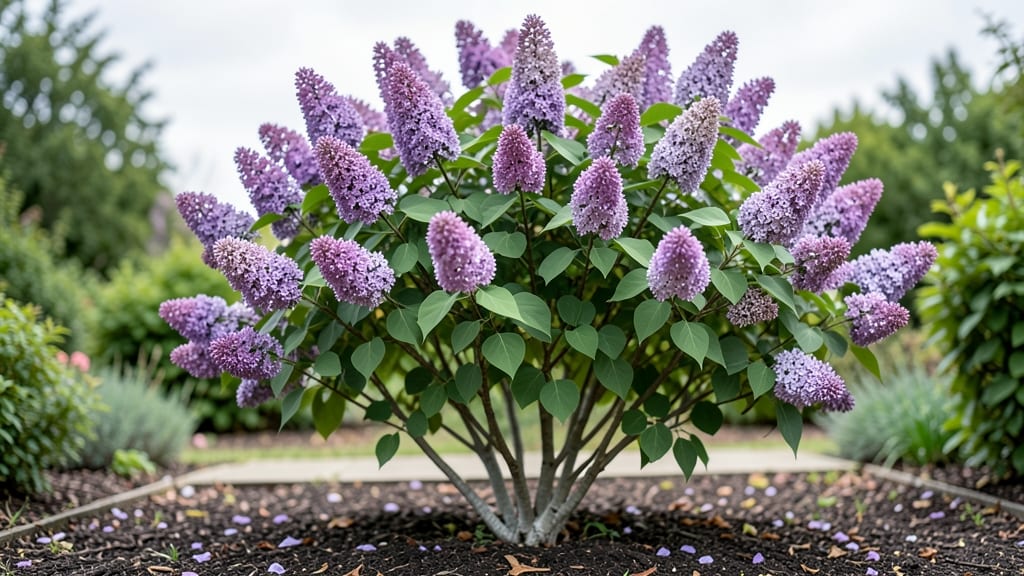
Ohio’s spring air becomes unforgettable when your lilac tree bursts into fragrant purple clouds. 🌸 I’ve watched my own lilacs transform from bare branches to blooming showstoppers—right through Ohio’s humid summers and frosty winters—by following a few key pruning secrets.
The best time to plant lilacs in Ohio is late fall or early spring, when the soil is workable but not frozen. Choose varieties like ‘Dwarf Korean’ or ‘Katherine Havemeyer’ for Ohio’s climate—they handle our humidity and pests better than fussy hybrids.
Once established, they thrive in full sun with well-draining soil, though they’ll tolerate partial shade if needed. Pruning after blooms fade (late June) keeps your lilac bushy and blooming vigorously next spring. Never cut back old wood—it’s where next year’s flowers form!
A sharp pair of pruners and a 10-minute cleanup after blooming is all it takes to maintain that showstopping display. Ohio gardeners also battle powdery mildew and borers, but proper spacing (3-5 feet apart) and regular inspections keep problems in check.
With the right care, your lilac will reward you with 2-3 weeks of perfume-filled blooms every spring.
📚 In This Guide
- What you need
- Instructions
- Tips and common mistakes
- Wrapping up and next steps
What you need
- ● Pruning shears: Bypass pruners (sharp, clean, and disinfected with rubbing alcohol or bleach solution). Quantity: 1 pair.
- ● Loppers: For thicker branches (1.5"–2" diameter). Quantity: 1 pair.
- ● Pruning saw: For stubborn, large branches (3"+ diameter). Quantity: 1.
- ● Gloves: Heavy-duty gardening gloves (cut-resistant for safety). Quantity: 1 pair.
- ● Disinfectant: 1-part bleach to 9 parts water (to sterilize tools between cuts).
- ● Rubbing alcohol (70%+ isopropyl): For quick tool sanitization.
- ○ Twine or zip ties: To secure large branches during removal (optional but helpful).
- ● Timing: Prune after flowering (late spring/early summer) or dormant season (late winter/early spring). Avoid pruning in fall—it encourages new growth that won’t harden off before frost.
- ● Weather: Choose a dry, overcast day (or early morning) to prevent sap bleeding and fungal risks.
- ○ Safety gear: Safety glasses (optional but recommended for debris-prone areas).
- ● Cleanup supplies: Heavy-duty trash bags (for debris) and a rake (to gather fallen branches).
- ● 🌡️ Watch for Ohio’s frost dates: Lilacs bloom early—prune after the last expected frost (typically mid-April in most of the state).
- ● ✨ Label your cuts: If removing multiple branches, mark them with flags or twine to avoid confusion.
- ● 🔥 Compost or chip: Large branches can be chipped for mulch; smaller debris makes great compost!
Instructions for pruning lilac trees in Ohio
Here's how to keep your Ohio lilac thriving with simple, seasonal pruning techniques.
✂️ Step 1: Prune Immediately After Spring Blooming
Cut back any dead or crossing branches first—they'll steal energy from your blooms. Use clean, sharp pruners to make cuts just above a leaf bud or outward-facing branch. I always prune right after flowers fade (around late May to early June in Ohio) because lilacs set next year's buds after blooming.
Never prune in fall or winter—you'll remove next spring's flowers. If you see any weak stems from last year's growth, trim them back to a strong branch. This keeps the tree's energy focused on producing those fragrant spring blooms Ohio gardeners love.
🌿 Step 2: Thin Out Overcrowded Branches
Look for branches growing inward toward the center of the tree—these create shade and invite pests. Remove about one-third of the oldest stems at ground level to encourage new growth. I target branches thicker than 1/2 inch first, since these are the most established.
Thinning improves air circulation and sunlight penetration, which means bigger, healthier blooms next season. You'll notice the center of the tree opens up, making future pruning easier. Just don't remove more than 25% of the canopy in one year—lilacs are tough but not indestructible.
⏰ Step 3: Shape the Tree for Better Bloom Display
Step back and look at your lilac's natural shape. Prune to create an open vase shape—this lets sunlight reach all the buds. Cut back some of the longer branches to 6-8 inches from the base to encourage bushier growth lower on the tree.
For multi-stem lilacs, prune each main stem individually. The goal is to maintain a balanced shape where you can see light all the way to the center. Avoid heavy pruning on young trees—let them establish their structure first. You'll see the difference in bloom quantity within 2-3 years of consistent pruning.
✂️ Step 4: Clean Up and Sterilize Tools
Wipe your pruners with rubbing alcohol between cuts to prevent spreading disease. Lilacs can be susceptible to powdery mildew, so clean tools are non-negotiable. I also collect all pruned branches and dispose of them properly—never leave them on the ground where they can harbor pests.
This is the moment that matters: after pruning, give your lilac a deep watering to help it recover. The roots will thank you by producing more vigorous growth next spring. Store your pruners in a dry place until next year's blooms appear.
Tips & tricks for pruning lilac trees in Ohio
Here's what nobody tells you about keeping your lilacs looking their absolute best—without sacrificing next year's blooms.
Timing is Everything: The window between late May and early June is critical because that's when lilacs set their buds for next spring. I've seen gardeners prune too early and miss the budding cycle entirely. Mark your calendar right after the last blooms fade—this is your cue to grab those pruners. If you're unsure, just check for dried-up flowers on the branches.
Branch Thickness Matters: When thinning those overcrowded branches in Step 2, focus on stems thicker than 1/2 inch first. These are the most established branches that can steal energy from your blooms. I learned this the hard way after removing too many thin branches and ending up with fewer flowers the next year. Think of it like decluttering your closet—remove the big items first to make room for what really matters.
Shape with Purpose: That open vase shape in Step 3 isn't just for looks—it's about sunlight access. I always visualize light streaming through the center of the tree when I prune. Cutting back longer branches to 6-8 inches creates that perfect balance. For multi-stem lilacs, treat each stem like its own little tree—prune them individually to maintain that natural shape.
Tool Care Saves Trees: Cleaning your pruners with rubbing alcohol between cuts might seem like overkill, but it's the difference between a healthy tree and one fighting powdery mildew. I keep a small bottle of alcohol in my gardening toolbox specifically for this purpose. Diseased branches can spread problems faster than you can say "Ohio spring rain."
Pro Tips for Lilac Tree Ohio
- Here's what nobody tells you about keeping your lilacs looking their absolute best—without sacrificing next year's blooms.
- Timing is Everything: The window between late May and early June is critical because that's when lilacs set their buds for next spring.
- Branch Thickness Matters: When thinning those overcrowded branches in Step 2, focus on stems thicker than 1/2 inch first.
Frequently asked questions
Got questions about growing and pruning lilac trees in Ohio?
Here are some of the most common ones—plus quick answers to help you keep your lilacs thriving!
When is the best time to prune lilac trees in Ohio?
Prune your lilac tree right after flowering (late May to early June in Ohio) to avoid cutting off next year’s blooms. This timing ensures healthy growth while preserving spring flowers. Avoid heavy pruning in fall or winter, as lilacs need time to harden off before dormancy.
How much can I trim back a mature lilac tree?
For mature lilacs, never remove more than 1/3 of the plant in a single year. Focus on shaping by trimming back to the first set of strong buds below the flower clusters. Over-pruning weakens the tree and reduces blooms. Use clean, sharp tools to avoid damaging branches.
Why aren’t my Ohio lilacs blooming this year?
Lilacs may skip blooms due to over-pruning, poor nutrition, or disease. Check for dead or crowded branches—thin them out. Feed with a balanced fertilizer in early spring and watch for pests like borers or powdery mildew. If the tree is young, give it patience—it may need 2–3 years to bloom fully.
Are there disease-resistant lilac varieties for Ohio’s climate?
Yes! Consider ‘Dwarf Korean’ (compact, mildew-resistant) or ‘Miss Kim’ (disease-tolerant and cold-hardy). For fragrant options, try ‘Katherine Havemeyer’ or ‘Purple Plume’, both of which handle Ohio’s humidity better than some traditional varieties.
How do I protect lilacs from Ohio’s harsh winters?
Lilacs are hardy (USDA Zones 3–7), but young trees benefit from mulch (3–4 inches around the base) to insulate roots. Avoid heavy pruning in late fall, as new growth is vulnerable to frost. If your area gets extreme wind, consider a light burlap wrap for young stems during winter.
Pro Tip:
If your lilac’s branches are woody and leggy, it’s a sign of under-pruning. Rejuvenate by cutting back 1/3 of the oldest stems to the ground in early spring—this encourages fresh, flower-filled growth!
Wrapping up and next steps
Growing a stunning lilac tree in Ohio is all about timing, technique, and a little love—and you’ve got the know-how now! 🌸 With the right pruning schedule, tools, and aftercare, your lilac will reward you with fragrant, show-stopping blooms year after year.
Whether you’re a seasoned gardener or just starting, every snip brings you closer to that dream springtime display.
Ready to transform your yard into a fragrant paradise? Grab your pruners, mark your calendar, and get to work! Next up: Watch your lilac thrive with consistent care—and maybe even share your blooms with neighbors. Happy pruning! 🌿✨