
Diseases
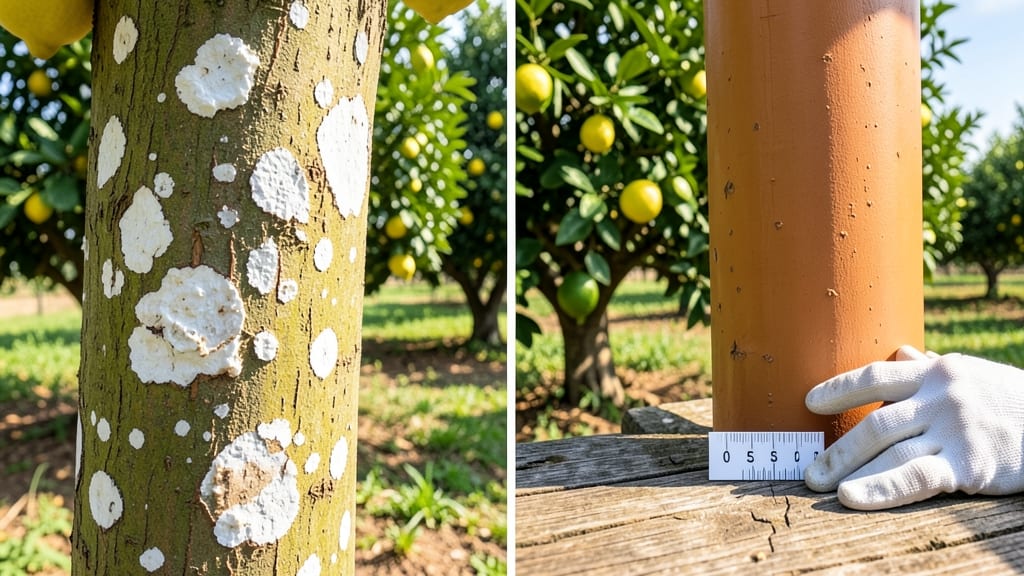
White spots creeping up your lemon tree trunk?
That’s your first warning sign of a fungal infection that could weaken—or worse, kill—your citrus tree if ignored. 🌿 I’ve battled this exact problem with my Meyer lemon, and what started as a few fuzzy patches turned into a full-blown crisis before I acted. The good news?
Most cases respond fast to the right treatment, but timing is everything.
Those white spots are rarely just dirt or sap—they’re usually powdery mildew, sooty mold, or even a bacterial infection hiding under the surface. The texture tells the story: fuzzy spots mean mildew, sticky residue signals sooty mold, while sunken areas could indicate a deeper rot.
My tree’s spots spread fastest after heavy watering, so I adjusted my routine immediately—cutting back to morning watering and adding a 6-inch mulch ring to keep the trunk dry.
Here’s the game-changer: a mix of neem oil spray (1 tsp per quart of water) and baking soda solution (1 tbsp baking soda + 1 quart water + a drop of dish soap) applied every 7 days until the spots vanish.
For severe cases, I switched to a copper fungicide—it’s stronger but works when organic methods stall. The key? Don’t let the spots turn brown or crack the bark, or you’re dealing with irreversible damage.
Prevention is where this gets easy: prune for airflow, avoid overhead watering, and inspect your tree weekly after rain. If the spots keep coming back or the bark starts oozing, call in a certified arborist—some infections need professional-grade tools.
My tree’s back to producing lemons like nothing happened, but I’m still vigilant. That’s the difference between a quick fix and a long-term cure.
Root Causes of White Spots
When your lemon tree’s trunk develops mysterious white spots, it’s rarely a coincidence—it’s a sign that something’s disrupting the bark’s natural balance. Understanding the why behind these spots is the first step to restoring your tree’s health.
Below, we break down the most common culprits, backed by science, so you can diagnose the issue with confidence.
Fungi are the most frequent offenders behind white spots on a lemon tree trunk. These microscopic organisms thrive in warm, humid conditions and often appear as powdery, chalky, or fuzzy patches. The two most common fungal culprits are:
- Powdery Mildew (Erysiphe spp.):
This fungus creates a white, talcum-powder-like coating on the bark, leaves, and even fruit. It weakens the tree by blocking sunlight and clogging pores, leading to stunted growth or leaf drop. Powdery mildew spreads via wind or splashing water, making it especially aggressive in shaded or poorly ventilated areas.
- White Mold (Sclerotinia or Botrytis spp.):
A less common but destructive fungus, white mold produces fluffy white growths that can spread rapidly, especially in moist environments. Unlike powdery mildew, it often appears as circular spots with a fuzzy texture and may produce tiny black sclerotia (hard, dark structures) as it matures.
🔬 Scientific Note: Fungi like these thrive when the bark’s pH is slightly alkaline (above 7.0) or when the tree is stressed from overwatering, poor drainage, or nutrient deficiencies. They penetrate the bark through microscopic wounds or natural openings like lenticels (tiny pores on the trunk).
Not all white spots are harmful! Lichen often mimics fungal infections with its crusty, white, gray, or greenish patches. But here’s the good news: lichen is a symbiotic organism (a partnership between fungi and algae or cyanobacteria) that doesn’t harm the tree—it just uses it for anchorage.
- How to Tell It Apart:
- Lichen grows slowly and is usually flat or slightly raised, not powdery.
- It doesn’t spread aggressively and often appears in irregular, patchy clusters.
- Scraping it off won’t reveal damaged bark underneath (unlike fungal infections).
- Why It Shows Up:
Lichen thrives in clean, stable environments with low pollution and high humidity. If your lemon tree is in a shaded, damp spot, you’re more likely to see it. While harmless, removing lichen can be unnecessary unless it’s obstructing sunlight or looks unsightly.
💡 Pro Tip: If you’re unsure whether the spots are lichen or fungus, gently scrape a small area with a sterile knife. Healthy bark underneath? Likely lichen. Dark, mushy, or discolored? Fungal infection—act fast!
If your lemon tree’s trunk is consistently damp (think: poor drainage, overhead watering, or shade), you might see slimy white or greenish spots—this is algae or moss hitching a ride. Unlike fungi, these don’t invade the bark but can still weaken the tree by:
- Creating a slippery surface that encourages pests (like scale insects).
- Blocking gas exchange through the bark, stressing the tree.
- Providing a moisture-rich environment for harmful pathogens to take hold.
🔍 Key Differences:
Feature
Algae
Moss
Fungus
Appearance
Slimy, often greenish-white, smooth
Velvety, soft, textured, can be white or gray
Powdery, fuzzy, or crusty
Texture
Slippery when wet
Sponge-like
Dry or damp but not slimy
Growth Rate
Fast in wet conditions
Moderate, spreads slowly
Variable (can spread quickly if untreated)
🌡️ Environmental Trigger: Algae and moss love high humidity (above 70%) and poor air circulation. If your tree is in a pot with no drainage holes or sits in a damp corner, these growths will flourish.
Sometimes, white spots aren’t the cause—they’re a symptom of underlying damage. Here’s how it happens:
- Insect Saliva and Honeydew:
Pests like scale insects, mealybugs, or aphids pierce the bark to feed on sap. Their sticky waste (honeydew) attracts sooty mold, a black or gray fungus that can appear white in early stages.
If you see white spots paired with black streaks or ants (which farm these pests), insects are likely the culprits.
- Sun Scald or Frost Damage:
Sudden temperature swings (e.g., cold nights followed by hot days) can cause the bark to crack or peel, exposing pale, dead tissue. This creates entry points for fungi or bacteria. Check for:
- White or silvery patches on sun-exposed sides of the trunk.
- Rough or blistered bark texture.
- Mechanical Injury:
Scrapes from tools, animal rubs, or even string ties left too tight can create wounds. If these aren’t treated, they turn white as the tree attempts to seal the damage—but this also makes it vulnerable to infections.
Revive Your Lemon Tree Naturally
White spots on your lemon tree’s trunk might seem alarming, but with the right approach, you can restore your tree’s health—and even prevent future outbreaks. Below are targeted solutions based on the most likely causes, along with easy-to-follow steps and prevention tips to keep your citrus tree thriving.
If the white spots are fuzzy, powdery, or slimy, a fungal or bacterial infection is likely the culprit. Act fast to stop the spread!
🔥 Step 1: Prune Infected Areas
- Use sterilized pruning shears (wipe with rubbing alcohol) to remove all branches, leaves, or bark with white spots.
- Cut at least 1 inch below the affected area to ensure you eliminate the infection source.
- Dispose of pruned material in a sealed bag—do not compost it!
🍳 Step 2: Apply Fungicide or Baking Soda Spray
Fungicides (like neem oil, copper fungicide, or sulfur-based sprays) are the most effective.
For a natural, budget-friendly option, try: - Baking soda spray: Mix 1 tsp baking soda + 1 tsp horticultural oil + 1 tsp mild soap per quart of water.
Spray every 7–10 days until the spots disappear. - Neem oil spray: Combine 1 tbsp neem oil + 1 tsp soap per gallon of water. Shake well and spray at dusk (avoid direct sunlight for 24 hours).
👨🍳 Step 3: Improve Air Circulation & Reduce Moisture
- Thin out dense foliage to allow airflow around the trunk.
- Water at the base (not overhead) to keep leaves dry.
- Avoid overhead irrigation—use drip irrigation or soaker hoses instead.
💡 Pro Tip:
🌡️ Monitor humidity—fungi love damp conditions. If your area is humid, space plants 3–5 feet apart and consider a small fan (on low) near the tree to improve airflow.
If the white spots are sticky, crusty, or waxy, scale insects (or their waste) may be the issue. These pests weaken the tree and create a haven for sooty mold.
🔪 Step 1: Scrape Off Waxy Coating
- Use a soft brush or cloth dipped in soapy water to gently scrub the trunk.
- For stubborn buildup, apply rubbing alcohol (70% isopropyl) on a cotton ball and wipe away residue.
🥘 Step 2: Apply Insecticidal Soap or Horticultural Oil
- Insecticidal soap: Mix 1.5 tbsp liquid castile soap per gallon of water. Spray directly on infested areas (reapply every 5–7 days).
- Horticultural oil: Use dormant oil spray (available at garden centers) to suffocate scale insects.
Apply in early spring or fall when temperatures are below 85°F (29°C).
⏰ Step 3: Introduce Natural Predators
- Ladybugs and lacewings feed on scale insects. Purchase them from a garden center or attract them with native plants like dill or yarrow.
✨ Prevention Tip:
🎯 Inspect new plants before bringing them home—scale insects often hitch a ride on nursery stock.
Once the immediate issue is resolved, prevent recurrence with these long-term strategies:
| Cause | Prevention Action | Frequency |
|---|---|---|
| Fungal spores | Apply preventative fungicide (neem oil) | Every 4–6 weeks in wet seasons |
| Scale insects | Inspect trunk monthly for early signs | Year-round (especially spring/fall) |
| Poor air circulation | Prune regularly to keep branches spaced | Twice a year (spring & summer) |
| Overwatering | Check soil moisture before watering | Only when top 1–2 inches are dry |
💡 Extra Care Tips:
- Seal the trunk (if cracks are present) with pruning sealant to prevent fungal entry.
- Mulch properly—keep mulch 3–4 inches away from the trunk to avoid moisture buildup.
- Avoid physical damage—use tree wraps if rabbits or rodents are chewing the bark.
By following these cause-specific fixes, your lemon tree should recover within 4–8 weeks. Stay vigilant, and your citrus tree will stay healthy, spot-free, and fruitful! 🍋✨
Frequently asked questions about lemon tree trunk spots
Are white spots on my lemon tree trunk always dangerous?
Not always! While powdery mildew or sooty mold are common threats, white spots could also be harmless lichen or algae. Lichen appears flat and patchy, while algae feels slimy. Scrape a small area—if the bark underneath looks healthy, it’s likely non-threatening. But if you see fuzzy growth or black streaks, act fast to prevent spread.
How do I know if my lemon tree has powdery mildew vs. sooty mold?
Powdery mildew looks like white talcum powder and spreads across leaves/bark, while sooty mold appears as black, sticky residue. Check for pests first—sooty mold thrives on honeydew from scale insects. If you see ants or waxy bugs, treat for insects before applying fungicide.
Can I use vinegar to treat white spots on my lemon tree?
White vinegar (1:1 water ratio) can help for fungal spots, but use it carefully! Spray only the affected areas (not leaves) and rinse after 1 hour to prevent leaf burn. For trunk treatment, apply in early morning on dry bark. Repeat every 7 days until spots disappear, but avoid this method if your tree has open wounds.
Why do my lemon tree's white spots keep coming back?
Persistent spots usually mean underlying issues like poor drainage, overwatering, or pest reinfestation. Check your watering habits—lemon trees hate soggy roots. Also, inspect for scale insects (they leave sticky residue). After treating, apply neem oil preventatively every 4-6 weeks during humid seasons.
When should I call a professional for my lemon tree?
Consult an arborist if: the spots turn brown/crack the bark, your tree shows wilting or leaf drop, or home treatments fail after 4 weeks. Severe cases may need systemic fungicides or bark sealing. For potted lemon trees, root rot could be the hidden cause—check for foul smells or mushy roots.