
Trees
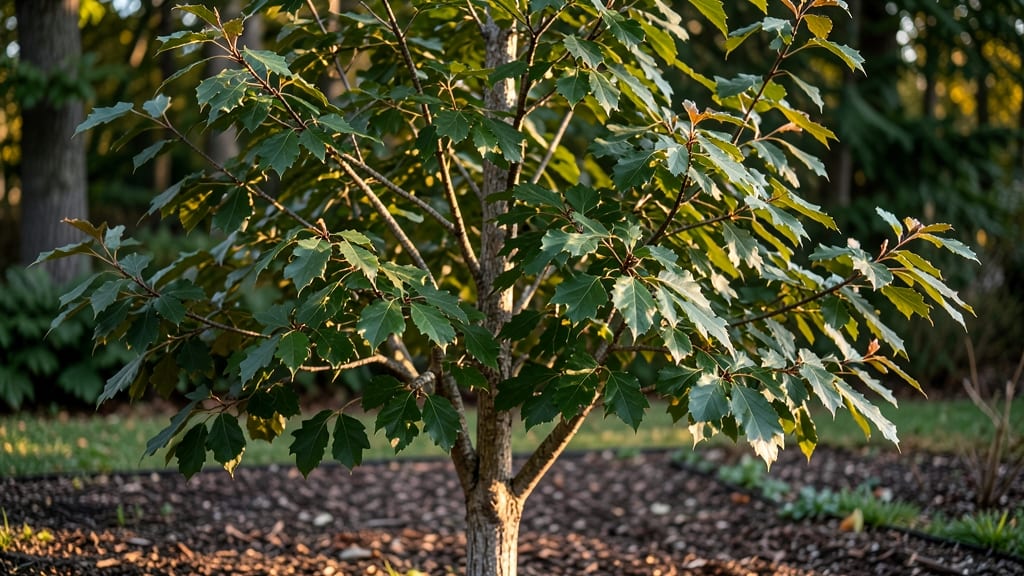
Japanese elm tree leaves stay lush and elegant with almost no pruning—until you spot the first signs of stress. 🌿 I’ve watched mine resist pests, drought, and even fungal infections better than any other shade tree in my yard, but even the toughest plants need help when their leaves start yellowing or curling unexpectedly.
The secret lies in recognizing early symptoms: black spots from fungal infections, chewed edges from beetles, or wilting from environmental stress. With simple organic treatments and preventive care, you’ll keep those glossy leaves thriving all year—no heavy pruning required. Let’s tackle the most common issues before they take over.
📚 In This Guide
- What you need
- Instructions
- Tips and common mistakes
- Wrapping up and next steps
What you need
- ● Pruning shears or loppers – Bypass-style (for clean cuts), 6–8" blades (for small branches) or 10–12" (for thicker limbs). Sterilize with rubbing alcohol before/after use!
- ● Gloves – Heavy-duty, gardening-grade (nitrile or leather) to protect from thorns and sap.
- ● Pruning saw – Curved-tooth (for branches >1" thick). A folding saw is ideal for hard-to-reach spots.
- ● Disposable pruning bags – 1–2 heavy-duty bags (10–20 gallon capacity) to collect fallen leaves/debris.
- ○ Tree pruning sealant – Optional but recommended for cuts >½" to prevent disease (e.g., Tanglefoot Tree Wound Pruning Seal).
- ● Watering can or hose – With a gentle spray nozzle (Japanese elms prefer deep but infrequent watering).
- ● Balanced fertilizer – Slow-release, 10-10-10 or 8-3-9 ratio (e.g., Espoma Tree-Tone). Apply 2–3 times/year.
- ● Mulch – Organic (shredded bark or pine straw), 2–3" layer kept 6" away from the trunk.
- ● Extension pole – For high branches (10–15 ft reach).
- ● Leaf blower – To clear debris from the base without damaging roots.
- ● Soil pH test kit – Japanese elms prefer slightly acidic to neutral soil (pH 6.0–7.5).
- ● Pest monitor traps – If aphids or scale insects are a concern (e.g., yellow sticky traps).
- ● Safety goggles – For dusty pruning sessions.
How to maintain Japanese elm tree leaves for year-round beauty
Japanese elms reward patience with lush, glossy foliage that stays vibrant with just a few simple care steps.
🌿 Step 1: Choose the Right Location for Planting
Japanese elms thrive in full sun to partial shade, making them perfect for city streets or backyard planting. Look for a spot with at least 4-6 hours of direct sunlight daily—this ensures the leaves develop their signature deep green color and fine texture. I always check the mature height of the tree (typically 30-40 feet) and plant it where it won’t crowd power lines or nearby structures.
Test the soil by digging a 12-inch hole—if it’s heavy clay, amend it with 2-3 inches of compost to improve drainage. Japanese elms tolerate a wide range of soil types but perform best in well-draining, slightly acidic soil with a pH between 6.0 and 7.5. You’ll know the location is right when the tree’s branches fill out evenly and leaves stay attached through winter.
✂️ Step 2: Prune for Shape and Health in Late Winter
Prune Japanese elms in late winter or early spring, just before new growth begins. This timing ensures you remove dead or crossing branches without disrupting the tree’s natural energy flow. Start by removing any branches that are dead, diseased, or rubbing against each other—these are the first signs of trouble. Use clean, sharp pruning shears to make cuts just outside the branch collar (the swollen area where the branch meets the trunk).
Shape the tree by thinning out crowded branches from the inside to improve air circulation. Japanese elms naturally grow with a vase-like shape, so I focus on maintaining that form while removing no more than 25% of the foliage at once. Avoid heavy pruning—this tree’s beauty lies in its delicate, layered branches, not thick, bushy growth. You’ll see fresh, vibrant leaves emerge within 2-3 weeks of pruning, signaling the tree is recovering well.
💧 Step 3: Water Deeply but Infrequently
Japanese elms are drought-tolerant once established, but young trees need consistent moisture to develop strong roots. Water deeply once a week during the first growing season, applying enough to soak the soil 12-18 inches down. You’ll know you’ve watered enough when the soil feels moist at that depth—stick your finger in to check. Overwatering is a common mistake; soggy soil leads to root rot, which weakens the tree and causes leaves to yellow or drop prematurely.
After the first year, reduce watering to every 2-3 weeks, unless your area experiences extreme heat or drought. Mature trees rarely need supplemental water unless the ground is bone-dry. Mulch around the base with 2-3 inches of organic mulch (like wood chips) to retain moisture and regulate soil temperature. Keep the mulch 6 inches away from the trunk to prevent rot.
☀️ Step 4: Monitor for Pests and Disease Year-Round
Japanese elms are relatively pest-resistant, but watch for signs of elm leaf beetles or Japanese beetles, which can skeletonize leaves. Inspect the undersides of leaves weekly during growing season—tiny holes or chewed edges are your first warning. If you spot pests, spray with a neem oil solution (1 tablespoon per gallon of water) in the early morning or evening to avoid harming beneficial insects. Repeat every 5-7 days until the pests disappear.
Fungal diseases like powdery mildew may appear as white, powdery spots on leaves, especially in humid conditions. Improve airflow by pruning crowded branches and avoid overhead watering. If mildew appears, treat with a baking soda spray (1 tablespoon baking soda + 1 teaspoon dish soap + 1 gallon water) applied every 10 days until the problem clears. Healthy leaves should stay glossy and free of spots throughout the season.
⏰ Step 5: Prepare for Winter Dormancy
Japanese elms are cold-hardy and retain some leaves through winter, but their foliage may turn brown as temperatures drop. Rake up fallen leaves in late fall to prevent fungal diseases from overwintering in the debris. Prune any dead or broken branches before the first frost to keep the tree looking tidy. Avoid heavy pruning in winter—this stresses the tree when it’s already conserving energy for spring growth.
If your tree loses all its leaves in winter, don’t panic—this is normal. Focus on keeping the root zone moist (but not soggy) during dry winter spells. In early spring, fertilize lightly with a balanced, slow-release fertilizer (10-10-10 ratio) to support new growth. You’ll see fresh, vibrant leaves emerge in 4-6 weeks, signaling the tree is ready for another season of elegance.
Tips & tricks for perfect Japanese elm tree maintenance
Keeping those signature leaves lush year-round takes just a few smart strategies—here's what I've learned after years of watching my elms thrive.
Sunlight Secret: That 4-6 hours of daily sunlight is non-negotiable for those signature deep green leaves. If your tree's leaves start looking dull or sparse, it's probably not getting enough light. I've seen trees in partial shade develop leaves that yellow prematurely—move it to a sunnier spot if you notice this. The key is morning sun exposure, which helps prevent fungal issues that love damp foliage.
Pruning Precision: When you're pruning in late winter, focus on removing branches that cross each other first—these create weak points where pests can enter. I always make my cuts just outside the branch collar, and I never remove more than 25% of the foliage at once. This keeps the tree's natural vase shape intact while preventing shock. The 2-3 week recovery time mentioned is when you'll see the real magic—the new growth comes in vibrant and healthy.
Watering Wisdom: The deep watering technique is crucial—those 12-18 inches of moisture penetration encourage deep root growth. I use a soil probe to check moisture levels before watering, and I've found that young trees need this weekly watering for their first year. After that, I let the soil dry out more between waterings. The mulch ring you create should stay 6 inches from the trunk to prevent rot—this is where many people go wrong and end up with fungal issues.
Pest Prevention: Those weekly leaf inspections during growing season really pay off. I've caught elm leaf beetles early by checking the undersides of leaves, and treating them immediately with neem oil saved my tree from significant damage. The baking soda spray for powdery mildew is my go-to—it's gentle on the tree but tough on the fungus. Remember to apply it in the evening when beneficial insects are less active to avoid harming them.
Pro Tips for Japanese Elm Tree Leaves
- Keeping those signature leaves lush year-round takes just a few smart strategies—here's what I've learned after years of watching my elms thrive.
- Sunlight Secret: That 4-6 hours of daily sunlight is non-negotiable for those signature deep green leaves.
- Pruning Precision: When you're pruning in late winter, focus on removing branches that cross each other first—these create weak points where pests can enter.
Frequently asked questions
about Japanese Elm tree leaves—because even the most elegant trees have curious caretakers! Here’s what you’ve been wondering:How often do Japanese Elm tree leaves change color?
The Ulmus parvifolia typically keeps its glossy, deep-green leaves year-round in warmer climates (USDA Zones 7-9). However, in colder regions, leaves may turn yellow or brown in winter before dropping. For vibrant foliage, plant in full sun and well-drained soil—consistency is key!
Do Japanese Elm leaves need frequent pruning?
Not at all! This tree thrives with minimal pruning—just remove dead or crossing branches every 2–3 years. Prune in late winter or early spring to avoid stressing the tree. Pro tip: Use sharp tools and seal cuts with pruning sealant to prevent disease.
Can I use Japanese Elm leaves for mulch or compost?
Yes! While not as nutrient-rich as hardwood mulch, their fine texture works well for garden beds. For compost, chop leaves into smaller pieces first—they break down faster. Avoid overloading compost piles, as they decompose slowly.
Why are my Japanese Elm leaves turning yellow or spotted?
Yellowing or spots often signal elm leaf beetles or fungal issues (like anthracnose). Treat with neem oil or insecticidal soap for pests, and ensure proper airflow. If spots persist, test soil pH—aim for 6.0–7.5. Act fast!
What’s a good alternative if I want similar leaves but less maintenance?
Consider the Chinese Elm (Ulmus parvifolia ‘Laceleaf’) or Siberian Elm—both have similar glossy leaves and drought tolerance. For a non-Elm option, try the Ginkgo tree (resistant to pests) or Crape Myrtle (colorful blooms + low-maintenance leaves).
Wrapping up and next steps
The Japanese elm tree stands out as a low-maintenance yet stunning addition to any landscape, offering year-round beauty with its elegant, glossy leaves and graceful form.
Whether you love its seasonal color shifts or its resilience in various climates, this tree delivers effortless charm with minimal pruning—making it perfect for both beginners and seasoned gardeners. Ready to elevate your outdoor space? Plant one today and enjoy its timeless appeal for decades to come! 🌿✨