
Trees
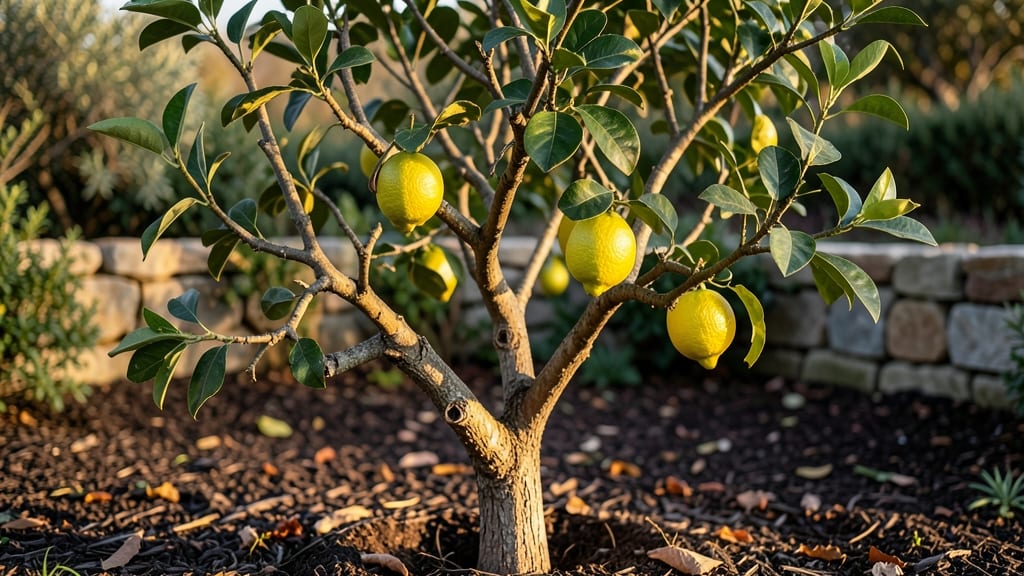
If your lemon tree is losing leaves in winter, don’t panic—it’s just dormant, and a few simple tweaks can bring back that glossy green come spring. 🌿 I’ve nursed back more than one sad-looking citrus tree with just water adjustments, frost protection, and a little patience, and you can too.
The key is understanding whether those leaves are falling due to cold stress, overwatering, or pests—each fix is different. Yellowing leaves? Likely overwatering. Brown, crispy edges? Probably frost damage. Start by checking the soil moisture and wrapping the trunk in burlap if temps dip below 25°F.
With the right care, your tree will bounce back stronger than ever—just give it time. The first flush of new growth in early spring is worth every effort, and you’ll be back to harvesting bright, juicy lemons before you know it.
📚 In This Guide
- What you need
- Instructions
- Tips and common mistakes
- Wrapping up and next steps
What you need
- ● Pruning shears – Sharp, clean, and sterilized (rubbing alcohol or bleach wipe works!). Choose bypass pruners for precision cuts.
- ● Gloves – Heavy-duty gardening gloves (nitrile-coated for durability) to protect against thorns and sap.
- ○ Pruning saw (optional but helpful) – For thicker branches that pruners can’t handle.
- ● Disinfectant – 1 part bleach to 9 parts water (for sterilizing tools between cuts).
- ● pH testing kit – Digital or liquid test strips to check soil acidity (ideal range: 6.0–7.0 for lemons).
- ○ Citrus-specific fertilizer – Look for a balanced NPK (e.g., 6-6-6 or 8-3-9) with micronutrients like iron and zinc. Optional: Slow-release granules or liquid feed.
- ● Mulch – Organic options like pine bark, straw, or compost (2–3 inches thick). Avoid fresh wood chips.
- ● Watering can or hose with nozzle – A gentle rain setting to avoid damaging roots.
- ○ Thermometer (optional) – To monitor temperature swings (lemon trees prefer 60–85°F).
- ● 🔥 Sterilize first! – Dirty tools spread disease. Wipe blades with rubbing alcohol or bleach solution before and after use.
- ● 🌡️ Check humidity – If your home is dry (common with indoor lemon trees), grab a humidifier or pebble tray to mimic winter moisture.
- ● ✨ Light check – Ensure your tree gets 6–8 hours of bright light daily (grow lights work in emergencies!).
- ● Identify if your lemon tree is indoor or outdoor—this changes care steps!
- ● Assess the severity of leaf loss (spotty vs. widespread) to prioritize fixes.
- ● Know your tree’s age and variety (e.g., Meyer vs. Eureka)—young trees handle stress differently.
How to revive a lemon tree dropping leaves in winter
Here's the straightforward approach I've used to nurse back citrus trees—no complicated steps, just smart adjustments.
🌿 Step 1: Check and Adjust Watering Habits
Winter dormancy means your lemon tree needs far less water—often just enough to keep the soil from drying completely. Stick your finger 2 inches deep into the soil; if it feels dry, water lightly until moisture reaches that depth. Overwatering in cool weather suffocates roots and triggers leaf drop.
I move the pot to a saucer with ½ inch of pebbles to catch excess water. This prevents soggy soil while still allowing roots to breathe. Watch for yellowing leaves—this is your signal to cut back immediately. A healthy winter watering schedule keeps soil slightly moist but never soggy.
☀️ Step 2: Optimize Light Exposure Without Direct Sun
Lemon trees need bright, indirect light in winter—no harsh midday sun. Place your tree near a south-facing window where it gets 4-6 hours of gentle sunlight daily. If leaves start curling or turning brown, it's getting too much direct light.
I rotate the pot quarter-turn weekly so all sides get even exposure. Artificial grow lights work well if natural light is weak—position them 12-18 inches away for 12-14 hours daily. You'll notice new growth within 3-4 weeks if light conditions improve.
💧 Step 3: Monitor Temperature and Humidity
Keep your lemon tree in a space where temperatures stay between 55-70°F—never below 50°F. Drafty windows, AC vents, or heaters can shock the tree and cause leaf loss. I place mine on a stable table away from walls to avoid temperature swings.
Boost humidity by grouping the pot with other plants or using a pebble tray with water beneath it. Mist the leaves 2-3 times weekly with room-temperature water—just enough to mimic a light dew. You'll see leaves perk up within 1-2 weeks if humidity improves.
✂️ Step 4: Prune Strategically to Encourage New Growth
Remove only the brown or damaged leaves—never healthy ones. Use sterilized pruners to trim at a 45-degree angle just above a leaf node. This prevents disease and encourages fresh foliage.
I avoid heavy pruning in winter unless absolutely necessary—citrus trees are sensitive. Focus on shaping the canopy to improve airflow. After pruning, wipe down the leaves with a damp cloth to remove dust, which helps the tree absorb light more efficiently.
🌱 Step 5: Fertilize Lightly to Support Recovery
Hold off on fertilizer until early spring—winter is a resting period. If you must feed, use a balanced citrus fertilizer diluted to half strength. Over-fertilizing in winter burns roots and stresses the tree, worsening leaf drop.
I wait until new growth appears before resuming regular feeding. A light application of Epsom salt (1 tablespoon per gallon of water) every 4-6 weeks in spring helps replenish magnesium, which citrus trees often lack after winter stress.
Tips & tricks for reviving a lemon tree in winter
Here's what nobody tells you—small adjustments make all the difference when rescuing your citrus tree.
Watering Wisdom: The 2-inch soil check in Step 1 is your best friend. Use a wooden skewer instead of your finger—it's cleaner and gives you a more precise reading. I've found that morning watering prevents fungal issues from overnight moisture buildup. If your tree is in a plastic pot, water slightly less often since plastic holds moisture longer than terracotta.
Lighting Secret: For the 4-6 hours of gentle sunlight in Step 2, position your tree within 3 feet of the window. I notice new growth appears faster when the tree gets morning sun (east-facing window) rather than afternoon sun. If using grow lights, LED bulbs with a color temperature of 6500K mimic natural sunlight best—just don't let them get closer than 12 inches to avoid leaf burn.
Temperature Troubleshooting: The 55-70°F range in Step 3 is crucial—citrus trees can't handle sudden temperature swings. I place mine near an interior wall where the thermostat is located to maintain consistent temps. If you notice leaves curling at night, it's likely too cold—move the tree away from drafty windows or doors immediately.
Pruning Precision: When shaping the canopy in Step 4, focus on opening up the center where air circulates poorly. I use a small handheld fan on low setting near the tree for 10 minutes daily during winter—this mimics natural airflow and helps prevent fungal diseases that cause leaf drop. Always clean your pruners with rubbing alcohol between cuts to prevent spreading any potential infections.
Pro Tips for Lemon Tree Losing Leaves In Winter
- Here's what nobody tells you—small adjustments make all the difference when rescuing your citrus tree.
- Watering Wisdom: The 2-inch soil check in Step 1 is your best friend. Use a wooden skewer instead of your finger—it's...
- Lighting Secret: For the 4-6 hours of gentle sunlight in Step 2, position your tree within 3 feet of the window. I no...
Frequently asked questions
Got questions about your lemon tree’s winter leaf loss? You’re not alone! Here are answers to the most common concerns—so you can keep your citrus queen thriving even in the chillier months.
Why does my lemon tree lose leaves in winter even if it’s indoors?
Even indoor lemon trees shed leaves in winter due to natural dormancy or stress from low light, dry air, or temperature fluctuations. While they’re not as dramatic as outdoor trees, sudden drops (below 50°F/10°C) or drafts can trigger it. Keep them near a sunny window and use a humidifier if the air feels dry. Pro tip: If leaves drop slowly, it’s likely normal—just avoid overwatering!
Is it too late to save my lemon tree if it’s already lost most of its leaves?
Not necessarily! If the tree is still alive (check by gently scraping the bark—green underneath means it’s okay), you can revive it with consistent care. Prune dead branches, adjust watering (let soil dry slightly between waterings), and fertilize lightly in early spring. Avoid heavy pruning now—wait until new growth appears. Key: Patience is critical; new leaves may take 4–6 weeks to sprout.
Should I fertilize a lemon tree in winter when it’s losing leaves?
Nope! Winter is not the time to fertilize—it stresses the tree further. Hold off until early spring (Feb–March in most climates) when new growth starts. Use a balanced citrus fertilizer (like 6-6-6) sparingly—overdoing it can burn roots. Alternative: Boost soil health with compost in spring instead.
Can I move my lemon tree outside in winter if it’s in a pot?
Only if you’re in a mild-winter zone (USDA zones 9–11) with temps above 30°F (-1°C). For colder areas, keep it indoors near a bright window or under grow lights. If you must move it outside, choose a sheltered spot (like a garage or patio) and wrap the pot in bubble wrap to insulate roots. Warning: Sudden cold snaps can shock the tree—avoid this unless you’re prepared for quick indoor relocations.
How can I tell if my lemon tree is dying vs. just dormant?
Use this quick checklist:
- Dormant: Some leaves remain, branches are firm, and the tree is slow-growing but alive.
- Dying: All leaves drop, branches feel mushy or hollow, or the bark is cracked/slimy. Root rot (black, foul-smelling soil) or pests (like aphids) are red flags.
Wrapping up and next steps
Don’t let winter stress dim your lemon tree’s potential! 🌿 While leaf loss in cold months is often natural, small adjustments—like proper watering, mulching, and winter care—can help it bounce back stronger. Remember, patience is key: your tree is simply resting for spring’s vibrant comeback.
Ready to give your citrus friend a fighting chance? Start with one fix today—whether it’s adjusting watering or shielding it from drafts—and watch your lemon tree thrive when warmer weather returns. 🌱✨