
Container Gardens
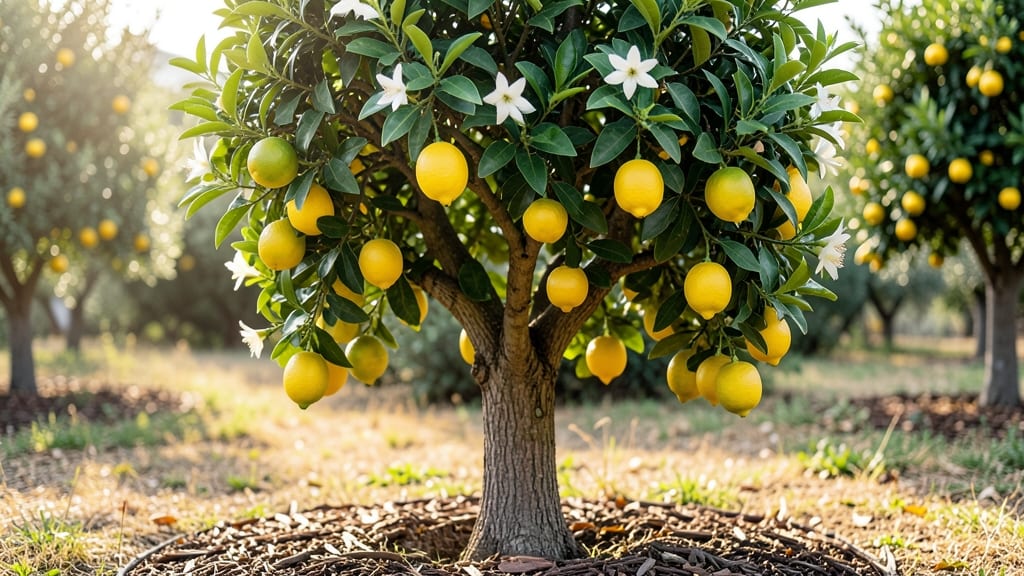
Your lemon tree growing conditions start with sunlight and drought tolerance—the two non-negotiables that turn a sad potted plant into a fragrant, fruit-bearing treasure. 🌞 I’ve watched my Meyer lemon tree go from a sad, leggy sapling to a productive powerhouse by mastering these basics, and I’ll show you how to skip the trial-and-error phase.
The magic happens with 6-8 hours of direct sun daily and soil that drains like a sieve—think sandy loam mixed with perlite or pumice. Too much water? Root rot. Too little? Drooping leaves.
The key is consistent moisture without soggy soil, and a humidity boost in dry climates keeps those glossy leaves happy. By summer’s end, you’ll be harvesting lemons that smell like childhood memories—bright, tart, and impossible to resist.
The tree stays compact, productive, and surprisingly resilient once you nail the balance of sun, water, and occasional pruning to shape its growth. Works for containers or in-ground plantings, even in warmer climates where frost isn’t a threat. Let’s get those roots thriving!
📚 In This Guide
- What you need
- Instructions
- Tips and common mistakes
- Wrapping up and next steps
What you need
- ● Lemon Tree Seedling or Bare-Root Plant: 1 dwarf variety (e.g., Meyer lemon or Eureka lemon) for containers (5–10 gallons).
- ● 1 standard-size tree (if planting in-ground, spaced 15–20 ft apart).
- ● Container (if applicable): 1–2 large pots (10–15 gallons) with drainage holes.
- ○ Optional: Self-watering planter for drought-prone climates.
- ● Well-Draining Soil Mix: 50% cactus/succulent mix (for aeration).
- ● 30% compost (for nutrients).
- ● 20% perlite or coarse sand (to prevent root rot).
- ● Fertilizer: Slow-release citrus fertilizer (e.g., 6-6-6 NPK ratio).
- ○ Optional: Liquid seaweed extract (for micronutrients).
- ● Mulch (e.g., straw or wood chips) to retain moisture.
- ● Drip irrigation system or hose with a gentle spray nozzle.
- ● Pruning shears (sterilized) for shaping and maintenance.
- ● Citrus-specific pest control (e.g., neem oil or insecticidal soap).
- ● Sunlight meter (to check for optimal 6+ hours of direct sun).
Step-by-step guide to perfect lemon tree growing conditions
Here’s how to create the ideal environment for a thriving citrus tree—sun, soil, and smart watering secrets included.
☀️ Step 1: Position for Full Sun Exposure
Lemon trees demand 6-8 hours of direct sunlight daily. A south-facing window or patio works indoors, but outdoor trees need at least 6 hours of unfiltered sun—even in cooler climates. I’ve seen trees languish in east-facing spots with only morning light; they’ll grow slowly and produce sparse fruit.
If your space lacks natural light, supplement with a 14-hour photoperiod grow light positioned 12-18 inches above the tree. Move the light closer as the tree grows to maintain consistent intensity. Watch for leaves stretching toward the light—this “etiolation” signals insufficient light.
🌱 Step 2: Use Well-Draining, Slightly Acidic Soil
Citrus roots rot easily in soggy soil, so mix 60% potting soil with 30% perlite or pumice and 10% compost for aeration and nutrients. The ideal pH is 6.0-7.0—test your mix with a soil pH meter before planting. I’ve amended heavy garden soil with coarse sand to prevent compaction.
Plant in a container with drainage holes if growing indoors, or choose a protected outdoor spot where water drains freely. Lemon trees hate “wet feet,” so ensure excess water escapes within 30 minutes of watering. Yellowing leaves often signal overwatering or poor drainage.
💧 Step 3: Water Deeply but Infrequently
Water when the top 2-3 inches of soil feel dry—stick your finger in to check. A mature tree needs 1-2 gallons per week in warm weather, but adjust for humidity and container size. I water mine at the base in the morning to reduce evaporation and fungal risks.
Never let the tree sit in standing water. Citrus trees are surprisingly drought-tolerant once established—underwatering is far riskier than occasional dry spells. Brown leaf edges usually mean overwatering, while crispy leaves signal thirst.
✂️ Step 4: Prune for Airflow and Shape
Prune in late winter or early spring to remove dead wood and shape the tree. Use sterilized shears to cut just above a leaf node at a 45-degree angle. I prune mine to encourage an open canopy—this prevents fungal diseases by improving airflow. Avoid heavy pruning in summer, as new growth won’t harden off before cooler weather.
Thin out crowded branches to reduce competition for sunlight and nutrients. A well-pruned tree produces more fruit and looks fuller. Watch for “water sprouts” (shoots growing straight up)—these sap energy from fruit production and should be removed immediately.
🌿 Step 5: Fertilize for Optimal Fruit Production
Feed with a balanced citrus fertilizer (6-6-6 or 8-8-8) every 4-6 weeks during growing season (spring through fall). I halve the recommended dose for young trees to avoid burning roots. Citrus trees need micronutrients like zinc and iron—yellowing between leaf veins often signals iron deficiency.
Apply fertilizer to moist soil and water deeply afterward to distribute nutrients. Avoid high-nitrogen fertilizers in summer, as they promote leafy growth at the expense of fruit. A mature tree may need 1-2 pounds of fertilizer per year, but always follow package guidelines.
Tips & tricks for perfect lemon tree care
Here's what nobody tells you about keeping your citrus tree thriving year-round—lessons I learned after watching three trees wither from common mistakes.
Lighting Strategy: If you're supplementing with grow lights, invest in a timer to automate the 14-hour photoperiod. I use a simple $20 outlet timer that turns lights on at 7 AM and off at 9 PM daily—no guesswork, no burnt-out bulbs. Position your light 12-18 inches above the tree's tallest point, and adjust as it grows. The key is consistency: citrus trees need predictable light cycles to set fruit properly.
Soil Mix Secrets: For containers, I add a handful of coarse horticultural sand to my 60/30/10 mix when repotting—this prevents compaction over time. Test your soil pH every 6 months, especially if you're using tap water (many municipal supplies are alkaline). If your mix tests above 7.0, add a bit of elemental sulfur to lower the pH gradually. Remember, citrus roots need oxygen as much as water.
Watering Wisdom: The "top 2-3 inches dry" rule works, but here's the trick: use a moisture meter for accuracy. I've caught myself overwatering when the soil felt dry at the surface but was still damp deeper down. For potted trees, weigh the container—if it's noticeably lighter than when fully moist, that's your watering cue. And always water at soil level, never on leaves, to prevent fungal diseases.
Pruning Precision: When shaping your tree in Step 4, focus on creating an "open vase" shape—this allows sunlight to penetrate all the way to the center where fruit forms. I like to remove branches that grow straight up (water sprouts) first, as these compete with fruit production. Sterilize your shears with rubbing alcohol between cuts to prevent spreading diseases between branches.
Pro Tips for Lemon Tree Growing Conditions
- Here's what nobody tells you about keeping your citrus tree thriving year-round—lessons I learned after watching three trees wither from common mistakes.
- Lighting Strategy: If you're supplementing with grow lights, invest in a timer to automate the 14-hour photoperiod.
- Soil Mix Secrets: For containers, I add a handful of coarse horticultural sand to my 60/30/10 mix when repotting—this prevents compaction over time.
Frequently asked questions
Got questions about growing lemon trees in containers? You’re not alone!
Here are answers to the most common concerns—from sunlight needs to troubleshooting pests—so you can keep your citrus thriving with ease.
How much sunlight does a lemon tree need in a container?
A lemon tree loves sunlight—aim for 6 to 8 hours of direct light daily. In containers, place it near a south- or west-facing window or use grow lights in winter. Without enough light, leaves turn yellow, and fruit production drops. Pro tip: Rotate the pot occasionally for even growth!
How long does it take for a lemon tree to bear fruit in a container?
Patience is key! Dwarf varieties (like ‘Meyer’ lemons) may produce fruit in 2–3 years, while standard trees take 3–5 years. Factors like sunlight, soil quality, and fertilizer (high in nitrogen first, then potassium/phosphorus) speed up fruiting. Bonus: Hand-pollinate flowers with a soft brush for extra help!
Why are my lemon tree leaves turning yellow?
Yellow leaves usually signal overwatering, underwatering, or nutrient deficiencies. Check the soil—it should be lightly moist but not soggy. Yellowing lower leaves? Normal aging. Bright yellow with brown spots? Fungal issues (like root rot) or over-fertilizing. Adjust care and prune affected leaves.
What pests should I watch for in container-grown lemon trees?
Common culprits include aphids, spider mites, and scale insects. Inspect leaves regularly—pests love tender new growth! Fix it: Spray with neem oil or insecticidal soap, or blast pests off with water. For severe infestations, repeat treatment weekly. Prevent: Keep trees healthy with balanced fertilizer!
Can lemon trees survive winter in containers?
Yes! Most dwarf varieties tolerate down to 20°F (-7°C), but protect them from frost. Move pots to a garage or insulated porch (not freezing!) or wrap the container in bubble wrap. Avoid sudden temperature swings. Indoor tip: Place near a sunny window and reduce watering—overwatering in cold drafts stresses roots.
What can I plant with lemon trees in containers for companion benefits?
Pair lemon trees with herbs like basil or rosemary (they repel pests!) or marigolds (natural pest deterrents). Avoid competitive plants like mint or deep-rooted veggies. Stick to shallow-rooted companions in the same pot or nearby containers. Teamwork: Herbs also thrive in Mediterranean-style pots!
Wrapping up and next steps
Growing a lemon tree thrives on sunlight, well-draining soil, and patience—but the rewards are oh-so-sweet! 🍋 With the right container, watering routine, and a dash of love, you’ll soon enjoy fresh lemons straight from your balcony or patio.
Whether you’re a seasoned gardener or a beginner, these growing conditions make it totally doable.
Ready to take the next step? Start with a healthy young tree, pick your perfect spot, and give it the care it craves! Happy growing—your future lemonade awaits! 🌱✨