
How To
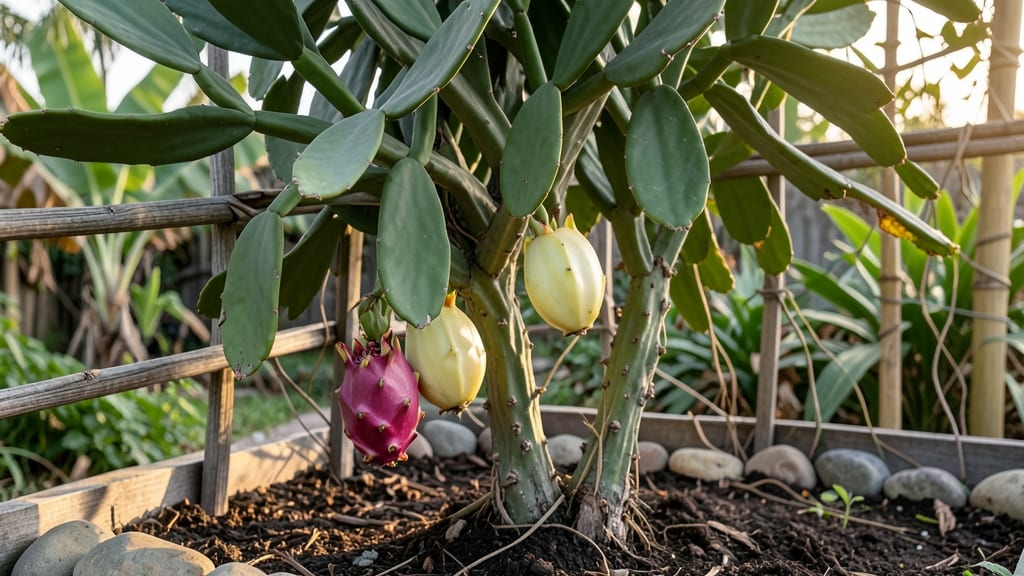
A dragon fruit tree can grow how tall does a dragon fruit tree grow to heights between 10 and 20 feet—but whether your 🐉 stays compact or stretches skyward depends entirely on the variety and how you train it.
If you’ve ever dreamed of growing your own dragon fruit but worry about space constraints, you’re not alone—this tropical plant’s height can vary dramatically by variety, from balcony-friendly sizes to towering vines that need room to climb.
Most gardeners assume a dragon fruit tree will always reach its full 15–20-foot potential, but with the right pruning and support, you can keep it under 10 feet—even in containers. The key is understanding how each type grows and what tricks work for your space.
Below, I’ll break down the height ranges by variety, how to control growth without sacrificing fruit, and the best setups for small gardens or indoor growing—so you can enjoy sweet, vibrant fruit without losing your yard to a jungle.


Dragon fruit tree height by variety: compact vs. climbing types
Dragon fruit trees (Hylocereus spp.) are stunning tropical climbers, but their mature height can surprise even experienced gardeners. Without proper support, some varieties stretch 20 feet or taller, while others stay manageable for small spaces.
The key difference lies in their growth habits—some are compact bush types, while others are aggressive climbers needing trellises or fences.
If you're growing dragon fruit in containers or limited yards, choosing the right variety is critical. Climbing types like Hylocereus undatus (white-fleshed dragon fruit) can reach 15–20 feet when given vertical support, while bushier varieties like Hylocereus megalanthus (yellow-fleshed) may stay between 8–12 feet without pruning.
Let’s break down the height ranges by popular varieties and how to manage them.
🌱 Pro Tip: Most dragon fruit varieties don’t have true "dwarf" forms, but you can control height with pruning, training, and container size. Even climbing types can be kept under 6 feet with regular maintenance.
For container gardening, prioritize varieties like Hylocereus megalanthus or H. polyrhizus, which tolerate pruning better. A 20–30 gallon pot can accommodate a 6–8 foot plant if you train it vertically. Climbing types like H. undatus need strong trellises or bamboo poles to prevent sprawling.
In ground planting, give climbing varieties at least 10 feet of vertical space or they’ll smother nearby plants. Bushier types can thrive in 5–6 foot wide beds if you remove excess branches annually. Always plant near a support structure from day one—retrofitting support later is difficult.
🌿 Climate Note: Dragon fruit grows fastest in USDA Zones 10–11, where vines can reach full height in 3–5 years. In cooler zones (Zone 9b), growth slows, and mature heights may stay 30–50% shorter without winter protection.
If space is your biggest concern, consider grafting dwarf scions onto established roots—a technique used by commercial growers to create 4–6 foot "bush" dragon fruit trees. While not common in home gardens, it’s an option for dedicated growers with limited room.
🪴 Key Takeaway: The shortest dragon fruit trees stay around 6–8 feet with pruning, while the tallest can exceed 20 feet without control. Always check a variety’s growth habit before planting—some "bushy" types still need occasional pruning to stay compact.
How to control dragon fruit tree height for small spaces
Dragon fruit trees (Hylocereus spp.) can grow 15–20 feet tall with proper support, but that doesn’t mean you need a jungle-sized yard to grow them. With the right pruning techniques and training methods, you can keep your dragon fruit vine manageable—even on a balcony or patio.
The key is balancing growth while encouraging fruit production, so your plant stays productive without becoming unruly.
For container gardening, height control starts at planting. Choose a dwarf-friendly variety (like Hylocereus undatus) and pair it with a compact trellis system. Pruning isn’t just about trimming—it’s about directing energy where you want it: toward fruit-bearing branches instead of vertical sprawl.
Let’s break down the steps to keep your dragon fruit vine in check without sacrificing those sweet, spiky fruits.
Step-by-Step Guide to Managing Dragon Fruit Height
- 🪴 Start with a sturdy trellis or cage (6–8 ft tall) to guide vertical growth. Use a metal or wooden frame with horizontal wires or netting for support.
- ✂️ Prune aggressively in early spring (before new growth) to remove overly long or weak stems. Cut back 1/3 of the vine length to encourage bushier growth.
- 🌱 Train vines horizontally by weaving them along the trellis. This reduces vertical sprawl and makes harvesting easier.
- 💧 Water deeply but less frequently (every 3–5 days) to avoid rapid, unchecked growth. Overwatering can lead to soft, leggy stems.
- ☀️ Ensure full sun exposure (6+ hours daily) to promote compact, sturdy growth. Shade can weaken the plant and encourage vertical stretching.
- 🌿 Fertilize lightly with a balanced 7-9-5 NPK (spring and fall only) to avoid excessive leafy growth at the expense of fruit.
- 🔄 Rotate pruning direction each season to prevent the vine from growing in one direction. This keeps the plant evenly shaped and manageable.
One common mistake is pruning too late in the season, which can stunt flowering. Always prune before buds form (early spring or late winter) to give your plant time to recover and produce fruit.
If you’re growing in a container, choose a pot with drainage holes and at least 15–20 gallons of capacity—root-bound plants grow faster and taller, which is the last thing you want in a small space.
For balcony gardening, consider a spiral trellis or a wall-mounted vine system to save floor space. These designs let the vine climb vertically while keeping the base area clear.
Just remember: dragon fruit vines are heavy when laden with fruit, so secure your trellis to a sturdy wall or post to avoid accidents.
With these techniques, you can keep your dragon fruit vine at a manageable 6–10 feet tall while still enjoying a bountiful harvest. The secret? Consistent pruning, proper support, and a little patience.
Your compact dragon fruit tree will thank you with juicy, vibrant fruit—without taking over your garden! 🌱