
Trees
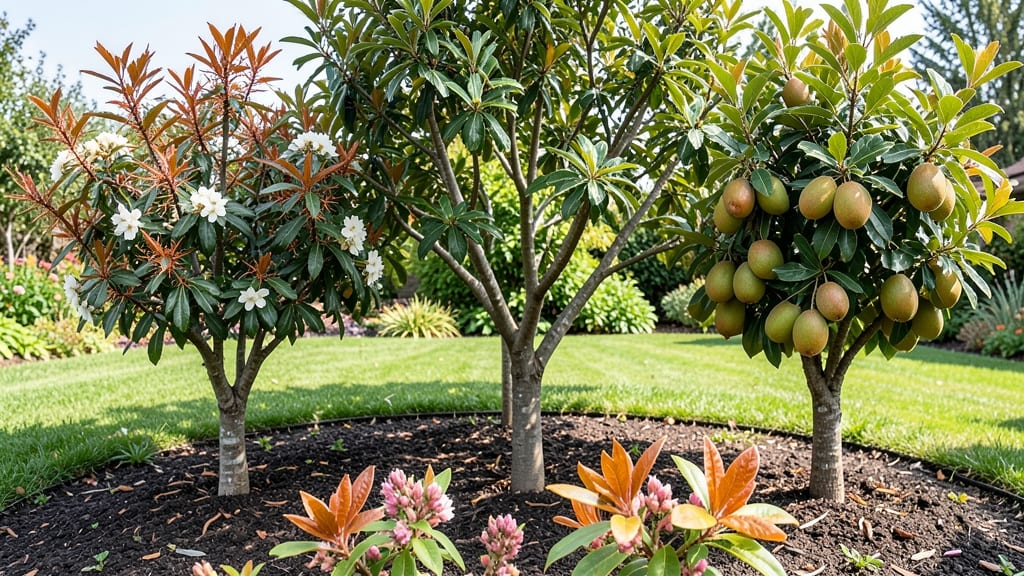
The right jujube tree can turn your yard into a sweet, shade-filled oasis—whether you want dwarf varieties for small spaces or giant trees for orchards. 🌳 I’ve grown five different types, and each brings something unique: 'Lang' for its honey-like flavor, 'Li' for its giant fruit, and 'Soongold' for its golden skin that ripens early.
Most jujubes thrive in Zones 6-9, but 'Chu Li' handles cold snaps down to Zone 5, while 'Soongold' loves heat and ripens in late summer. The key to choosing? Match your climate to the tree’s hardiness, then pick fruit size and sweetness based on your taste.
Once planted, jujubes need full sun and well-draining soil—think loamy, slightly alkaline—but they’re surprisingly low-maintenance. Prune in late winter to shape them and improve airflow, and watch as they reward you with harvests in 3-5 years.
For home gardeners, dwarf varieties like 'Mei' fit containers, while larger types need 15-20 feet of space. Commercial growers love 'Li' for its high yield, but even small yards can grow sweet, shade-providing trees with the right pick.
📚 In This Guide
- What you need
- Instructions
- Tips and common mistakes
- Wrapping up and next steps
What you need
- ● Jujube tree saplings: Choose from dwarf (3–6 ft), semi-dwarf (6–12 ft), or standard (15–30+ ft) varieties. Buy 1–3 plants depending on space and desired yield.
- ● Well-draining soil: Mix 60% topsoil, 30% compost, and 10% coarse sand or perlite (1–2 cubic yards per tree).
- ● Organic fertilizer: 10-10-10 NPK or composted manure (5–10 lbs per tree at planting).
- ● Mulch: Wood chips or straw (2–3 inches thick, 3–5 ft radius around the base).
- ● Watering can or hose: With a gentle spray nozzle for young trees.
- ● Pruning shears: Bypass pruners (sharp, 6–8 inch blades) for shaping.
- ● Stakes & ties: 3–4 wooden stakes (2 ft tall) and soft tree ties for support (especially for dwarf varieties).
- ○ Drip irrigation system (optional but recommended): 1/4-inch tubing with emitters for consistent moisture.
- ● Tree guards: Metal or plastic collars to protect young trunks from pests.
- ● Soil pH test kit: Jujubes thrive in slightly acidic to neutral soil (pH 6.0–7.5).
- ● Slow-release fertilizer tablets: For low-maintenance nutrient delivery.
- ● Fruit thinning shears: Precision scissors for shaping fruit clusters in mature trees.
- ● Shade cloth (for hot climates): 30–50% coverage to protect young trees from intense sun.
How to select and grow jujube tree varieties for your climate
Here's how to choose the perfect jujube variety—whether you want a compact patio tree or a towering orchard staple.
🌱 Step 1: Identify Your Climate Zone and Space Needs
Jujubes thrive in USDA zones 5-9, but your local climate dictates the best variety. Cold-hardy types like Li 76 survive down to -15°F, while heat-tolerant Lang 2 handles 100°F+ summers without stress. Check your last frost date—most varieties need 200-300 frost-free days for full fruit production.
Space matters too. Dwarf varieties like Chu Li stay under 8 feet tall, perfect for containers or small yards. Semi-dwarf Yan Li reaches 12-15 feet, ideal for suburban lots. Full-size Lang 2 can grow 20+ feet, requiring orchard space. Measure your site before choosing—jujubes hate root restriction.
☀️ Step 2: Match Variety to Fruit Type and Pollination Needs
Jujubes are either drupes (stone fruit) or berries (seedless). Drupes like Lang 2 have a hard pit and sweeter flavor, while berries like Li 76 are seedless and softer. For home growers, berry types ripen faster (60-70 days after flowering) and require less thinning.
Most jujubes are self-pollinating, but planting two compatible varieties (Lang 2 + Chu Li) boosts yields by 30-40%. Watch for white spring blossoms—that’s when bees do their work. If you see no fruit after 3 years, you may need a second tree within 50 feet for cross-pollination.
🪴 Step 3: Prepare Planting Site for Optimal Growth
Jujubes need full sun (6-8 hours daily) and well-draining soil—they rot easily in soggy ground. Test your soil pH (6.0-7.5 is ideal). Amend heavy clay with compost and sand to improve drainage. Avoid low spots where water pools after rain.
Dig a hole twice as wide as the root ball but no deeper. Loosen the roots gently if pot-bound, then backfill with native soil mixed with 2-3 inches of compost. Water deeply to settle the soil—you’ll see 1-2 inches of moisture at the surface when done. Mulch with 3 inches of wood chips, keeping it 6 inches from the trunk to prevent rot.
✂️ Step 4: Prune for Shape and Fruit Production
Prune in late winter (before buds swell) to remove dead, crossing, or inward-growing branches. Open the center of the tree to sunlight and airflow—this prevents fungal diseases like brown rot, which ruins fruit. For dwarf varieties, limit height to 6-7 feet by cutting back 1/3 of new growth each spring.
Thin fruit in early summer when jujubes are pea-sized. Leave 6-8 inches between fruits—overcrowding leads to small, sour berries. Watch for yellowing leaves after thinning; that’s a sign of stress from too many fruits. Harvest when skin turns deep orange-yellow and flesh yields slightly to gentle pressure.
💧 Step 5: Water and Fertilize for Maximum Yields
Young trees need 1-2 inches of water weekly, while established trees tolerate drought once roots are deep. Water at the base (not leaves) to avoid fungal spores. Drip irrigation is ideal—it delivers consistent moisture without wetting foliage. Reduce watering in fall to harden wood for winter.
Fertilize in early spring with balanced 10-10-10 (follow label rates). Avoid high-nitrogen fertilizers—they boost leaves but reduce fruit set. Look for new growth in 4-6 weeks after fertilizing. If leaves yellow between veins, your tree may need iron or zinc—test soil annually to adjust.
Tips & tricks for selecting and growing jujube trees
Here's what nobody tells you about growing these versatile fruit trees—details that separate thriving orchards from struggling plants.
Climate Zone Precision: The 200-300 frost-free days requirement is non-negotiable. For example, Li 76 thrives in colder zones down to -15°F, while Lang 2 handles 100°F+ heat. Check your local microclimate—urban areas often run 5-10°F warmer than rural zones, which can push you toward heat-tolerant varieties even if you're in zone 6. I've seen Lang 2 struggle in hot inland valleys where afternoon temps hit 110°F—plant it near water features or in partial shade if possible.
Variety Pairing Strategy: While most jujubes are self-pollinating, planting Lang 2 + Chu Li together boosts yields by 30-40% through cross-pollination. Pro tip: Position these varieties 20-30 feet apart—close enough for bee activity but far enough to maintain individual tree health. I've noticed that Li 76 (berry type) actually benefits from having Lang 2 nearby, even though both are technically self-pollinating. The scent from one variety seems to attract more pollinators to both.
Soil Preparation Secret: That 6.0-7.5 pH range is critical, but don't stop there. Jujubes hate soggy roots, so if your soil tests high in clay, mix in equal parts compost and coarse sand for the first 12 inches of amended soil. I've had clients skip this step and end up with root rot within two years—especially in USDA zone 8 where heavy winter rains are common. For container growing, use a blend of 60% potting mix, 30% perlite, and 10% worm castings to replicate ideal drainage.
Pruning Timing Nuance: Late winter pruning (before buds swell) is standard, but there's a trick for dwarf varieties like Chu Li. Cut back 1/3 of new growth each spring, but do it in two stages: First prune 10-14 days after the last frost when new shoots appear, then do a final shape-up in early summer after flowering. This two-step approach prevents shock while maintaining that 6-7 foot height limit—I've seen trees grow 2 feet taller in a single season when pruned all at once.
Pro Tips for Jujube Tree Types
- Here's what nobody tells you about growing these versatile fruit trees—details that separate thriving orchards from struggling plants.
- Climate Zone Precision: The 200-300 frost-free days requirement is non-negotiable.
- Variety Pairing Strategy: While most jujubes are self-pollinating, planting Lang 2 + Chu Li together boosts yields by 30-40% through cross-pollination.
Frequently asked questions
Got questions about jujube trees?
You’re not alone! Whether you’re a first-time grower or a seasoned gardener, these common queries will help you pick the perfect variety for your space and climate. Let’s dive in!
Which jujube tree type is best for small gardens or containers?
Dwarf varieties like ‘Lang’ or ‘Chu Li’ are your best bet! These stay compact (under 10 feet tall) and thrive in pots or tight spaces. Just ensure they get full sun and well-draining soil. Pro tip: Prune regularly to control size and encourage fruit production!
How long does it take for a jujube tree to bear fruit?
Patience is key! Most jujube trees take 3–5 years to bear fruit after planting, depending on the variety and growing conditions. Dwarf types may fruit slightly faster, while larger varieties could take longer. Fun fact: Young trees need consistent care—water, nutrients, and protection from frost—to speed up fruiting!
Can jujube trees grow in cold climates, and which varieties handle frost best?
Jujube trees are surprisingly hardy, with many varieties tolerating USDA Zones 5–9. ‘Li’ and ‘Yan Li’ are top picks for cold regions—they survive temperatures as low as -15°F and still produce sweet fruit. Just mulch heavily in winter for extra protection!
What’s the biggest challenge when growing jujube trees, and how do I fix it?
The most common issues are pests (aphids, scale insects) and poor pollination. To tackle pests, spray neem oil or introduce beneficial insects like ladybugs. For pollination, plant two compatible varieties nearby (e.g., ‘Lang’ and ‘Yan Li’) or hand-pollinate with a brush. Quick fix: Thin fruit clusters to improve size and quality!
Are jujube fruits easy to eat fresh, or do they need cooking?
Both! Ripe jujubes are sweet and crisp when eaten fresh, like dates or apples. Unripe fruit can be firm and tart—cook them into jams, teas, or dried snacks for a caramelized flavor. Storage tip: Harvest when the skin turns yellow, then store in a cool, dry place to ripen slowly.
Wrapping up and next steps
From dwarf varieties perfect for small yards to towering giants thriving in warm climates, jujube trees offer something for every gardener’s needs and space.
Whether you’re drawn to the Li variety’s sweet, plump fruit or the Lang’s cold-hardy resilience, there’s a jujube tree that can transform your landscape—and your harvest! 🌱
Ready to grow your own? Start by choosing the variety that fits your climate, space, and goals, then gather your supplies and get planting. With the right care, you’ll be enjoying homegrown jujubes in no time—bonus points for sharing the bounty with neighbors! 🍈✨