
Planting
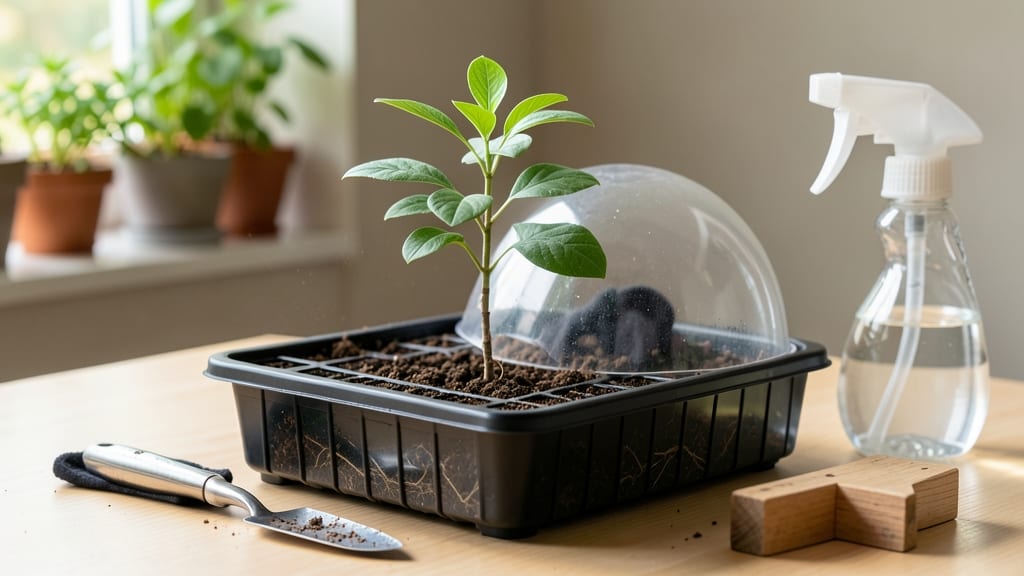
Planting beech tree seeds requires patience and the right timing—skipping cold stratification means waiting years for germination. 🌱 I’ve learned the hard way that fresh seeds need a 4-6 month cold period to break dormancy, and doing it right means seedlings in 2-3 months instead of waiting until they’re decades old.
The secret isn’t complicated: mix seeds with damp sand, seal them in a plastic bag, and refrigerate. When spring arrives, plant them ½ inch deep in well-draining soil, spaced 6-8 inches apart—this mimics their natural forest floor conditions. Too shallow, and they’ll dry out; too deep, and they’ll rot.
You’ll see the first tiny leaves within 4-6 weeks if everything’s right. The key is keeping soil consistently moist but not soggy, and protecting young seedlings from deer or rabbits. A wire mesh cage around each one saves countless heartbreaks.
This method works best in fall planting for natural stratification, but if you’re starting indoors, just move the cold treatment to winter. Either way, you’re setting up a future shade tree that’ll outlive you—and your neighbors’ jealousy.
📚 In This Guide
- What you need
- Instructions
- Tips and common mistakes
- Wrapping up and next steps
What you need
- ● Beech tree seeds: Freshly harvested (or store-bought) Fagus genus seeds (e.g., American, European, or Oriental beech). Aim for 5–10 seeds for best results.
- ● Cold-stratification supplies: Moistened peat moss or coconut coir (1–2 cups) – sterilized to prevent mold.
- ● Sealable plastic bag or airtight container (e.g., Ziploc with ventilation holes).
- ● Refrigerator (set to 34–40°F (1–4°C)) for 60–90 days of stratification.
- ● Planting pots: Small 3–4 inch pots with drainage holes (2–3 pots). Use well-draining potting mix (e.g., 60% peat/coco coir, 30% perlite, 10% vermiculite).
- ● Grow lights or sunny windowsill: 12–16 hours/day of bright, indirect light (LED grow lights work great).
- ● Misting bottle – Keep seeds/mix moist but not soggy.
- ○ Optional but helpful: Seed tray or flat (for mass sowing).
- ● Humidity dome (to retain moisture during germination).
- ● pH meter – Ideal soil pH: 5.0–6.5 (slightly acidic).
- ● Fertilizer (balanced 5-10-5 or organic, diluted to half-strength) for seedlings (after 3 months).
- ○ Heat mat (optional, for faster germination in cooler climates).
- ● Safety gear: Gloves (to handle seeds/moss) and a mask (if sterilizing peat moss).
Step-by-step instructions for planting beech tree seeds
Here’s the exact method I’ve used to break through beech seeds’ stubborn dormancy and coax reliable sprouts.
🌱 Step 1: Collect and Prepare the Seeds
Beech seeds need freshness and proper handling to germinate. Collect them in late fall when they’ve fallen naturally—they’re ready when the husk splits open to reveal the glossy, triangular nut inside. Remove any seeds still enclosed in the husk, as they won’t sprout without this step.
Clean the seeds thoroughly by soaking them in lukewarm water for 24 hours, then gently rubbing off any remaining husk fragments with your fingers. This ensures the seed coat isn’t blocking moisture absorption. Store them in a breathable container, like a paper towel-lined bag, until you’re ready to stratify—within 2 weeks for best results.
❄️ Step 2: Cold-Stratify for Dormancy Break
Beech seeds require 120-180 days of cold stratification to mimic winter conditions and trigger germination. Place the cleaned seeds in a sealed plastic bag with a moistened peat moss or vermiculite mix—just enough to keep the medium damp but not soggy. Seal the bag and refrigerate it at 34-40°F, checking monthly to ensure the mix stays moist.
This is where patience pays off. After 4 months, remove the bag and inspect the seeds. You’ll see some may have already sprouted tiny roots—this is your cue that stratification worked. If not, return them to the fridge for another 2 months. Never skip this step; without cold treatment, beech seeds will remain dormant indefinitely.
🪴 Step 3: Sow in Containers for Controlled Growth
Fill 4-inch deep pots with a sterile seed-starting mix (avoid garden soil—it’s too dense). Plant each seed ½ inch deep, spacing them 2 inches apart in the pot. Gently firm the soil around them to eliminate air pockets, then water lightly until the surface feels evenly moist. Place the pots in a shaded, warm location (65-70°F) until germination.
Keep the soil consistently moist but never waterlogged—beech seedlings are sensitive to rot. You’ll see first true leaves in 4-8 weeks, depending on how well the stratification worked. At this stage, move the pots to bright, indirect light to prevent leggy growth. Avoid direct sun until the seedlings are 3-4 inches tall.
☀️ Step 4: Harden Off and Transplant Outdoors
Once seedlings reach 6 inches tall and show 5-6 true leaves, they’re ready for outdoor acclimation. Start by placing them in a sheltered, shaded spot for 2 hours daily, gradually increasing exposure over 2 weeks. This process, called hardening off, toughens the seedlings for full sun and temperature fluctuations.
Choose a partially shaded location in your yard for transplanting, as young beech trees prefer morning sun and afternoon shade. Dig a hole twice as wide as the root ball but only as deep as the container. Plant at the same depth as the pot, firm the soil gently, and water deeply. Mulch around the base with 2 inches of organic mulch to retain moisture and regulate soil temperature.
🌿 Step 5: Maintain for Long-Term Growth
Beech seedlings need consistent moisture but well-draining soil—water deeply once a week during dry spells, ensuring the top 2 inches of soil stay moist but not saturated. Fertilize lightly with a balanced, slow-release fertilizer in early spring, but avoid heavy feeding, which can encourage weak growth.
Prune any damaged or crossing branches in early spring to encourage a strong, open canopy. Be patient—beech trees grow slowly but steadily. After 2-3 years, you’ll see the classic lobed leaves and sturdy trunk that make beech trees such prized landscape specimens. With proper care, your seedlings will mature into 50-75 foot giants in 30-50 years.
Tips & tricks for planting beech tree seeds
Real talk: Beech seeds are stubborn, but these insider tricks will help you break through their dormancy like a pro.
Seed Selection: The 24-hour soak in Step 1 isn't just about cleaning—it's your first test. Discard any seeds that float during soaking; they're empty or damaged. Only use seeds that sink immediately and look plump and firm. This simple step can save you months of frustration with non-viable seeds.
Stratification Strategy: When you're checking your seeds after the initial 4 months, look for tiny white roots emerging from the seed. These are your signal to proceed, not just a guess. If you don't see roots but the seed feels soft when gently squeezed, return it for another 2 months—don't rush this process. The 120-180 days range is critical, but consistency matters more than hitting the exact midpoint.
Container Wisdom: For Step 3, use clear plastic pots instead of opaque ones. This lets you monitor root development without disturbing the seedlings. The 4-inch depth is perfect, but add drainage holes if your pots don't have them—beech seedlings hate soggy conditions. I've seen many growers skip this and end up with rot before germination even begins.
Light Transition: When moving your seedlings to bright, indirect light after germination, place them near an east-facing window if possible. Morning light is gentler than afternoon sun and helps prevent the shock that can cause leggy growth. The 3-4 inch height threshold is your cue to gradually introduce more light, but never expose them to direct midday sun until they're fully hardened off.
Pro Tips for Plant Beech Tree Seeds
- Real talk: Beech seeds are stubborn, but these insider tricks will help you break through their dormancy like a pro.
- Seed Selection: The 24-hour soak in Step 1 isn't just about cleaning—it's your first test.
- Stratification Strategy: When you're checking your seeds after the initial 4 months, look for tiny white roots emerging from the seed.
Frequently asked questions
Got questions about growing beech trees from seeds? You’re not alone! Here are answers to the most common concerns—from timing to troubleshooting—to help you succeed.
How long does it take for beech tree seeds to germinate?
Beech seeds can take anywhere from 3 months to 2 years to germinate, depending on cold stratification and soil conditions. Patience is key—some seeds may even sprout in spring after a full winter outdoors. Keep them moist and in a cool, dark spot during this time.
Can I skip cold stratification? What happens if I don’t?
Cold stratification is critical for breaking dormancy. Skipping it may result in little to no germination, as beech seeds rely on winter’s chill to trigger growth. If you’re in a warm climate, mimic winter by refrigerating seeds for 6–12 weeks before planting.
What’s the best location to plant beech tree seedlings?
Beech trees thrive in partial shade to full sun, especially in their early years. Choose a spot with well-draining soil and protection from harsh winds. Avoid low-lying areas where water pools—root rot is a common risk for young seedlings.
Why aren’t my beech seeds sprouting? Troubleshooting tips.
If your seeds aren’t germinating, check these common issues:
- Improper stratification: Ensure seeds spent enough time cold and moist.
- Dry soil: Keep the planting medium consistently damp (not soggy).
- Old or damaged seeds: Beech seeds lose viability over time—test freshness by cutting one open to check for a firm, white interior.
- Pests or fungi: If mold appears, repot seeds in fresh, sterile soil.
Are there faster-growing alternatives to beech trees?
If you’re impatient, consider fast-growing shade trees like silver maple, redbud, or serviceberry. However, beech trees offer stunning fall foliage and durability—worth the wait! For quicker results, opt for container-grown saplings (2–3 years old) from nurseries.
Wrapping up and next steps
Planting beech tree seeds is a rewarding journey that blends patience with nature’s magic! By mastering cold stratification and providing the right conditions, you’ll unlock the potential for sturdy, thriving trees. Remember, consistency—whether in moisture, temperature, or sunlight—is key to success.
Ready to take the next step? Start small—grow a few seeds in pots first to refine your technique before transplanting. With time and care, your beech trees will flourish, offering shade and beauty for generations. Happy planting! 🌱