
Propagation
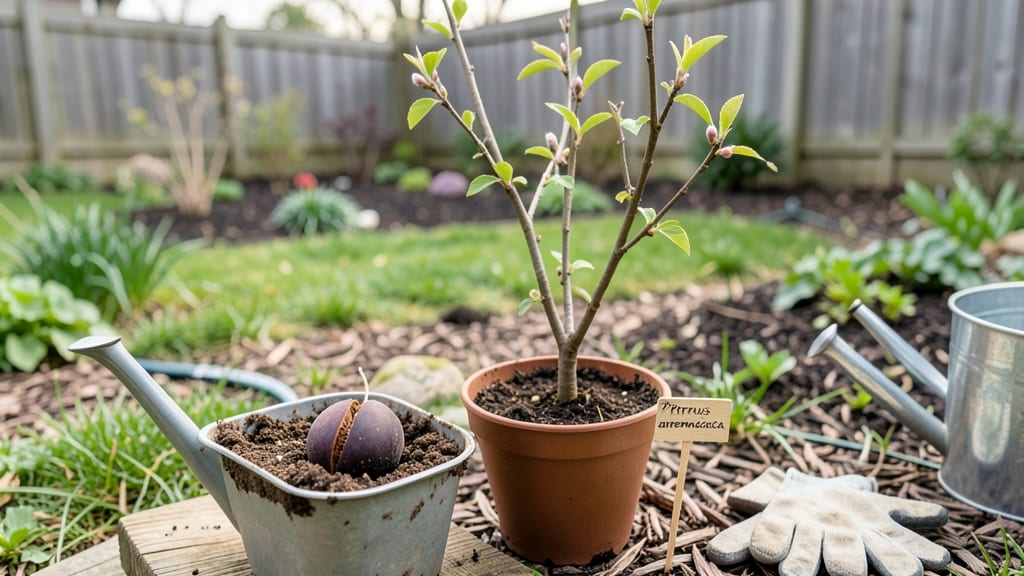
Growing an apricot tree from a pit rewards you with three years of patience—and then a lifetime of homegrown fruit. 🌱 The process starts with a simple kitchen experiment: saving a pit from your favorite apricot and coaxing it into life with warmth, moisture, and just the right amount of time.
Most pits take 4-12 weeks to sprout, depending on how fresh they are and how consistent you keep the conditions. I’ve watched mine struggle through damp paper towels before finally sending down a tiny root, then a shoot—proof that persistence pays off.
The key is keeping the pit moist but not soggy, and giving it warmth without direct sunlight until those first leaves appear. Once your seedling hits 6 inches tall, it’s ready to graduate from its nursery pot to a permanent home in well-draining soil.
By year three, with proper pruning and care, you might see your first blossoms—though fruit could take another year or two. The wait feels worth it when you’re holding that first apricot, knowing you grew it from a single pit.
This method works best in USDA Zones 5-9, where apricot trees thrive. For colder climates, start seeds indoors and transplant after the last frost. The biggest mistake? Giving up too soon—some pits take months to wake up, but when they do, they’re worth every week of waiting.
📚 In This Guide
- What you need
- Instructions
- Tips and common mistakes
- Wrapping up and next steps
What you need
- ● Fresh apricot pit – Use a ripe, organic apricot (avoid store-bought if treated with chemicals). Quantity: 1-2 pits (extra for backup!).
- ● Small pots or containers – Size: 4-6 inches deep with drainage holes. Quantity: 2-3 (one per pit + extras for germination tests).
- ● Well-draining potting mix – A blend of 50% peat moss or coco coir, 30% perlite or vermiculite, and 20% sand (or a pre-made seed-starting mix). Quantity: 1-2 bags (enough to fill pots + extras).
- ● Spray bottle – For gentle watering (avoid over-saturating the soil).
- ○ Plastic wrap or humidity dome – To create a mini greenhouse effect. Optional but highly recommended for speeding up germination.
- ● Permanent growing location – A sunny spot (6+ hours of sunlight daily) with well-draining soil. Test soil pH (ideal: 6.0-7.0).
- ● Fertilizer (balanced, low-nitrogen) – 10-10-10 or 5-5-5 ratio. Quantity: Small bag (for transplanting stage).
- ● Pruning shears – Sharp, sterilized (for shaping the tree later).
- ● Heat mat – Speeds up germination (keep soil at 70-80°F).
- ● Grow lights – If natural light is limited (12-16 hours/day).
- ● Mulch – Organic mulch (straw or wood chips) to retain moisture and regulate soil temp.
- ● Tree guards or cages – Protects young saplings from pests/browsing animals.
- ● Soil moisture meter – Avoids over/under-watering guesswork.
- ● Apricot tree variety reference – Research cold-hardy varieties if you live in a Zone 5 or colder (e.g., 'Royal' or 'Blush').
Step-by-step instructions for growing an apricot tree from a pit
Here's the straightforward method I've used to grow sturdy apricot trees from pits—no fancy tools needed.
🌱 Step 1: Select and Prepare the Pit
Choose a fresh, organic apricot pit—avoid those with cracks or soft spots. Rinse it thoroughly under cool water to remove any fruit residue, then let it air-dry completely for 24 hours. This prevents mold from developing during storage.
I like to soak the pit in lukewarm water for 12-24 hours before planting. This softens the outer shell slightly, making it easier for the seedling to break through. Place the pit in a small container of water and leave it in a warm spot—you'll see tiny roots emerge within 3-7 days.
🪴 Step 2: Plant the Germinated Pit
Fill a small pot—4-6 inches deep—with a mix of 50% potting soil and 50% perlite or sand for drainage. Gently place the germinated pit 1 inch deep in the soil, with the pointed end facing up. Press the soil lightly around it but don't compact it too tightly.
Water the soil until it's evenly moist but not soggy. Place the pot in a warm, sunny spot—65-75°F is ideal. Keep the soil consistently moist by watering lightly every 2-3 days until you see the first true leaves appear, which usually takes 2-4 weeks.
☀️ Step 3: Care for the Seedling
Once the seedling has 3-4 sets of true leaves, it's ready for a larger pot—8-10 inches deep. Use the same soil mix and plant it at the same depth it was growing before. This helps prevent root shock and encourages stronger growth.
Place the seedling in a spot where it gets at least 6 hours of sunlight daily. If you're growing it indoors, a south-facing window is best. If outdoors, choose a sheltered location to protect it from strong winds. Water deeply once a week, allowing the top 1-2 inches of soil to dry out between waterings.
⏰ Step 4: Transplant and Prune for Growth
After 6-12 months, when the seedling is at least 2 feet tall, it's time to transplant it into the ground. Choose a spot with well-draining soil and full sun. Dig a hole twice as wide as the root ball and plant the seedling at the same depth it was growing in the pot.
Prune any weak or crossing branches to encourage a strong structure. Focus on keeping the tree open and airy, which helps prevent disease. Mulch around the base with 2-3 inches of organic mulch to retain moisture and regulate soil temperature.
🍑 Step 5: Nurture for Fruit Production
Apricot trees grown from pits can take 3-5 years to bear fruit, but with patience, you'll get there. During the first year after transplanting, fertilize lightly in early spring with a balanced 10-10-10 fertilizer. In subsequent years, apply fertilizer in early spring and again after the tree flowers.
Watch for signs of stress like yellowing leaves or stunted growth—these often mean the tree needs more water or nutrients. If you notice any pests or diseases, address them promptly to keep your tree healthy. With consistent care, you'll be enjoying homegrown apricots in no time!
Tips & tricks for growing an apricot tree from a pit
These small details make all the difference between a thriving apricot tree and one that struggles from the start.
Pit Selection: Look for pits that are plump and firm—avoid any that feel hollow or have soft spots, as these may not germinate. I've found that pits from fully ripe, organic apricots work best. Once you've chosen your pit, don't rush the drying process; those 24 hours of air-drying are crucial for preventing mold during storage.
Germination Environment: The 12-24 hours of soaking is your chance to jumpstart the process, but the real magic happens in the warm spot. I place my container near a sunny window or under a grow light to maintain consistent warmth. If your kitchen stays around 75°F, you'll likely see roots emerge within that 3-7 day window—but if it's cooler, be patient and check daily.
Soil Mix Matters: That 50-50 mix of potting soil and perlite/sand isn't just arbitrary—it's about balance. The potting soil provides nutrients while the perlite or sand creates air pockets for proper drainage. When planting your 1-inch deep, gently pat the soil around the pit rather than pressing down hard. This prevents compacting the soil, which can suffocate the emerging roots.
Light and Watering: Those 6 hours of sunlight daily are non-negotiable once your seedling has true leaves. If you're growing indoors, supplement with a grow light if natural light falls short. For watering, the "top 1-2 inches dry" rule is your guide—stick your finger in the soil to check moisture rather than watering on a strict schedule. Overwatering is the #1 killer of young seedlings.
Pro Tips for Grow Apricot Tree From A Pit
- These small details make all the difference between a thriving apricot tree and one that struggles from the start.
- Pit Selection: Look for pits that are plump and firm—avoid any that feel hollow or have soft spots, as these may not germinate.
- Germination Environment: The 12-24 hours of soaking is your chance to jumpstart the process, but the real magic happens in the warm spot.
Frequently asked questions
Got questions about growing an apricot tree from a pit?
You’re not alone! Here are answers to the most common queries—so you can grow with confidence.
How long does it take for an apricot pit to sprout?
Germination can take anywhere from 2 weeks to 6 months, depending on conditions. Cold stratification (chilling) speeds it up—most pits sprout within 4–8 weeks if kept moist and cool. Patience is key!
Do I need to cold stratify the pit before planting?
Yes! Apricot pits require cold stratification (6–12 weeks in the fridge) to break dormancy. Skip this step, and germination may fail. Wrap the pit in a damp paper towel, place it in a sealed bag, and refrigerate before planting.
Can I grow an apricot tree indoors?
While possible, apricot trees thrive outdoors. They need full sun (6+ hours/day) and space to grow (15–20 ft tall). If you try indoor growth, use a sunny windowsill and transplant outdoors once established—but expect slower progress.
Will my homegrown apricot tree produce fruit?
Probably not the same variety as the parent tree! Apricot pits grow wild-type trees with unpredictable fruit quality. For reliable fruit, graft onto a rootstock or buy a named cultivar. Still, the process is rewarding—even if the fruit isn’t perfect!
What if my pit rots or mold grows?
This usually means too much moisture or poor airflow. Plant pits in well-draining soil (like a mix of potting soil and perlite) and avoid overwatering. If mold appears, let the pit dry out slightly before replanting.
What’s the best climate for growing apricot trees?
Apricots love USDA Zones 5–9 with hot summers and cold winters (they need chilling hours to fruit). If you’re in a warm climate, choose low-chill varieties or prepare for slower growth.
Wrapping up and next steps
Growing an apricot tree from a pit is a rewarding journey that blends patience with simple care. With the right steps—from soaking the seed to nurturing your sapling—you’ll soon enjoy the sweet taste of homegrown fruit in just a few years! 🌱✨
Now that you’re equipped with the know-how, why not start today? Grab that pit from your favorite apricot, and let nature work its magic. Happy planting—and may your tree thrive! 🌳🍑