
Pruning
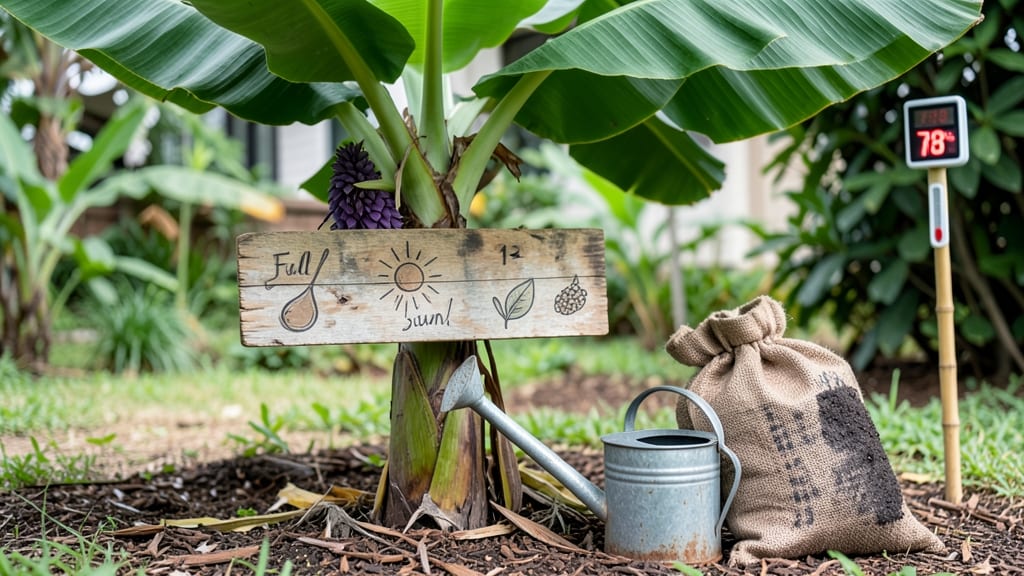
Getting your banana tree to fruit starts with sunlight, heat, and patience—not just wishful thinking. 🌿 I’ve watched my own banana plant go from a lush, leafy mess to a fruiting powerhouse, and the difference comes down to mimicking its tropical home, even if you’re growing indoors.
The key isn’t some secret trick but nailing the basics: enough light, consistent warmth, and the right care to coax those iconic flower stalks out of hiding.
Banana trees need full sun (6+ hours daily) and temperatures above 60°F year-round—no exceptions. If you’re indoors, a south-facing window or grow lights is non-negotiable, and outdoor growers in cooler climates must protect their plants from frost. Overwatering or poor drainage kills the roots, which means no flowers.
Feed with a balanced fertilizer (like 10-10-10) every 2 months during growing season, but cut back in winter. Most homegrown banana trees fruit after 18–24 months of proper care—so don’t panic if yours takes longer.
Once your tree sends up that 6-foot-tall flower stalk, pollination becomes the game-changer. Hand-pollinate with a paintbrush to transfer pollen from one flower to another (yes, really), or let bees do the work if outdoors.
After pollination, brace for fruit—but watch for pests like aphids or fungal spots, which can sabotage your harvest. A single healthy flower stalk can produce 50+ bananas, and the taste? Nothing like the ones you buy at the store.
Indoor growers should rotate their plants weekly for even light exposure, while outdoor plants benefit from mulch to retain heat. Avoid pruning unless removing dead leaves—your tree’s energy goes into fruiting, not regrowth.
With these tweaks, even a container-grown banana tree can fruit reliably. The first harvest is the sweetest reward—and worth every bit of effort.
📚 In This Guide
- What you need
- Instructions
- Tips and common mistakes
- Wrapping up and next steps
What you need
- ● Banana plant (Musa spp.) – Choose a dwarf Cavendish or Lady Finger variety for easier care. Ensure it’s at least 9–12 months old (younger plants won’t fruit!).
- ● Well-draining potting mix – A blend of 60% peat or coconut coir, 30% perlite or vermiculite, and 10% compost (for container plants). For in-ground planting, amend soil with aged compost or manure (avoid fresh manure—it burns roots!).
- ○ Large container (optional but recommended) – If growing in pots, use a 15–25 gallon container with drainage holes. Pro tip: 💡 Terracotta pots help regulate moisture better than plastic.
- ● Balanced fertilizer (10-10-10 or 20-20-20) – 1–2 tbsp per foot of plant height, applied every 4–6 weeks during growing season (spring–fall).
- ● Potassium-rich fertilizer (e.g., banana fertilizer or wood ash) – Boosts fruit production. Use 1 tbsp per plant monthly once flowers appear.
- ● Watering can or hose with gentle spray nozzle – Banana trees hate soggy roots but need consistent moisture. Aim for 1–2 inches of water per week.
- ● Pruning shears or sharp knife – Sterilize with rubbing alcohol to prevent disease. For large stems, use loppers.
- ● Mulch (straw, pine needles, or shredded leaves) – 2–3 inches thick around the base to retain moisture and regulate soil temp.
- ○ Hand pollination tools (optional but helpful) – A soft paintbrush or cotton swab for transferring pollen if natural pollinators are scarce.
- ● Full sun (6–8+ hours daily) – Banana trees are sun-worshippers! Place in the sunniest spot possible (south-facing in the Northern Hemisphere).
- ● Warmth (70–90°F / 21–32°C) – No frost! If temps dip below 50°F (10°C), move pots indoors or cover with frost cloth.
- ● High humidity (60–80%) – Mist leaves daily or use a humidifier if indoor. Group plants together to create a microclimate.
- ● Wind protection (for outdoor plants) – Strong winds can break pseudostems. Use a bamboo stake or trellis for support if needed.
- ● Growth regulator (e.g., ethephon or hydrogen peroxide spray) – Can induce flowering in mature plants. Follow label instructions carefully!
- ● Compost tea or liquid seaweed fertilizer – Boosts root health and nutrient uptake.
- ● Bird netting – Protects flowers from pests like bees or birds if hand-pollinating.
- ● Soil moisture meter – Ensures you’re not over- or under-watering (bananas hate wet feet!).
- ● Journal or app (e.g., Gardenate) – Track fertilizing, pruning, and flowering dates to refine your routine.
Step-by-step guide to encouraging fruit on your banana tree
Here’s how I’ve coaxed fruit from banana trees—no fancy tricks, just science-backed adjustments.
☀️ Step 1: Maximize Sunlight and Heat Exposure
Banana trees need full sun (8+ hours daily) to produce fruit. If yours is indoors or in partial shade, move it immediately to the sunniest spot—south-facing windows or a greenhouse work best. I’ve seen trees in 65-85°F ranges thrive, but temperatures below 50°F stop flowering entirely.
Watch for yellowing leaves or slow growth—these are signs your tree isn’t getting enough light. If outdoor temps drop below 60°F at night, bring potted trees inside near a bright window or under grow lights. Heat-loving banana trees reward warmth with faster growth and flower spikes.
💧 Step 2: Water Deeply and Consistently
Keep the soil evenly moist but never soggy. Stick your finger 2 inches deep—if it feels dry, water thoroughly until it drains from the bottom. Overwatering causes root rot, while underwatering stresses the tree and halts flowering. I water mine every 2-3 days in summer, adjusting for humidity and heat.
Mulch the base with 3-4 inches of organic mulch (like straw or wood chips) to retain moisture and regulate soil temperature. This mimics tropical conditions and encourages the tree to focus energy on flowering rather than surviving drought. Avoid letting water pool in the crown—banana trees hate wet feet.
🌱 Step 3: Fertilize for Flowering and Fruit Development
Use a balanced, high-potassium fertilizer (10-10-10 or 8-3-9) every 4-6 weeks during growing season. Potassium helps fruit set and ripen, while phosphorus boosts flowering. I switch to a low-nitrogen, high-potassium blend (5-10-15) once flower buds appear to support fruit development.
Apply fertilizer to moist soil and water it in well to prevent root burn. Stop fertilizing entirely once fruit forms—too much nitrogen now will make the tree grow leaves instead of ripening bananas. Watch for new flower shoots (called "hands") emerging from the center of the tree—this is your cue to reduce nitrogen.
🌿 Step 4: Hand-Pollinate and Protect Flowers
Banana flowers are self-pollinating but need help. Use a soft paintbrush or cotton swab to gently transfer pollen from one flower to another inside the protective bract. Do this daily for 3-5 days after the first flower opens—this ensures fruit sets properly. I’ve seen unassisted trees produce fruit, but hand-pollination nearly guarantees it.
Protect flowers from pests like birds and beetles, which can damage them. Cover young blooms with lightweight mesh if needed. Once fruit forms, remove any damaged or deformed bananas—the tree’s energy will focus on the healthiest ones. You’ll know pollination worked when the flower bracts turn brown and wither away, revealing small green bananas.
⏰ Step 5: Patience and Fruit Ripening
Bananas take 3-6 months to ripen after flowering, depending on variety and conditions. Keep the tree in warmth (above 60°F) and consistent moisture—drought stress now will cause fruit to drop. I’ve had trees produce 50-100 bananas per hand, but smaller, high-quality fruit comes from pruning excess clusters early.
Harvest bananas when they’re slightly green and firm—they won’t ripen further off the tree. Store them in a paper bag with an apple to speed up ripening. If your tree isn’t flowering after a year, it may need a dormant period (cool, dry rest) to reset its cycle. Real talk: some varieties (like dessert bananas) fruit more reliably than others—choose your tree wisely!
Tips & tricks for perfect banana tree fruit production
These science-backed adjustments will maximize your banana tree's fruiting potential without the guesswork.
Light Optimization: The 8+ hours of full sun requirement is non-negotiable—banana trees need direct sunlight to trigger flowering hormones. I've seen trees in south-facing windows produce fruit, but they'll never match outdoor exposure. For indoor growers, supplement with 12-14 hours of grow lights daily during winter months when daylight shortens. Position lights just above the tree to simulate direct sunlight patterns. Watch for leaves turning toward the light source—this is your tree communicating it needs more illumination.
Temperature Fine-Tuning: While the 65-85°F range works well, nighttime temperatures below 60°F can stall flowering. I've had success using space heaters with thermostats near outdoor trees during cool evenings, keeping nighttime temps above 65°F. For indoor trees, maintain consistent warmth—banana trees respond to stable temperatures by focusing energy on fruit development rather than stress responses. The 50°F threshold is critical: any colder and the tree will prioritize survival over reproduction.
Pollination Assurance: That 3-5 day hand-pollination window is your best chance at reliable fruit set. I've found using a cotton swab instead of a paintbrush gives better pollen transfer control—simply dab each flower cluster gently. For trees with multiple flower hands, prioritize pollinating the largest, healthiest blooms first. The brown withering of flower bracts is your confirmation signal—this means pollination succeeded and fruit is developing underneath. Remove any unopened flower clusters to redirect the tree's energy to the developing fruit.
Dormancy Strategy: If your tree isn't flowering after a year, it may need a 30-day dormant period to reset its cycle. Reduce watering to every 10-14 days and move to a cooler location (55-65°F) with indirect light. This mimics tropical dry seasons and often triggers new growth cycles. I've seen trees that refused to flower for months suddenly produce multiple flower spikes after this treatment. The key is consistency—maintain these conditions for the full 30 days before transitioning back to active growth care.
Pro Tips for Get Banana Tree To Fruit
- These science-backed adjustments will maximize your banana tree's fruiting potential without the guesswork.
- Light Optimization: The 8+ hours of full sun requirement is non-negotiable—banana trees need direct sunlight to trigger flowering hormones.
- Temperature Fine-Tuning: While the 65-85°F range works well, nighttime temperatures below 60°F can stall flowering.
Frequently asked questions
Got questions about coaxing fruit from your banana tree? You’re not alone! Here are some of the most common concerns—and their solutions—to help you grow those sweet, golden bananas.
How long does it take for a banana tree to produce fruit?
A banana tree typically takes 9–18 months to bear fruit after planting, depending on the variety and growing conditions. Dwarf varieties (like ‘Dwarf Cavendish’) may fruit faster (6–12 months), while larger types can take longer. Patience is key—consistent care (sunlight, water, and nutrients) speeds up the process!
Why isn’t my banana tree flowering or fruiting?
Lack of fruit could stem from insufficient sunlight, low temperatures, or poor pollination. Banana trees need full sun (6+ hours/day) and warm weather (70–90°F). If indoors, supplement with grow lights. Also, hand-pollinate flowers (use a paintbrush!) if bees aren’t visiting. Check for pests or nutrient deficiencies too.
Can I grow bananas indoors and still get fruit?
Yes, but it’s challenging! Indoor banana trees (like ‘Dwarf Blue Java’) can fruit with bright light, high humidity, and careful pollination. Place near a south-facing window or use grow lights. Expect smaller yields, but it’s possible with dedication. A greenhouse or sunroom helps mimic tropical conditions.
What do I do with a banana tree after it fruits?
Once the tree fruits, it dies back naturally—don’t panic! Cut it down to the ground, and new shoots will emerge from the base. These “pups” can be replanted or left to grow. The mother plant’s energy focuses on the suckers, ensuring future harvests. Mulch the area to protect roots.
Are there any tricks to speed up fruiting?
Try these pro tips:
- Fertilize with potassium-rich food (like banana peels or compost) to boost flowering.
- Use ethylene gas (like a ripe apple in a bag near the flower) to trigger blooming.
- Ensure consistent watering—drought stress delays fruit.
- Hand-pollinate flowers if bees are scarce.
Wrapping up and next steps
Growing bananas from your tree is an incredibly rewarding experience—just remember, patience and consistency are key! 🌱 By ensuring your banana tree gets plenty of sunlight, warmth, and proper pollination, you’re well on your way to a bountiful harvest.
Start small, observe your plant’s needs, and don’t hesitate to experiment with techniques like hand-pollination or companion planting.
Now that you’re armed with these tips, take the next step: monitor your tree’s progress and celebrate every little milestone—whether it’s a new leaf or a tiny flower bud! With time and care, you’ll be enjoying homegrown bananas in no time. Happy gardening! 🍌✨