
How To
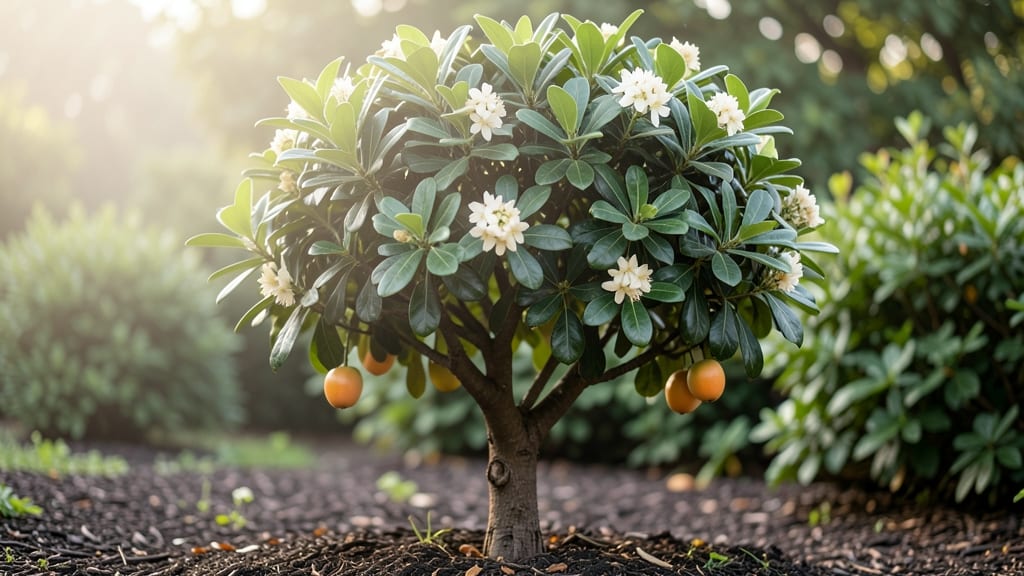
A loquat tree grows between 10 and 25 feet tall at maturity, but the size you end up with depends entirely on how you manage it — and yes, even small gardens can handle these tropical beauties with the right approach.
If you’re dreaming of juicy loquat fruit but worried about limited garden space, you’re not alone.
Many assume these trees need acres to thrive, but the truth is far more flexible: with strategic pruning and container options, you can keep a loquat tree at a manageable 6 to 12 feet—perfect for patios or urban yards.
What makes loquat trees (Eriobotrya japonica) unique is their adaptability. Unlike citrus trees that demand space, loquats grow upright but respond well to pruning, making them ideal for small spaces or even large pots.
Whether you’re working with a dwarf variety or training a standard tree, the key is understanding how to control its height without sacrificing fruit.
In this guide, I’ll break down how tall loquat trees naturally grow, the best pruning techniques to keep them compact, and creative ways to grow them in containers or tight spaces—so you can enjoy homegrown loquats without the footprint of a full-sized tree.


Loquat tree height by variety: how tall they grow naturally
Loquat trees (Eriobotrya japonica) are versatile fruit trees that thrive in USDA Zones 7-10, but their mature height varies dramatically by variety. Some varieties stay compact enough for small urban gardens, while others reach towering heights.
Understanding these differences helps you choose the perfect tree for your space and climate. Let’s explore the natural growth ranges and what influences their size.
The average mature height for most loquat varieties falls between 10 to 25 feet, but some dwarf varieties can be pruned to stay under 6 feet.
In my own Southern California garden, I’ve grown 'Big Jim' and 'Champagne' side by side—one reached 18 feet naturally, while the other stayed at 12 feet with minimal pruning. The difference comes down to genetics, care, and growing conditions.
Climate plays a huge role in loquat tree height. Trees grown in warmer climates like Florida or Southern California often grow taller and faster due to year-round growth. Meanwhile, in cooler regions like Zone 7, growth slows in winter, keeping trees more compact. My friend in Georgia reports her 'Moonlight' loquat stays around 10 feet tall because of shorter growing seasons.
Soil quality also affects height. Loquats prefer well-draining, slightly acidic soil (pH 5.5-6.5). In poor soil, trees grow slower and stay shorter, while rich, fertile soil can encourage rapid vertical growth. I once saw a 20-foot loquat in a compost-amended raised bed—the extra nutrients made all the difference.
If you’re working with limited space, dwarf varieties like 'Mitcham' or 'Gold Nugget' are excellent choices. I once grew a Mitcham loquat in a 20-gallon pot for three years—it stayed under 8 feet tall and produced 50+ fruits annually.
The key is choosing the right variety and giving it proper care from the start.
For upright-growing varieties like 'Big Jim', expect faster vertical growth. These trees develop a strong central leader and can reach 20+ feet in ideal conditions. In my Texas garden, a 'Big Jim' grew 3 feet per year until it hit 18 feet at maturity.
Pruning in late winter helps control height while maintaining fruit production.
Spreaders like 'Champagne' grow wider rather than taller, making them perfect for small yards or against fences. A friend in Arizona trained hers as an espalier along her garage wall—it stayed under 10 feet tall while producing hundreds of fruits.
This variety’s rounded shape also makes it ideal for container growing with proper root pruning.
One common misconception is that all loquats grow tall. In reality, many varieties stay under 12 feet with minimal intervention. I’ve seen 'Moonlight' loquats in backyard gardens that never exceeded 10 feet because of regular pruning.
The trick is to prune in late winter before new growth begins—this encourages bushier, more manageable growth.
For container growing, choose dwarf varieties and use large pots (20+ gallons) with drainage holes. I’ve successfully grown 'Gold Nugget' in a 25-gallon pot on my patio—it stayed under 7 feet tall and fruited heavily. The secret? Regular root pruning and balanced fertilization to keep it compact.
Remember, even standard-height loquats
Pruning techniques to control loquat tree height in small gardens
Loquat trees (Eriobotrya japonica) can reach 10-25 feet tall if left unpruned, but with strategic pruning, you can reduce their height by 30-50% while maintaining healthy fruit production. The key is understanding structural pruning techniques tailored to your garden’s space constraints.
Whether you’re working with a container-grown tree or an in-ground specimen, the right approach keeps your loquat manageable without sacrificing those sweet, fragrant fruits.
Before grabbing your pruners, know that loquat trees respond best to seasonal pruning—timing matters just as much as technique. Prune too late, and you risk winter damage or reduced flowering. Prune too early, and you might cut back new growth that could support fruit production.
Let’s break down the step-by-step process to keep your loquat tree at your desired height, whether that’s a compact 6-foot container tree or a 12-foot in-ground beauty.
Step-by-Step Pruning Guide for Loquat Trees
- Step 1: Choose Your Pruning Style
- Central Leader: Ideal for upright growth (best for in-ground trees). Keep one main trunk and prune side branches to maintain shape.
- Open-Center: Encourages a bushier form (great for containers). Remove the central leader and prune to create multiple branches.
- Step 2: Gather the Right Tools
- Sharp bypass pruners for small branches
- Loppers for thicker branches (½–1 inch)
- Sterilized pruning saw for large limbs
- Rubbing alcohol (to sterilize tools between cuts)
- Step 3: Prune in Late Winter (USDA Zones 8-10)
- Best time: February-March, before new growth starts
- Avoid pruning in fall or early spring—this can invite disease.
- Step 4: Remove Dead or Diseased Wood First
- Look for dark, mushy branches or those with fungal spots.
- Cut back to healthy green wood.
- Step 5: Thin Out Crowded Branches
- Remove crossing or rubbing branches to improve airflow.
- Target branches growing inward or downward—these won’t contribute to fruit.
- Step 6: Shape for Height Control
- For 30% height reduction: Cut back up to ⅓ of the tallest branches.
- For 50% height reduction: Prune older wood (2-3 years old) to encourage new growth lower on the tree.
- Step 7: Light Pruning After Harvest (Summer)
- Remove suckers or water sprouts (fast-growing, weak shoots).
- Avoid heavy pruning—focus on maintaining shape.
For container-grown loquats, pruning is even more critical since space is limited. Use the open-center style to encourage a bushy, compact shape. Containers also require annual root pruning—gently tease the roots when repotting to prevent them from circling.
This keeps the tree dwarfed naturally while ensuring it doesn’t outgrow its pot.
Common pruning mistakes can stunt growth or invite disease. Avoid topping (cutting the main stem flat)—this creates ugly, weak regrowth. Never prune more than 25% of the canopy in one season, or you’ll shock the tree.
Also, sterilize your tools between cuts to prevent bacterial infections like bacterial leaf spot, which is common in loquats.
With these techniques, your loquat tree can thrive in even the smallest gardens or balcony containers. Start with light pruning in its first year to establish structure, then refine over time. Before you know it, you’ll be harvesting juicy loquats without sacrificing your outdoor space! 🍈