
How To
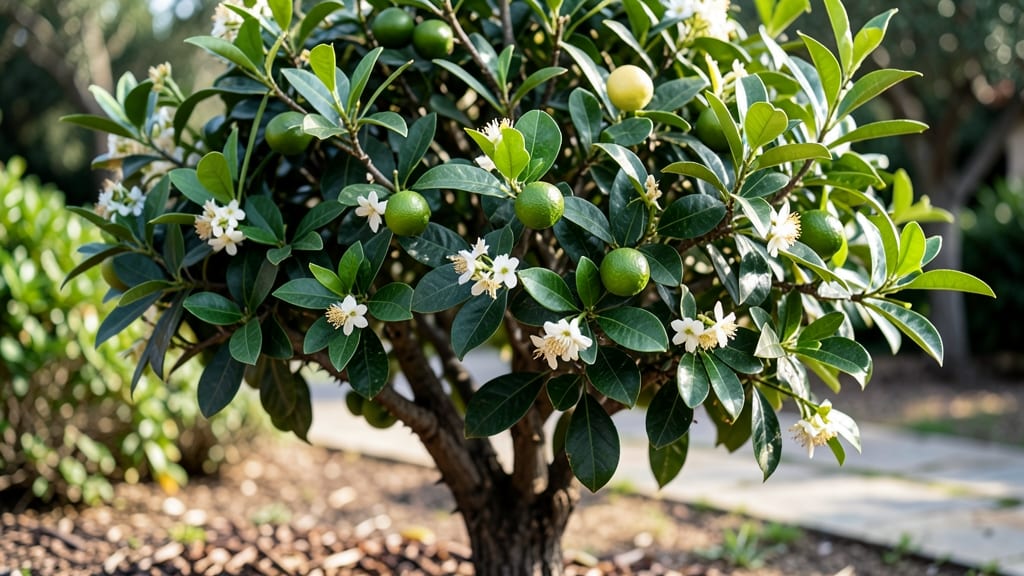
A key lime tree grows to 10–20 feet tall in ideal tropical conditions, but with the right care, you can keep it much smaller—even under 6 feet—without sacrificing fruit.
If you’ve ever dreamed of growing your own key limes but worried about space, you’ll love knowing these trees can thrive in surprisingly compact sizes.
Whether you’re working with a balcony or a backyard, the right variety and pruning techniques make it possible to enjoy 🍋 fresh key limes without a towering citrus giant.
Standard key lime trees reach their full height in 3–5 years, but dwarf or container-grown versions stay manageable. The key is choosing the right rootstock and training the tree early to control its growth naturally.
Below, I’ll break down how to pick the best size for your space, the fastest-growing compact varieties, and pruning tips to keep your tree at your ideal height.


Key lime tree height variations: dwarf vs standard growth patterns
When planning your key lime tree (Citrus aurantifolia), size matters—especially if you're working with limited space. While standard varieties can reach 10 to 20 feet tall, modern grafting techniques and rootstock choices now offer dwarf and semi-dwarf options that stay under 6 feet.
This makes them perfect for containers, patios, or small tropical gardens.
Most key lime trees sold commercially are grafted onto sour orange or trifoliate orange rootstock, which naturally controls height. The rootstock you choose directly impacts how tall your tree will grow.
For example, trifoliate orange rootstock produces semi-dwarf trees (6-8 feet), while sour orange rootstock yields standard-sized trees (10-20 feet).
If space is a concern, opt for container-friendly dwarf varieties or graft your tree onto dwarfing rootstock. These compact trees produce just as many limes as their taller counterparts but require far less yard space. Plus, they’re easier to protect from frost if you live in marginal climates.
One common misconception is that dwarf key lime trees produce fewer limes. In reality, their smaller size doesn’t reduce yield—it just concentrates the fruit on a more manageable branch structure. I’ve grown dwarf trees in 15-gallon containers that produced 50-100 limes per season, just like their larger counterparts.
For container growing, choose a pot that’s at least 18 inches in diameter with drainage holes. Use a well-draining citrus potting mix and repot every 2-3 years to accommodate root growth. Dwarf trees also benefit from regular pruning to encourage bushier growth and better fruit production.
If you’re in a cooler climate (USDA Zones 9-10), even dwarf varieties may need winter protection. Wrap the pot in burlap or frost cloth and move it to a sheltered location during cold snaps. In warmer zones (10-11), these trees thrive outdoors year-round with minimal care.
Remember that pruning affects height—regular trimming keeps trees compact and improves air circulation. I recommend pruning in late winter or early spring before new growth begins. Remove any suckers at the base and shape the canopy to encourage a fuller, bushier tree.
For those with limited space but big dreams, dwarf key lime trees are a game-changer. They deliver the same tropical flavor and productivity as their larger relatives while fitting neatly into small gardens, balconies, or even large pots.
With the right rootstock and care, you can enjoy homegrown key limes without sacrificing valuable outdoor space!
How to choose the right key lime tree size for your space
Choosing the right key lime tree size depends entirely on your available space and growing conditions. While standard varieties can reach 10-20 feet tall, container-grown trees often stay under 6 feet with proper care.
If you're limited to a patio or balcony, dwarf varieties or strategic pruning can keep your tree manageable while still producing abundant fruit.
For in-ground planting, standard key lime trees thrive in spacious yards with full sun exposure. However, even in-ground trees can be shaped through annual pruning to prevent overgrowth.
If you're in a tropical or subtropical climate, you'll have the most success with larger varieties, as they naturally grow taller in ideal conditions.
Here’s how to match your space to the perfect key lime tree size:
-
🪴 Containers/Pots (Under 6 ft)
Ideal for patios, balconies, or small yards. Use 5-gallon pots for young trees and upgrade to 15-gallon containers as they grow. Prune regularly to maintain height and encourage bushier growth. -
🌳 In-Ground Planting (6-10 ft)
Perfect for medium-sized yards or garden beds. Plant 10-15 feet apart from other trees to allow airflow. Prune annually to control height and shape, especially if near structures like fences or roofs. -
🌿 Tropical Climates (10-20 ft)
Standard varieties thrive here with minimal pruning. Ensure full sun and well-draining soil to support their natural height. Mulch around the base to retain moisture and protect roots in hot climates. -
✂️ Pruning for Height Control
Prune in late winter or early spring before new growth begins. Remove 1/3 of the tallest branches to encourage lateral growth. Avoid heavy pruning in summer, as it can stress the tree and reduce fruit production.
If you're growing key limes in containers, remember that root-bound trees grow slower but may produce fewer fruits. Repot every 2-3 years to refresh the soil and give roots more room.
For in-ground trees, focus on soil health—amend with compost or citrus-specific fertilizer to support robust growth without excessive height.
For tropical climates, embrace the tree’s natural size but monitor for pests like aphids or citrus leaf miners. Regular inspections and organic treatments (like neem oil) will keep your tree healthy and productive. Even in larger spaces, pruning can create a manageable canopy while maximizing fruit yield.
No matter your space, key lime trees adapt well with the right care. Start small with containers if needed, then expand as your gardening skills—and tree—grow! With patience and pruning, you’ll enjoy fresh key limes without sacrificing your outdoor space. 🌱