
How To
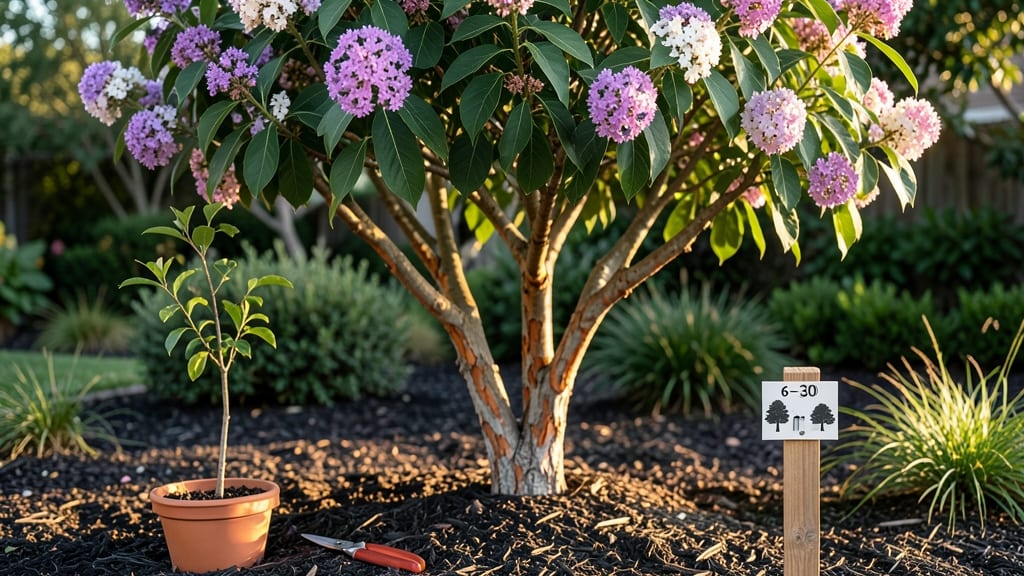
A crape myrtle tree grows anywhere from 6 feet to towering 30 feet tall, depending on the variety you choose — and yes, that means some will fit neatly in a small yard while others need the space of a full backyard.
If you're dreaming of adding a crape myrtle 🌸 to your landscape but aren’t sure whether it’ll dwarf your patio or tower over your roof, you’re in the right place.
These stunning trees come in sizes that range from compact shrubs to towering giants—each with its own unique charm and care requirements.
The key to picking the right size starts with knowing your space. Dwarf varieties like 'Arapaho' stay around 6-8 feet, perfect for small gardens or container growing, while standard types like 'Tonto' can reach 30 feet—ideal for large landscapes or as a privacy screen.
Below, I’ll break down how to choose the perfect height for your yard, how pruning affects growth, and the best varieties for different spaces—so you can enjoy those vibrant blooms without the surprises.


Crape myrtle height guide: dwarf to giant varieties explained
Choosing the right crape myrtle variety depends entirely on your space and vision. Some varieties stay as short as 6 feet, perfect for small yards or container gardening, while others can grow to 30 feet, making them statement pieces for large landscapes.
The key is understanding each type's mature height and growth habits to avoid surprises down the road.
Crape myrtles are famously adaptable, but their final height is largely determined by genetics. Dwarf varieties like 'Arapaho' max out at 6-8 feet, while giants like 'Tonto' can reach 30-40 feet.
Even within the same variety, factors like pruning techniques, sunlight exposure, and soil quality can influence how tall your tree grows over time.
Here's the breakdown you need: from compact shrubs that fit cozy patios to towering trees that shade entire backyards. The comparison table below shows the most popular varieties and their mature sizes, helping you visualize which will thrive in your space.
| Variety | Mature Height | Growth Rate | Best For |
|---|---|---|---|
| 'Arapaho' | 6-8 ft | Slow to Moderate | Small gardens, containers, foundation plantings |
| 'Centennial' | 10-12 ft | Moderate | Medium spaces, urban yards, privacy screens |
| 'Muskogee' | 15-20 ft | Moderate to Fast | Large landscapes, shade trees, focal points |
| 'Tonto' | 30-40 ft | Fast | Rural properties, large estates, street trees |
| 'Natchez' | 20-25 ft | Moderate | Medium to large yards, shade providers |
| 'Sioux' | 12-15 ft | Slow to Moderate | Small to medium spaces, container growing |
The 'Arapaho' variety is my go-to for small spaces. It stays under 8 feet tall, making it perfect for patios or as a foundation plant. Its slow growth rate also means less pruning over time, which is a win for busy gardeners.
Just ensure it gets full sun—this variety blooms best with 6+ hours of sunlight daily.
For those with more room, 'Muskogee' and 'Natchez' strike the perfect balance. These medium-height varieties (15-25 feet) provide shade while still fitting in most suburban yards. They grow faster than dwarf types, so you'll see noticeable height gains within just a few years of planting.
If you're aiming for a statement tree, 'Tonto' is the giant of the crape myrtle world. This variety can reach 40 feet or more, making it ideal for rural properties or as a street tree.
Just be prepared for its rapid growth—you may need to prune annually to maintain its shape and prevent it from outgrowing its space.
One common question I hear is whether pruning affects height. The answer is yes! Regular pruning can control height and encourage bushier growth.
For dwarf varieties, I recommend light pruning to maintain their compact shape, while taller varieties benefit from structural pruning to manage their height and remove dead wood.
Another factor to consider is your climate zone. Crape myrtles thrive in USDA zones 7-9, but their growth rate can vary. In warmer climates, they may grow faster and reach mature height sooner.
In cooler zones, expect slightly slower growth. Always check your local last frost date before planting to give your tree the best start.
When planting, remember that spacing matters. Dwarf varieties need 6-10 feet of space, while standard trees require 15-20 feet to avoid crowding. Proper spacing ensures good airflow, reducing the risk of diseases like powdery mildew and promoting healthier growth.
Whether you're after a compact accent plant or a towering shade tree, there's a crape my
How to choose the right crape myrtle size for your space
Selecting the perfect crape myrtle size for your yard isn’t just about aesthetics—it’s about balancing space constraints, sunlight exposure, and your willingness to maintain it.
A 6-foot dwarf variety might fit snugly in a small courtyard, while a 30-foot giant could become a stunning focal point in a spacious backyard. Let’s break down how to match your space with the right tree.
Start by measuring your available planting area and considering nearby structures. A 12-foot semi-dwarf needs at least 8 feet of clearance from buildings and power lines, while a 25-foot standard requires 15-20 feet of open space.
Always err on the side of extra room—crape myrtles grow faster than you might expect!
Sunlight is another critical factor. All crape myrtles thrive in full sun (6+ hours daily), but taller varieties may cast longer shadows that could affect nearby plants. If your yard has partial shade, opt for a dwarf or semi-dwarf variety like 'Arapaho' or 'Centennial Spirit,' which tolerate 4-6 hours of sun better than their towering cousins.
- 🌱 Dwarf Varieties (6-12 ft): Perfect for small patios, container gardens, or foundation plantings. Examples: 'Arapaho' (6-8 ft), 'Centennial Spirit' (6-8 ft).
- 🌳 Semi-Dwarf Varieties (12-18 ft): Ideal for medium-sized yards or as privacy screens. Examples: 'Muskogee' (12-15 ft), 'Tonto' (15-18 ft).
- 🌿 Standard Varieties (20-30 ft): Best for large backyards, street trees, or landscaping focal points. Examples: 'Natchez' (20-25 ft), 'Mimosa' (25-30 ft).
Pro Tip: Always check the mature height on the tag—nursery labels often list minimum sizes, but growth can exceed expectations!
Don’t overlook pruning strategies to control height naturally. For standard varieties, prune in late winter to remove water sprouts and shape the canopy. For dwarf varieties, a light trim after flowering keeps them compact without stunting growth. Avoid over-pruning, which can reduce blooms and weaken the tree.
Consider your maintenance preferences too. Taller crape myrtles may require a ladder or pruning saw, while dwarf varieties are perfect for low-maintenance gardens. If you love seasonal color but hate high upkeep, a semi-dwarf variety like 'Muskogee' offers a happy medium—vibrant blooms with manageable size.
Finally, think about future growth. Even dwarf varieties can grow 2-3 feet taller over a decade, so plan ahead. If you’re unsure, start with a smaller variety—you can always transplant a young crape myrtle if it outgrows its spot (though they dislike root disturbance).
With the right size selection and a little foresight, your crape myrtle will thrive for decades, adding year-round interest with its blooms, bark, and fall color. Happy planting! 🌸