
How To
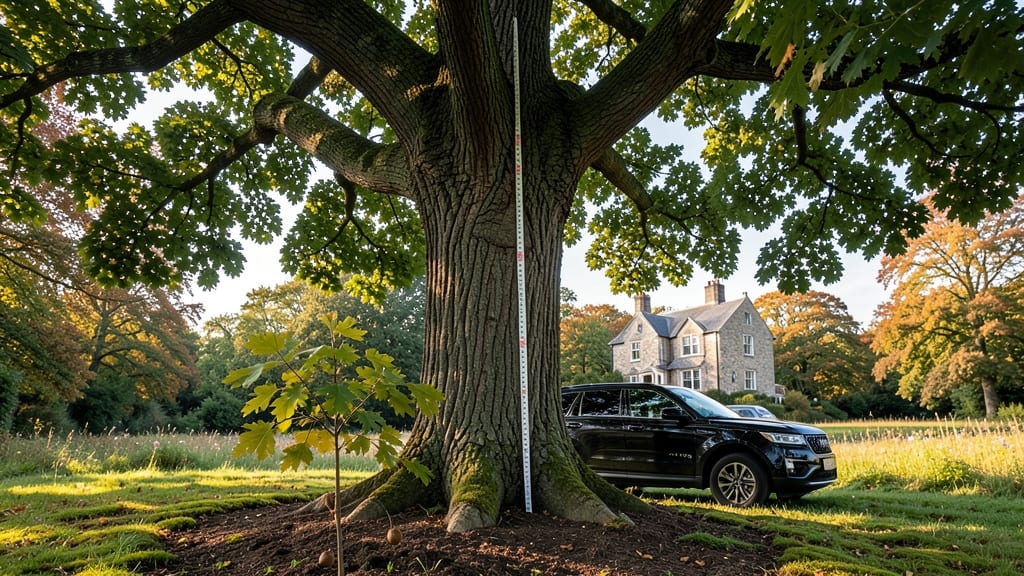
How tall can an oak tree grow? The answer might surprise you—some towering species reach heights of over 100 feet under ideal conditions, making them one of nature’s true giants.
If you’ve ever wondered whether your backyard could someday host a towering oak tree 🌳, the answer might surprise you—some species reach heights that dwarf even the tallest buildings.
Whether you’re dreaming of a shade-providing sentinel or just curious about the limits of these majestic trees, understanding their growth potential is key.
Not all oaks grow equally tall, though. White oaks can stretch toward the sky with heights of 70 to 100 feet, while red oaks often max out around 60 to 80 feet.
Live oaks, native to warmer climates, can even surpass 100 feet in the right conditions—think Florida or Texas.
In this guide, we’ll break down the height ranges of different oak species, the factors that influence their growth, and how you can encourage your own oak tree to reach its full potential—whether that’s a modest shade tree or a future skyline rival.


Maximum heights of oak tree species: from dwarfs to giants
Oak trees are among nature’s most majestic giants, with some species reaching heights that put skyscrapers to shame. Whether you're dreaming of a century-old white oak in your backyard or simply curious about the tallest oak species, understanding their growth potential is key.
From the towering coast live oak to the stately bur oak, each variety has its own impressive ceiling.
Most oak trees fall into the medium to giant size category, but a few dwarf varieties exist for smaller spaces. The maximum height an oak can reach depends on species, climate, and growing conditions.
Let’s explore the extremes—from the shortest to the absolute giants—so you can choose the perfect oak for your landscape.
The white oak holds the record for the tallest oak species, with some specimens reaching 130 feet in ideal conditions.
These giants often thrive in moist, well-drained soils and are commonly found in the eastern U.S. Their slow growth means they can live for hundreds of years, making them a long-term investment for any landscape.
If you're in a coastal climate, the coast live oak might be your best bet. Native to California, this species can grow 100 feet tall and spreads even wider, creating a stunning shade canopy.
Its drought tolerance makes it perfect for arid regions, though it prefers well-draining soil to avoid root rot.
For smaller spaces, consider dwarf oak varieties, which max out around 25 feet. These are genetically modified or grafted to stay compact while retaining the classic oak look. They’re ideal for urban gardens or as focal points in tight yards where space is limited.
Climate plays a huge role in oak growth. In USDA Zone 9
Climate zones that influence oak tree growth height
Oak trees thrive in diverse climates, but their maximum height varies dramatically depending on USDA climate zones. In cooler zones (3-5), white oaks often grow 80-100 feet tall thanks to slow, steady growth and nutrient-rich soils.
Meanwhile, in warmer zones (7-9), live oaks can reach similar heights but with broader canopies due to year-round growth potential.
The tallest recorded oaks—like the 148-foot-tall white oak in Michigan—occur in USDA Zone 4, where cold winters slow early growth but promote strong structural development. In contrast, Zone 9's live oaks rarely exceed 90 feet due to heat stress and soil limitations, despite their rapid early growth.
| USDA Zone | Average Oak Height | Key Climate Factors | Record Height Example |
|---|---|---|---|
| 3-4 | 60-80 ft | Short growing season, acidic soils | White Oak (MN) - 120 ft |
| 5-6 | 80-100 ft | Moderate rainfall, deep loam | Bur Oak (WI) - 148 ft |
| 7-8 | 70-90 ft | Hot summers, calcareous soil | Live Oak (FL) - 95 ft |
| 9 | 60-75 ft | Drought stress, poor drainage | Valley Oak (CA) - 80 ft |
Soil type plays a critical role—deep, well-drained loam in Zone 5 produces the tallest specimens, while clay-heavy soils in Zone 8 limit growth to 60-70 feet. The 148-foot bur oak in Wisconsin thrives because its cold winters create ideal wood density for height.
In arid zones (Zone 9), oak trees compensate for water scarcity by growing wider canopies rather than taller trunks. For example, Valley oaks in California rarely exceed 80 feet due to limited water availability and competition with native grasses.
To maximize height, plant white oaks in Zones 4-6 where cool nights and warm days create optimal growth conditions. Avoid Zone 9 for height-focused planting—prioritize live oaks there for shade and spread instead.
Remember: Pruning young oaks for height can backfire—removing too many branches reduces canopy support, limiting eventual height. Let nature guide the growth in ideal zones for maximum results. 🌳