Propagation
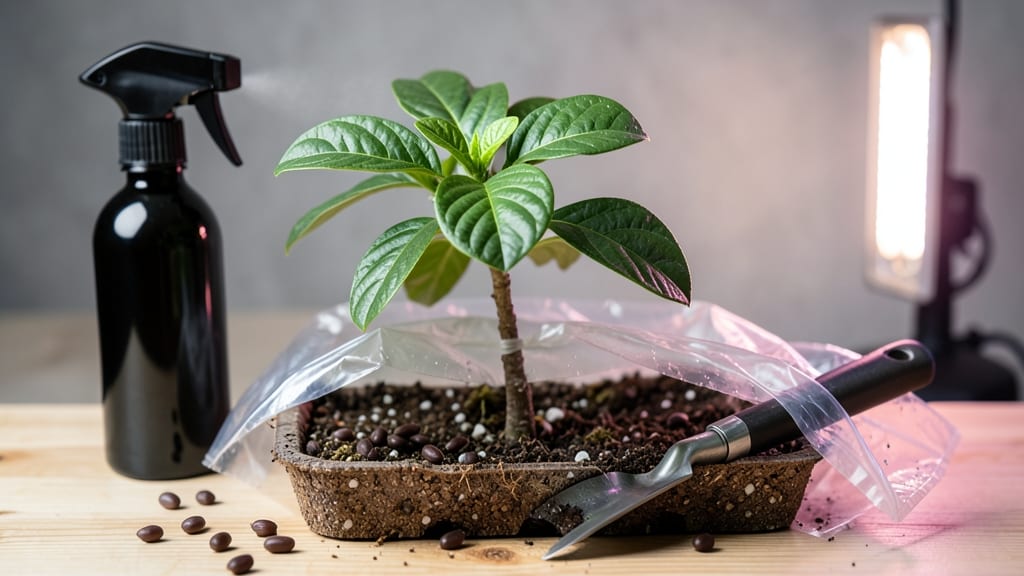
Growing a guava tree from seed means years of patience—but the first sweet, fragrant fruit makes it worth every wait. 🌱 I’ve started dozens of guava seeds, and the ones that thrive begin with a few simple tricks most guides skip.
The key isn’t forcing speed; it’s creating the right conditions for nature to take its time.
You’ll need ripe guava seeds (from a store-bought or homegrown fruit), a warm spot with indirect light, and a mix of potting soil and perlite to keep roots from rotting.
Germination can take 2-4 weeks—sometimes longer—so don’t give up if nothing happens right away. The secret? Keep the soil moist but not soggy and maintain temperatures above 70°F.
Once sprouts appear, you’ll watch tiny leaves unfurl into sturdy seedlings that’ll eventually grow into a tree bearing juicy, tropical fruit.
The first year is all about nurturing strong roots and branches, but by year three, you’ll see real growth—6-12 inches per season—if you keep them in full sun and well-drained soil.
Troubleshooting slow starts? Try soaking seeds overnight before planting or using a heat mat to speed things along. Patience pays off: a homegrown guava tree can live for decades, rewarding you with harvests that taste nothing like store-bought fruit. Ready to begin?
📚 In This Guide
- What you need
- Instructions
- Tips and common mistakes
- Wrapping up and next steps
What you need
- ● Guava seeds: 3–5 fresh, plump seeds (harvested from ripe guava fruit—avoid overripe or fermented ones). Pro tip: 💡 Rinse seeds to remove pulp before planting!
- ○ Biodegradable seedling pots or small containers: 3–5 (4–6 inches deep) with drainage holes. Optional: Paper towels or damp coffee filters for initial germination.
- ● Well-draining potting mix: 1–2 bags (sterilized, seed-starting blend or a mix of peat moss, perlite, and coco coir). ✨ Avoid garden soil—it’s too dense for tiny seeds!
- ● Plastic wrap or humidity dome: 1 sheet (to create a mini greenhouse effect).
- ● Spray bottle: 1 (for gentle watering).
- ○ Heat mat (optional but helpful): 1 (70–85°F range) to speed up germination.
- ● Small hand trowel or spoon: 1 (for planting seeds gently).
- ○ Fine mist sprayer (optional): 1 (if your spray bottle isn’t gentle enough).
- ● Grow lights or sunny windowsill: Access to 6+ hours of indirect light daily.
- ● Larger pots (6+ inches): 1–2 (for transplanting seedlings once they sprout).
- ● Fertilizer (balanced, water-soluble): 1 small bottle (diluted to half-strength for seedlings).
- ● Patience: Germination can take 2–4 weeks (or longer!).
- ● Warmth: Guava seeds thrive in 70–90°F (21–32°C)—keep them cozy!
- ● Consistency: Maintain moist (not soggy) soil and humidity.
Step-by-step instructions for growing guava trees from seed
Here's how I've learned to coax these tropical beauties from seed—patience is key, but the results are worth it.
🌱 Step 1: Extract and Prepare the Seed
Guava seeds are encased in a thick, fibrous pulp that slows germination. Start by scooping out the seeds from a fresh guava fruit and rinsing them thoroughly under cool water to remove all fruit residue. This ensures nothing will rot during the germination process.
I like to soak the seeds in warm water for 24 hours to soften the outer coating. This step is crucial—without it, germination can take 3-4 weeks instead of the usual 2-3 weeks. After soaking, gently rub the seeds between your fingers to remove any remaining pulp. You'll see the seed's natural color emerge once it's clean.
💧 Step 2: Plant the Seeds in a Moist, Well-Draining Medium
Fill a small pot or seed tray with a light, well-draining mix—I use a blend of 50% peat moss and 50% perlite for this purpose. The mix should be moist but not soggy; squeeze a handful to check—it should hold its shape without dripping water.
Plant the seeds about ½ inch deep in the soil, spacing them 2 inches apart if using a tray. Cover them lightly with additional mix, then mist the surface with water until evenly damp. Place the tray in a warm spot, ideally 75-85°F, like on top of a refrigerator or near a sunny window.
☀️ Step 3: Maintain Warmth and Humidity for Germination
Guava seeds need consistent warmth and humidity to sprout. I cover the tray with a clear plastic dome or wrap it in plastic wrap to trap moisture. Check the soil daily—it should stay damp but never wet. If the surface feels dry, mist lightly again.
Germination usually starts in 10-20 days, but some seeds may take longer. Once you see the first signs of sprouts, remove the cover immediately to prevent fungal growth. Keep the seedlings in bright, indirect light at first—they're sensitive to harsh sunlight until they've developed a few true leaves.
🌿 Step 4: Transplant Seedlings to Individual Pots
When seedlings reach about 3-4 inches tall and have 2-3 sets of true leaves, it's time to transplant them into their own 4-inch pots. Use the same light, well-draining mix you started with. Gently remove the seedlings from the tray, keeping the root ball intact, and place them in their new pots.
Water lightly after transplanting to help the soil settle around the roots. Place the pots in a spot with bright, indirect light for the first week. Gradually introduce them to more sunlight over the next few weeks. Avoid fertilizing at this stage—young guava seedlings are sensitive to nutrients and can burn easily.
⏰ Step 5: Gradually Acclimate to Outdoor Conditions
Once seedlings are 6-8 inches tall and have developed a sturdy stem, they're ready for outdoor hardening. Start by placing them outside in a sheltered spot for 1-2 hours the first day, then gradually increase their time outdoors over 10-14 days. This slow transition helps them adjust to wind, sun, and temperature changes.
After hardening, transplant them to their permanent location in well-draining soil with plenty of organic matter. Guava trees thrive in full sun, so choose a spot with at least 6-8 hours of direct sunlight daily. Water deeply after planting to encourage root growth, and avoid overwatering—guava trees are drought-tolerant once established.
Tips & tricks for perfect guava tree germination
Here's what nobody tells you about growing guava trees from seed—these tricks will help you avoid the most common pitfalls.
Soaking Strategy: That 24-hour soak in warm water is your secret weapon. I use a glass jar with warm (not hot) water to keep the seeds submerged. If you're impatient, you can soak them for up to 48 hours—just don't exceed that, or the seeds may start to rot. The key is maintaining that warm temperature consistently throughout the soaking period.
Medium Mix Matters: The 50% peat moss and 50% perlite blend is ideal, but if you don't have perlite, you can substitute it with coarse sand or even small gravel. The critical factor is drainage—guava seeds rot quickly if they sit in soggy conditions. I like to add a handful of orchid bark to the mix for extra air circulation around the roots.
Germination Timing: The 10-20 day window is just an estimate—some seeds sprout in 7 days, others take 30. If you don't see sprouts after 20 days, gently check by pressing lightly on the soil. If it feels firm and you don't see any resistance, the seed may have failed to germinate. Don't give up—guava seeds have variable germination rates, and sometimes you need to try multiple seeds to get reliable results.
Light Transition: When moving seedlings from bright indirect light to direct sunlight, do it gradually over 2-3 weeks. I start by placing them near an east-facing window where they get morning sun, then slowly move them to sunnier spots. Sudden exposure to full sun can scorch young leaves—this is especially important during the first few weeks after transplanting to individual pots.
Pro Tips for Guava Tree From Seed
- Here's what nobody tells you about growing guava trees from seed—these tricks will help you avoid the most common pit...
- Soaking Strategy: That 24-hour soak in warm water is your secret weapon. I use a glass jar with warm (not hot) water ...
- Medium Mix Matters: The 50% peat moss and 50% perlite blend is ideal, but if you don't have perlite, you can substitu...
Frequently asked questions
Got questions about growing a guava tree from seed? You’re not alone—this rewarding (but slow!) process has a few quirks. Here are answers to the most common ones to help you stay on track.
How long does it take for a guava seed to germinate?
Patience is key! Guava seeds typically take 2–4 weeks to sprout, but some may take up to 2 months. Keep the soil warm (70–85°F) and moist—consistency is more important than speed. If nothing happens after 6 weeks, gently check for rot or replant.
Can I speed up germination?
Yes! Try soaking seeds in warm water for 24–48 hours before planting to soften the outer shell. For faster results, use a seedling heat mat (75–85°F) or place the pot in a sunny windowsill. Just avoid overwatering—dampness without airflow can delay sprouting.
What if my seedling grows too slowly?
Guava seedlings are naturally slow—don’t rush! Ensure it gets bright, indirect light (no harsh sun) and well-draining soil. If growth stalls, check for pests (like spider mites) or nutrient deficiencies. A balanced fertilizer (10-10-10) every 2–3 months can help after 6 months.
Will my homegrown guava tree bear fruit?
Most likely, but not immediately. Seed-grown trees take 3–5 years to fruit (vs. 1–2 years for grafted trees). For faster results, consider grafting a fruiting variety onto your seedling later. Even if fruit is small at first, patience pays off—mature trees produce hundreds of guavas per season!
Can I grow a guava tree indoors?
Possible, but challenging. Guavas need 6+ hours of sunlight daily, so a south-facing window or grow lights are a must. If indoors, keep temps above 60°F and prune aggressively to manage size. Outdoors (in USDA Zones 9–11) is ideal for long-term success.
What if my seed doesn’t sprout?
Don’t give up! Try these fixes:
- Test viability: Cut open the seed—if it’s hard and white inside, it’s viable.
- Replant: Some seeds need stratification (cool, moist period). Place seeds in a plastic bag with damp paper towels in the fridge for 2–4 weeks before replanting.
- Try a new seed: Store-bought guava seeds (from organic fruit) often germinate better than wild seeds.
Wrapping up and next steps
Growing a guava tree from seed is a rewarding journey that blends patience with the joy of nurturing life. While the process demands time and care, the sweet, fragrant reward makes it all worthwhile!
Whether you’re a beginner or a seasoned gardener, your dedication will soon bloom into a thriving tree—ready to gift you tropical delights for years to come.
Ready to take the next step? Start with a single seed today and watch your green thumb grow stronger with every watering. Share your progress with fellow plant enthusiasts or explore advanced techniques like grafting to supercharge your guava tree’s potential. Happy growing! 🌱