
Propagation
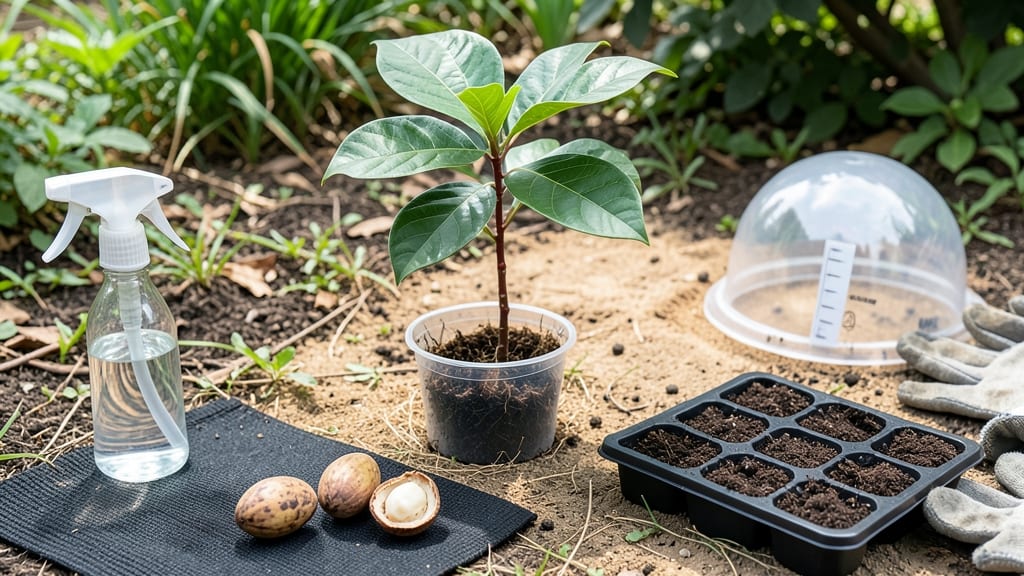
Growing a guava tree from seed means tropical fruit on your table in just 6 weeks—though the real magic takes years. 🌱 The process starts with a single seed, but what you end up with is a tree that could live for decades, bearing fruit only if you're patient enough to wait.
I learned the hard way that seed-grown guavas fruit later than grafted trees, but the journey is worth it for that first homegrown taste.
You’ll need 3 things to begin: fresh guava seeds (save them from ripe fruit), a small pot with well-draining soil, and a warm spot with bright, indirect light. The soil mix should be light and airy—think 60% potting soil and 40% perlite or sand—to prevent rot.
Most people rush this step, but proper drainage is what keeps your seedling alive through the first critical weeks.
Once your seed sprouts (usually in 7-21 days), you’ll watch a tiny shoot push through the soil. Keep the soil consistently moist but never soggy, and place your pot where it gets 6+ hours of sunlight daily.
Within 6 weeks, you’ll have a sturdy seedling ready for transplanting—though it’ll need 3-5 years before it’s mature enough to fruit. That’s the trade-off for growing your own.
Here’s the secret: guava trees grown from seed are hardier than nursery-bought ones, resistant to pests and diseases that plague grafted varieties. The first year is about building strong roots; the next few are about nurturing growth.
By year 5, you’ll finally taste the reward—sweet, fragrant guavas straight from your own backyard.
📚 In This Guide
- What you need
- Instructions
- Tips and common mistakes
- Wrapping up and next steps
What you need
- ● Guava seeds: Fresh, firm seeds from a ripe guava fruit (1–5 seeds per pot). Pro tip: 💡 Rinse seeds to remove pulp before planting!
- ● Seed-starting pots or small containers: 3–4 inch diameter (biodegradable pots or plastic cups with drainage holes).
- ○ Well-draining potting mix: A blend of peat moss, perlite, and coco coir (or a seed-starting mix). Optional: Add a handful of sand for extra drainage.
- ● Drainage tray or saucer: To catch excess water and prevent root rot.
- ● Spray bottle: For gentle watering (avoids disturbing seeds).
- ● Clear plastic wrap or humidity dome: Keeps moisture high while seeds germinate.
- ● Grow lights or sunny windowsill: Guava seeds need warmth (70–85°F) and bright, indirect light.
- ○ Fertilizer (optional): A balanced, water-soluble fertilizer (5-5-5 NPK) for seedlings after 4–6 weeks.
- ● Warm climate or indoor growing space: Guava trees thrive in tropical conditions (USDA Zones 9–11). If indoors, ensure a sunny spot or grow lights.
- ● Patience: Germination can take 2–6 weeks—consistency is key!
- ● Space for transplanting: Seedlings will need larger pots (1–2 gallons) as they grow.
Step-by-step instructions for growing guava trees from seed
Here's how to turn a single guava seed into a thriving young tree in just six weeks.
🌱 Step 1: Select and Prepare the Guava Seeds
Choose fresh guava seeds from a ripe, organic fruit. I always save seeds from the juiciest, fully ripe guavas—these produce the fastest-growing seedlings. Rinse the seeds thoroughly to remove all fruit residue, then spread them on a paper towel to air-dry for 24 hours at room temperature.
This drying step prevents mold and rot during germination. You'll know they're ready when the outer coating feels slightly crisp to the touch. Store the dried seeds in a sealed container until you're ready to plant them—guava seeds stay viable for up to 6 months if kept dry and cool.
💧 Step 2: Soak Seeds for Faster Germination
Place the dried seeds in a bowl of lukewarm water and let them soak for 24-48 hours. You'll see the seeds swell noticeably—this softens the hard outer shell and speeds up germination. Change the water every 12 hours to prevent bacterial growth, which can rot the seeds before they sprout.
I always soak seeds in a clear glass bowl so I can watch them swell. This step is crucial—guava seeds have tough coats that can delay germination by weeks if not pre-treated. After soaking, drain the water completely and let the seeds sit for another 30 minutes to prevent waterlogging when planted.
☀️ Step 3: Plant the Seeds in a Warm, Moist Environment
Fill a small seedling tray or 4-inch pots with a light, well-draining potting mix (I use a blend of 50% peat moss and 50% perlite). Plant each seed ½ inch deep, spacing them 2 inches apart to allow room for growth. Gently press the soil around the seeds to ensure good contact but don't compact it.
Cover the tray or pots with a clear plastic dome or wrap them in plastic wrap to create a humidity tent. Place them in a warm spot with a constant temperature of 75-85°F—a seedling heat mat works wonders if your home runs cooler. Guava seeds typically germinate in 7-14 days, but warmth is key to speeding up this process.
🌿 Step 4: Provide Light and Care for Seedlings
Once the seeds sprout, remove the plastic cover immediately to prevent damping-off disease, which causes seedlings to collapse. Place the tray under bright, indirect light for the first 2 weeks—direct sunlight can scorch tender young leaves. After this period, gradually introduce 4-6 hours of morning sun daily to harden the seedlings.
Water the seedlings gently from the bottom by placing the tray in a shallow dish of water for 10-15 minutes. This method ensures the roots absorb moisture without disturbing the soil. You'll know they're getting enough water when the top ½ inch of soil feels slightly damp but not soggy. Fertilize lightly with a balanced liquid fertilizer (10-10-10) once the seedlings develop their second set of true leaves.
⏰ Step 5: Transplant and Continue Growth
After 6-8 weeks, when the seedlings reach 6-8 inches tall and develop 4-5 sets of true leaves, it's time to transplant them into individual 1-gallon pots. Use the same light, well-draining potting mix and plant each seedling at the same depth it was growing in the tray. This prevents transplant shock and encourages strong root growth.
Continue providing bright, indirect light and gradually increase sunlight exposure over the next 2 weeks. Guava trees thrive in full sun (6+ hours daily), but young seedlings need time to adjust. Water deeply once a week, allowing the top 1-2 inches of soil to dry out between waterings. This routine builds drought tolerance, which is essential for guava trees as they mature.
Tips & tricks for growing guava trees from seed
Here's what I've learned from growing dozens of guava trees—these little details make all the difference between a thriving seedling and a sad, wilted disappointment.
Seed Selection Matters: Don't just grab any guava seeds! Choose seeds from the juiciest, fully ripe guavas—these produce the fastest-growing seedlings. I've noticed that seeds from organic guavas germinate more reliably than conventional ones, likely due to fewer chemical residues.
Soaking Secrets: During the 24-48 hour soak, change the water every 12 hours to prevent bacterial growth. I use a clear glass bowl so I can watch the seeds swell—it's fascinating to see how much they expand! After draining, let them sit for 30 minutes before planting to prevent waterlogging, which can rot the seeds before they even sprout.
Temperature Control: Guava seeds need consistent warmth of 75-85°F to germinate properly. If your home runs cooler, invest in a seedling heat mat—it's a game-changer for speeding up germination. I've seen seeds sprout in just 7 days with proper heat, compared to 3 weeks without it. Place your humidity tent on top of the heat mat for double the effectiveness.
Light Transition Strategy: When moving seedlings from bright indirect light to direct sun, do it gradually over 2 weeks. I start with just 4-6 hours of morning sun and slowly increase exposure. Sudden full sun can scorch delicate leaves—think of it like giving your seedlings a tropical vacation, not a desert trek!
Pro Tips for Grow Guava Tree From Seed
- Here's what I've learned from growing dozens of guava trees—these little details make all the difference between a th...
- Seed Selection Matters: Don't just grab any guava seeds! Choose seeds from the juiciest, fully ripe guavas—these prod...
- Soaking Secrets: During the 24-48 hour soak, change the water every 12 hours to prevent bacterial growth. I use a cle...
Frequently asked questions
Got questions about growing guava trees from seed? You’re not alone! Here are some of the most common concerns—and their simple solutions—to help you succeed.
How long does it take for a guava seed to sprout?
A guava seed typically sprouts within 10–21 days if kept in warm, moist conditions. Patience is key—some seeds may take longer, especially if stored improperly. Keep the soil consistently damp (not soggy) and place the pot in a warm spot (70–85°F) for best results.
Can I grow a guava tree indoors?
Yes, but with caveats! Guava trees thrive outdoors in tropical climates, but you can grow them indoors if you provide:
- A sunny windowsill or grow light (6+ hours of light daily).
- Well-draining soil and a pot with drainage holes.
- Humidity (mist leaves or use a pebble tray).
- Patience—indoor trees grow slower and may not fruit as reliably.
For fruit production, transplant seedlings outdoors once they’re established (after the last frost).
Why isn’t my guava seed germinating?
If your seed isn’t sprouting, check these common issues:
- Cold soil: Guava seeds need warmth—try a heat mat or place the pot near a sunny window.
- Dry soil: Keep the soil consistently moist (not waterlogged).
- Old or damaged seeds: Test freshness by soaking seeds overnight—if they float, they’re likely dead.
- No stratification: Unlike some seeds, guava seeds don’t need cold treatment; they germinate best in warmth.
If all else fails, try nicking the seed coat lightly with a knife to encourage germination.
How do I know if my guava seedling is healthy?
A healthy guava seedling has:
- Bright green leaves (yellow or brown = overwatering or nutrient deficiency).
- Strong, upright stems (weak or leggy = needs more light).
- New growth (slow growth = may need fertilizer or better sunlight).
Watch for pests like aphids or fungal spots—remove affected leaves and treat with neem oil if needed.
Can I eat fruit from a seed-grown guava tree?
Yes! While seed-grown trees may take 3–5 years to bear fruit (vs. 1–2 years for grafted trees), the fruit is just as delicious. However, expect variation in taste and size—seedlings may not match the parent tree’s traits. For consistent quality, consider grafting later or buying a named variety.
Wrapping up and next steps
Growing a guava tree from seed is a rewarding journey that blends patience with tropical promise! 🌱 With the right care—sunlight, well-draining soil, and a little love—you’ll watch your tiny seedling transform into a fruit-bearing beauty in just 6 weeks.
Remember, consistency is key, and soon you’ll be harvesting sweet, fragrant guavas straight from your own backyard.
Now that you’re armed with tips and tricks, why not share your progress? Snap photos, track growth, and inspire others to try their hand at tropical gardening. Happy planting—your future guava tree is waiting! 🌟