
Pests and Diseases
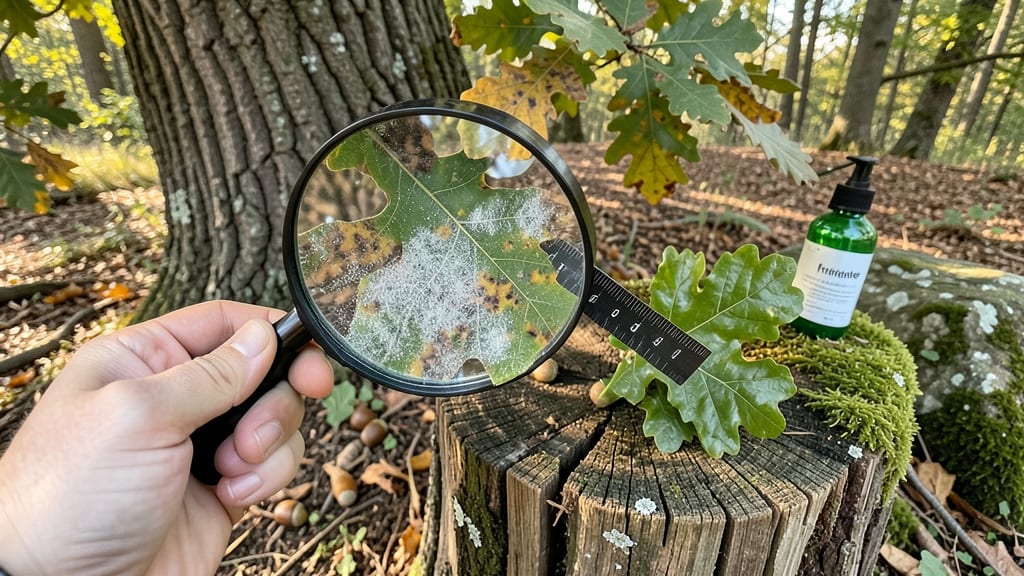
Fuzzy gray patches on your oak leaves aren’t just unsightly—they’re a sign your tree is trying to tell you something. 🌿 I’ve spent years watching oak trees fight back against fungal growths, and the good news is you can often restore them without harsh chemicals.
The key is identifying what’s actually growing there first.
Most of those growths are harmless lichens or mosses, but powdery mildew or anthracnose can weaken your tree if left unchecked. The texture tells the story: lichens feel velvety, moss stays damp, while fungal spots often turn leaves yellow or brown at the edges.
I once mistook mildew for lichen—until my tree started dropping leaves in July.
Natural solutions like neem oil or a baking soda spray can clear fungal infections in just 2-3 weeks, while pruning out affected branches keeps the tree healthy. The secret is acting before the growth spreads to new leaves—once it does, the tree’s energy shifts from growth to defense.
This works for red oaks, white oaks, and even young saplings. The same principles apply whether you’re dealing with a single branch or the whole canopy. Let’s get your oak back to its strong, vibrant self.
Root Causes Of Leaf Growth
Understanding why abnormal growth appears on oak tree leaves starts with recognizing that these changes are rarely random—they’re signals from nature, often triggered by microscopic invaders or environmental stress. Let’s break down the most common culprits and their scientific mechanisms.
Fungi are the primary culprits behind unusual leaf growth on oak trees, often leading to conditions like anthracnose, powdery mildew, or leaf blister. These pathogens thrive in moist, shaded environments and exploit weak tree defenses.
- How it works: Fungal spores land on leaves, germinate, and penetrate the leaf surface using enzymes that break down cell walls.
Once inside, they form hyphae (thread-like structures) that spread nutrients from the leaf to the fungus, causing distorted growth, discoloration, or even premature leaf drop. - Key triggers: - Prolonged leaf wetness (e.g., morning dew, rain, or overhead irrigation). - Poor air circulation (dense foliage or overcrowded trees). - Stressed trees (nutrient deficiencies, drought, or compacted soil). - Actionable clue: Look for velvety white patches (powdery mildew), dark sunken spots (anthracnose), or blister-like bumps on leaf undersides.
Some insects don’t just eat leaves—they alter them. Gall wasps, aphids, and mites inject saliva or lay eggs that trigger abnormal cell growth, forming galls (swollen, hardened leaf tissue).
- How it works:
- Gall wasps inject chemicals that stimulate oak cells to multiply uncontrollably, creating round, spiky, or pouch-like galls.
- Aphids and mites feed on sap, weakening leaves and causing curling or cupping, which can mimic fungal damage.
- Key triggers:
- Young, tender leaves (prime targets for gall wasps in spring).
- Over-fertilized trees (excess nitrogen attracts sap-sucking pests).
- Actionable clue: Inspect leaf undersides for tiny insects, sticky residue (honeydew), or distinct gall shapes (e.g., oak apple galls, which look like small apples).
Extreme or inconsistent conditions can weaken oaks, making them susceptible to opportunistic growth—like edge disease (a fungal complex) or nutritional disorders.
- How it works:
- Drought stress reduces the tree’s ability to photosynthesize, leading to chlorotic (yellowing) patches or stunted growth.
- Temperature swings (e.g., late spring frosts) can damage emerging leaves, causing deformed or crinkled edges.
- Soil compaction or poor drainage limits root access to water/nutrients, triggering leaf curling or scorch.
- Key triggers:
- Urban environments (heat islands, pollution, or soil sealing).
- Recent transplanting (shock disrupts nutrient uptake).
- Actionable clue: Check for symmetrical damage (e.g., only new leaves affected) or soil that’s hard or waterlogged.
Oak trees need a precise balance of nitrogen, phosphorus, and micronutrients. Too little or too much can lead to abnormal leaf growth, often confused with disease.
- How it works:
- Excess nitrogen promotes soft, light-green leaves prone to fungal infections.
- Magnesium deficiency causes interveinal chlorosis (yellowing between veins), mimicking disease.
- Boron or zinc deficiencies lead to distorted, brittle leaves or dieback.
- Key triggers:
- Over-fertilization (especially with synthetic nitrogen).
- Depleted soil (common in sandy or acidic soils).
- Actionable clue: Test leaves for uniform discoloration (e.g., yellowing only on older leaves = nitrogen deficiency) or stunted growth despite lush foliage.
💡 Pro Tip: Before treating, identify the growth pattern—is it fuzzy, spiky, curled, or discolored? Snap a photo and compare it to University of Minnesota’s oak disease guide for a faster diagnosis.
Fixing Fungal Folly on Oak Leaves
Fungal growth on oak tree leaves can feel like a losing battle, but with the right approach, you can restore your tree’s health—naturally and effectively. Below, we’ve mapped out practical, step-by-step solutions tailored to the most common causes, from mildew to blight.
Each fix includes prevention tips to keep your oak thriving long-term.
Cause: High humidity, poor airflow, or overwatering creates the perfect breeding ground for powdery mildew or downy mildew. Fix:
- 🔥 Prune for Airflow – Thin out dense branches to improve circulation. Aim for 20-30% less foliage in problem areas.
- 🍳 Homemade Spray Solution – Mix 1 tbsp baking soda + 1 tsp dish soap + 1 gallon water in a spray bottle. Apply early morning or late evening to avoid leaf burn.
- 👨🍳 Neem Oil Treatment – Combine 1 tbsp neem oil + 1 tsp mild soap + 1 quart water. Spray every 7-10 days until symptoms fade.
- ⏰ Water Wisely – Water deeply at the base (not overhead) and only in the morning to allow leaves to dry quickly.
💡 Prevention Tip: Space oak trees at least 15 feet apart to reduce humidity buildup. Mulch with wood chips (not plastic) to regulate soil moisture.
Cause: Wet leaves, nutrient deficiencies, or stress from drought/sunburn trigger blight (e.g., anthracnose or leaf spot). Fix:
- 🔪 Remove Infected Leaves – Wear gloves and prune away blackened or spotted leaves with sterilized shears. Dispose of them in the trash (not compost).
- 🥘 Copper Fungicide (Optional) – For severe cases, use an organic copper fungicide (like Bordeaux mix) once every 2 weeks until new growth appears.
- 🌱 Boost Soil Health – Test soil pH (ideal: 6.0–7.0 for oaks). Amend with compost or aged manure to improve nutrient uptake.
- 🌡️ Adjust Watering – Let the top 2 inches of soil dry between waterings. Drip irrigation (instead of sprinklers) prevents leaf wetness.
✨ Prevention Tip: Apply a 2-inch layer of mulch around the base (but not touching the trunk) to lock in moisture and deter fungal spores.
Cause: Sap-sucking pests (like oak lace bugs or mites) weaken leaves, making them susceptible to fungal growth. Fix:
- 🌿 Blast Off Pests – Use a strong hose spray to dislodge insects from leaves (do this early morning).
- 🎯 Insecticidal Soap – Mix 2.5 tbsp castile soap + 1 gallon water. Spray directly on pests (avoid hot sun to prevent leaf damage).
- 🐝 Encourage Predators – Ladybugs and lacewings love eating scale insects. Plant nearby flowers (like marigolds or dill) to attract them.
- 🔍 Check Undersides – Pests hide on leaf undersides—inspect weekly during peak season (spring/fall).
💡 Prevention Tip: Wrap the trunk with tree tape (sticky barrier) in early spring to catch crawling pests before they spread.
| Step | Action | Frequency |
|---|---|---|
| Prune | Remove dead/diseased branches | Late winter/early spring |
| Fertilize | Use slow-release organic fertilizer (like 10-10-10) | Once in spring |
| Monitor | Inspect leaves weekly for new growth or pests | Spring to fall |
| Sanitize Tools | Wipe pruners with rubbing alcohol after each use | Every cut |
🚨 When to Call a Pro: If 50%+ of leaves are severely damaged or the tree shows oozing cankers, consult an arborist to avoid spreading disease.
By tackling the root cause (literally and figuratively) and staying consistent, your oak can bounce back—without a single chemical in sight! 🌿💪
Frequently asked questions
Are fuzzy gray patches on oak leaves always harmful?
Not necessarily! Those fuzzy gray patches are often harmless lichen or moss, which thrive on oak bark and leaves. They don’t harm the tree but can indicate high humidity or shade. If the patches are white and powdery (like dust), it’s likely powdery mildew, which needs treatment.
Can I use vinegar to treat fungal growth on oak leaves?
Vinegar can help in a pinch, but it’s not ideal. A mix of 1 part white vinegar + 3 parts water (sprayed lightly) may kill some fungal spores, but it can also burn leaves. Better options include neem oil or baking soda spray, which are gentler and more effective for 2-3 weeks of treatment.
Why do some oak leaves develop hard, spiky growths?
Those are likely galls, caused by tiny wasps or mites injecting chemicals into leaves to trigger abnormal cell growth. Galls are usually harmless to the tree but can weaken it if severe. Prune affected branches in late winter to remove them before next season’s growth.
Will pruning infected branches spread the problem?
Only if you don’t sanitize your tools first! Always wipe pruners with rubbing alcohol between cuts to prevent spreading spores or pests. Dispose of infected leaves in the trash (not compost) to avoid reinfesting your yard.
How long does it take to see improvement after treatment?
With consistent care, you’ll notice new growth in 2-4 weeks. Fungal infections like mildew respond quickly to neem oil or baking soda sprays, while pests may take longer. Monitor weekly and reapply treatments if symptoms return. Patience is key—oaks are resilient but need time to recover!