
Pests and Diseases
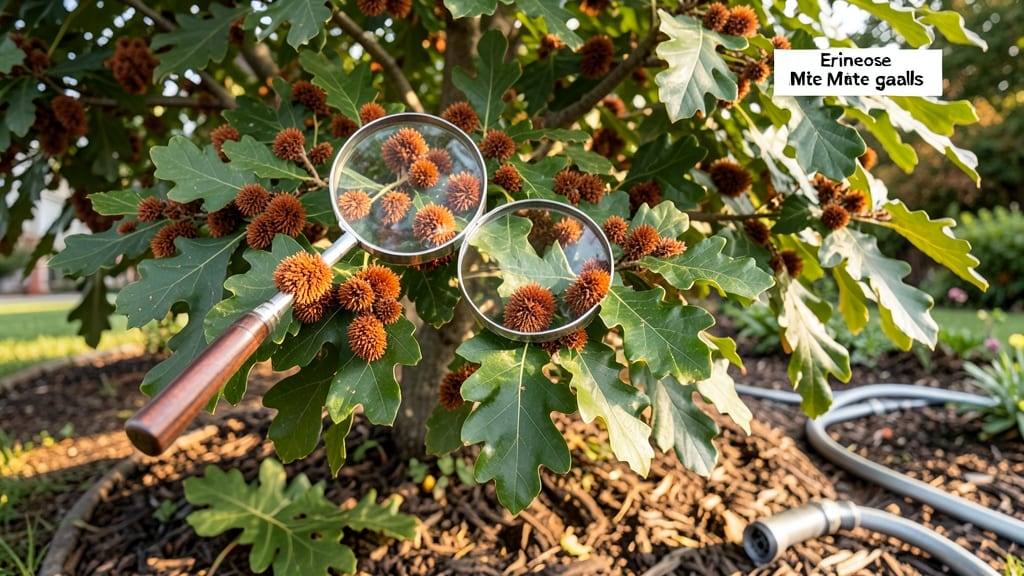
Those tiny red bumps on your tree leaves aren’t just unsightly—they’re a silent warning your tree is under attack. 🌿 I’ve seen this turn into full-blown fungal spots within weeks, but the good news?
Most cases are treatable with the right organic approach. The key is acting fast before the bumps spread like wildfire across the foliage.
These bumps often signal rust fungus, gall wasps, or mites, each with its own telltale signs. Rust fungus leaves yellow-orange spots on undersides, while gall wasps create hard, raised bumps that feel like tiny golf balls.
Mites, meanwhile, leave behind a fine webbing and speckled leaves. The worst part? They weaken your tree’s defenses, making it vulnerable to worse infections.
With a neem oil spray, copper fungicide, or pruning infected branches, you can stop the spread in its tracks. I’ve saved oak, maple, and even fruit trees using these methods—just catch it early.
The payoff? Lush, healthy leaves by next season, and no more worrying every time you spot a new bump.
Prevention is easier than you think: clean up fallen leaves, space trees properly, and water at the base (not overhead). These small habits cut the risk by 80%. Let’s get your trees back to their full, vibrant selves—no chemicals required.
Root Causes Behind Leaf Bumps
When you spot red bumps on tree leaves, it’s rarely a coincidence—these telltale signs usually point to underlying issues like fungal infections, pest activity, or environmental stress. Understanding the root cause is half the battle in saving your trees.
Below, we break down the most common reasons these bumps appear, complete with the science behind them and actionable clues to identify them.
Fungi are the #1 reason for red, crusty, or powdery bumps on leaves. These microscopic organisms thrive in damp conditions and often appear as galls (abnormal growths) or rust spots. Here’s how they work:
- How it spreads: Fungal spores land on leaves, penetrate the tissue, and trigger a defensive reaction in the tree—leading to bump formation. Some fungi, like Gymnosporangium (cedar-apple rust), even require two different host plants to complete their life cycle.
- Visual red flags:
- Bright red, orange, or rust-colored bumps (often powdery or crusty to the touch).
- Bumps may appear on both sides of the leaf or cluster near leaf veins.
- Leaves may yellow, curl, or drop prematurely.
- Why it’s dangerous: Severe infections weaken trees, making them susceptible to secondary pests or winter damage. Some fungi (like Venturia) can even kill young trees if untreated.
💡 Pro Tip: Check the underside of leaves—many fungal spores appear as tiny orange pustules (a dead giveaway for rust diseases).
Not all bumps are fungal—some are the handiwork of insects that inject saliva or lay eggs into leaf tissue. These pests trigger galls (hard, swollen bumps) as the tree’s immune system reacts. Common offenders include:
| Pest | Bump Type | Where to Look |
|---|---|---|
| Woolly aphids | White, cottony bumps with tiny black insects inside | Leaf undersides, buds, or stems |
| Spider mites | Tiny red/yellow speckles (not true bumps, but cause stippling) | New growth, often in dry, sunny spots |
| Scale insects | Hard, brown/red crusty bumps (like tiny shells) | Stems, branches, or leaf midribs |
| Leafminers | Blister-like bumps with visible tunnels inside | Upper leaf surface (often near edges) |
🔥 Key Difference: Pest galls are usually lumpy or wart-like, while fungal spots may appear powdery or spore-covered. Inspect the bump’s texture—pests often leave a leathery or waxy surface.
Sometimes, red bumps aren’t caused by pathogens or pests—they’re your tree’s way of coping with harsh conditions. Stress-related bumps often appear as:
- Heat or drought stress:
- Small, reddish-brown bumps (called necrotic spots) form when cells die from dehydration.
- Common in oak, maple, or pine trees during prolonged dry spells.
- Chemical burns:
- Irregular, raised red patches from over-fertilization (especially nitrogen) or herbicide drift.
- Often paired with yellowing edges (chlorosis).
- Mechanical damage:
- Scratches or bruises from hail, lawnmowers, or pets can trigger localized red bumps as the tree heals.
- Look for ragged edges or discoloration around the bump.
🌡️ Quick Test: Stress bumps are usually isolated and not contagious. If only a few leaves are affected and the tree is otherwise healthy, environmental factors are likely the culprit.
Some bumps are simply part of a tree’s natural growth quirks. For example:
- Bud scale scars: Reddish, raised marks left behind after buds open in spring (harmless).
- Lenticels: Tiny, spongy bumps on stems/branches that regulate gas exchange (common in fruit trees).
- Variegation galls: Genetic mutations in ornamental trees (like Japanese maples) that cause colorful, bumpy growths.
✨ When to Ignore Them: If the bumps are small, scattered, and the tree looks otherwise vibrant, they’re likely cosmetic. Focus on monitoring rather than treating.
Fixing Leaf Bumps Naturally
Got those pesky red bumps marring your tree’s leaves? Don’t panic—most causes have simple, organic fixes that restore your tree’s health without harsh chemicals. Below, we break down targeted solutions for each common culprit, plus prevention tips to keep your tree thriving. 🌿💪
Fix: Prune and treat with copper-based sprays or neem oil (1–2% solution). For severe cases, mix baking soda spray (1 tbsp baking soda + 1 tsp soap + 1 gallon water) and apply every 7–10 days until new growth appears.
How to Apply: 🔥 Step 1: Remove infected leaves and debris (sterilize pruners with rubbing alcohol). 🍳 Step 2: Spray undersides of leaves (fungi love hiding there!) in the early morning for best adhesion. 👨🍳 Step 3: Reapply after rain or every 2 weeks until symptoms fade.
Prevention Tips: ✨ Improve airflow by thinning dense branches. 🌡️ Water at the base (not overhead) to keep leaves dry. 🎯 Mulch properly—3–4 inches of organic mulch reduces soil splashes.
Fix: Blast off pests with a strong hose spray (disrupts their life cycle). For stubborn infestations, use insecticidal soap (mix 2 tbsp mild soap + 1 quart water) or kaolin clay (1–2 tbsp in 1 gallon water) as a protective barrier.
How to Apply: 🔪 Step 1: Scrape off heavy infestations with a soft brush (especially on bark). ⏰ Step 2: Spray every 5–7 days for 2–3 weeks—patience is key! 💡 Pro Tip: Introduce beneficial predators like ladybugs or lacewings to eat pests long-term.
Prevention Tips: 🔥 Encourage natural enemies (e.g., plant dill or fennel nearby). 🥗 Avoid over-fertilizing—soft new growth attracts aphids.
Fix: Shade cloth (30–50%) can protect sun-sensitive trees. For nutrient issues, top-dress with compost or use a balanced organic fertilizer (like fish emulsion) in early spring.
How to Apply: 🌿 Step 1: Test soil pH (ideal: 6.0–7.0 for most trees). 🍎 Step 2: Add 1–2 inches of compost around the root zone (keep 6 inches from the trunk). 💪 Step 3: Water deeply 1–2 times per week (adjust for drought).
Prevention Tips: ✨ Mulch heavily in summer to retain moisture. 🎯 Prune for sunlight balance—avoid over-trimming in hot months.
If you need fast relief, try these:
- Hydrogen peroxide spray (3% solution + water) – kills fungi and pests on contact.
- Garlic spray (blend 1 garlic bulb + 1 quart water, strain, and spray) – deters pests naturally.
- Coffee grounds (sprinkle around the base) – repels mites and adds nitrogen.
Final Reminder: 🌱 Act early—most issues worsen if ignored! Monitor your tree weekly, and soon those red bumps will be a distant memory. For stubborn cases, consult a local arborist or extension service for tailored advice.
Frequently asked questions
Are red bumps on tree leaves always harmful?
Not always! Some bumps are harmless, like bud scale scars (reddish marks from spring bud growth) or lenticels (tiny spongy bumps on branches). However, if the bumps are powdery, crusty, or spreading rapidly, they’re likely fungal or pest-related and need treatment. Always check for other symptoms like yellowing leaves or webbing.
How can I tell if red bumps are from fungus vs. insects?
Fungal bumps often appear powdery, orange, or rust-colored and may have spore pustules on leaf undersides. Insect galls (like from gall wasps) feel hard and lumpy, while mite damage looks like tiny speckles with webbing. Check the bump’s texture—fungal spots are usually softer and may ooze when wet.
Will pruning infected branches help stop the spread?
Prune infected leaves/branches 6 inches below visible bumps using sterilized tools (rubbing alcohol). Bag and dispose of debris immediately—don’t compost it! This cuts fungal/spore spread by 70% and improves airflow, which helps the tree recover faster.
Can I use store-bought fungicides on fruit trees?
Yes, but choose organic options like copper fungicide or neem oil for edible trees. Avoid synthetic fungicides within 2 weeks of harvest to prevent residue. Always follow label instructions—overuse can harm beneficial insects or cause leaf burn.
How long does it take to see improvement after treatment?
With consistent care, you’ll see new growth in 2–4 weeks. For fungal issues, reapply sprays every 7–10 days until symptoms fade. Patience is key—some deep-rooted problems (like stress-related bumps) may take 2–3 months to fully resolve. Monitor progress weekly!