
Propagation
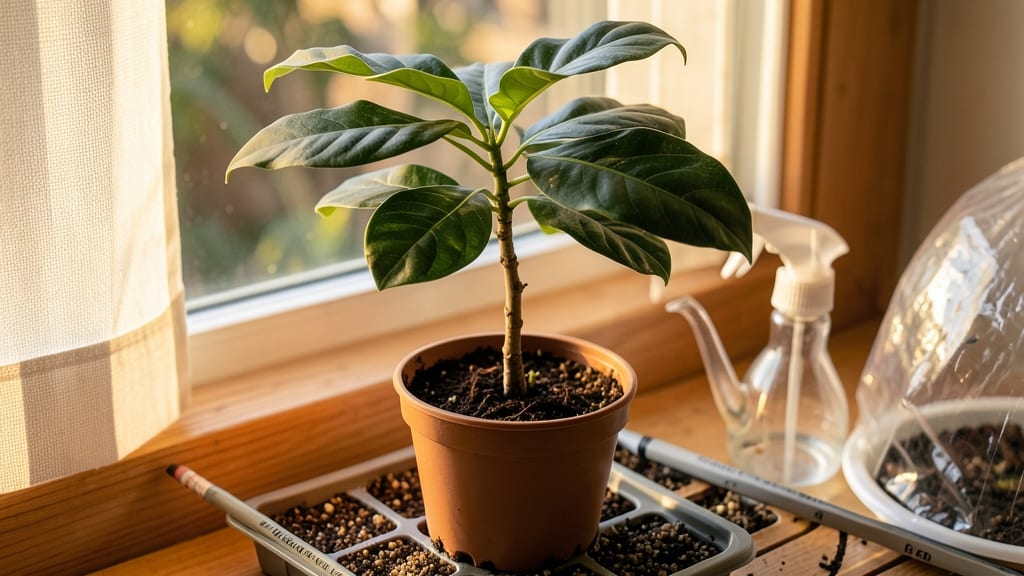
Your kitchen counter could soon be hosting a tiny mango tree adventure. 🌱 Growing a mango tree from a pit is one of those gardening stories that sounds impossible until you try it—then it becomes the most rewarding experiment you've ever started.
The key lies in patience and the right conditions, because this isn't a quick harvest; it's a long-term tropical promise.
First, you'll need a ripe mango pit, a warm spot, and a little creativity. The pit must be fresh—no dried-out store-bought ones—and the process starts with soaking it for 3-5 days to break dormancy.
Then comes the drying phase, where you let it develop roots before planting. Most people skip this step and wonder why nothing happens, but it's the difference between success and frustration.
By the time you plant that rooted pit in well-draining soil, you're already months into the journey. The first leaves appear in 2-3 months, but fruit won't come for 5-10 years—if you're lucky.
That's the hard truth: seed-grown mangoes take decades to match grocery store quality, but the journey itself is pure magic, watching a tropical fruit tree grow from something you'd normally toss.
This method works best in USDA zones 10-11, but even in cooler climates, you can grow it as a houseplant. The real reward isn't the fruit—it's the story of turning a discarded pit into a living piece of the tropics. Ready to begin?
📚 In This Guide
- What you need
- Instructions
- Tips and common mistakes
- Wrapping up and next steps
What you need
- ● Fresh mango pit: Choose a ripe, organic mango (avoid seedless varieties) and extract the pit carefully—no cracks or soft spots! (1 pit)
- ● Well-draining potting mix: A blend of cactus/succulent mix or a 50/50 ratio of perlite/pumice and peat moss works best. (1 small pot or tray)
- ● Small pots or seedling tray: Use 3–4 inch diameter pots or a tray with drainage holes. (1–2 pots)
- ● Spray bottle: For gentle watering to keep the pit moist without over-saturating it.
- ○ Plastic wrap or humidity dome: Helps maintain moisture during germination. (Optional but highly recommended)
- ● Fertilizer (balanced or citrus-specific): A 5-5-5 or 10-10-10 NPK ratio diluted to half-strength once the seedling sprouts true leaves. (Small bottle)
- ● Grow lights or sunny windowsill: Mango pits need bright, indirect light (6–8 hours/day) to germinate. (LED grow lights or south-facing window)
- ● Pruning shears or knife: For trimming future growth (once your tree matures).
- ● Patience and love! 💚
- ● Rooting hormone: Speeds up germination for stubborn pits.
- ● Thermometer/hygrometer: Mango pits thrive in 75–85°F (24–29°C) soil temps.
- ● Larger nursery pot (6–8 inches): For transplanting once the seedling grows 2–3 inches tall.
- ● Mulch (e.g., straw or bark): Retains moisture and mimics tropical conditions.
Step-by-step instructions for growing a mango tree from a pit
Here's how to turn that grocery-store pit into a thriving tropical tree—with patience and care.
🌱 Step 1: Prepare and Soak the Mango Pit
Start by cleaning the pit thoroughly under running water, removing any remaining fruit flesh. This prevents mold and rot during germination. Place the pit in a small bowl or cup and cover it with warm water—just enough to submerge it completely. Soak for 5-7 days, changing the water daily to keep it fresh.
You'll know it's ready when you see a tiny crack appear at one end of the pit—that's the seedling breaking through its outer shell. Real talk: some pits take longer, so don't rush it. If mold forms, discard the pit and try again with a fresh one.
🌱 Step 2: Plant the Germinated Pit
Fill a small pot—4-6 inches deep—with a mix of 50% potting soil and 50% perlite or sand for drainage. The pit should be planted 1 inch deep, with the cracked side facing downward. This orientation encourages the root to grow straight down first.
Water lightly until the soil feels evenly moist but not soggy. Place the pot in a warm, bright spot with indirect sunlight—like an east-facing windowsill. Keep the soil consistently moist, but never waterlogged. You'll see the first true leaves emerge in 2-4 weeks, signaling successful germination.
☀️ Step 3: Provide Optimal Growing Conditions
Once the seedling has 3-4 true leaves, it's ready for a slightly larger pot—6-8 inches deep—with well-draining soil. Mango trees love warmth and humidity, so maintain temperatures above 65°F. If your home runs cooler, consider a heat mat during the early stages.
Gradually introduce it to direct sunlight over 1-2 weeks to avoid shocking the delicate leaves. You'll notice the leaves darken and thicken as they adjust. Avoid cold drafts or sudden temperature swings—mango trees are tropical and sensitive to chilly conditions.
🪴 Step 4: Transplant and Care for Long-Term Growth
After 6-12 months, when the seedling reaches 12-18 inches tall, it's time to transplant it outdoors—only if you live in a USDA Zone 10-11 or warmer. Choose a spot with full sun and well-draining soil. Dig a hole twice as wide as the root ball but no deeper.
Water deeply after transplanting to help the roots establish. Mulch around the base with 2-3 inches of organic mulch to retain moisture and regulate soil temperature. In colder climates, keep the tree in a large pot and bring it indoors near a sunny window during winter.
⏰ Step 5: Prune and Encourage Fruit Production
Prune the tree annually in late winter or early spring to remove dead or crossing branches. Focus on shaping the tree to encourage a strong structure. Mango trees from pits can take 3-5 years to bear fruit, but with patience, you'll see those familiar tropical blossoms—and eventually, fruit.
Here's the thing—even if it doesn't fruit, the tree itself is a stunning tropical accent. I've seen seedling-grown mango trees live for decades with proper care. Keep it healthy, and it'll reward you with lush foliage and maybe even a few mangoes down the line.
Tips & tricks for growing a mango tree from a pit
Here's what nobody tells you about turning that grocery-store pit into a thriving tropical tree.
Soaking Strategy: The 5-7 day soak isn't just about hydration—it's about breaking down the pit's natural defenses. Use filtered or distilled water if possible, as tap water chemicals can inhibit germination. I've found that placing the bowl in a warm spot (like near a sunny window) speeds up the process, especially in cooler homes. Change the water daily to prevent bacterial growth, and watch for that first crack—it's your signal the seedling is ready to emerge.
Planting Position: Planting the pit with the cracked side down isn't just a suggestion—it's a game-changer. This orientation encourages the root to grow downward first, creating a stronger foundation. Use a small pot (4-6 inches deep) with drainage holes to prevent waterlogging, which can rot the delicate seedling. The soil mix of 50% potting soil and 50% perlite or sand is perfect for mimicking the mango tree's natural tropical environment.
Light Transition: When moving your seedling from indirect to direct sunlight (Step 3), do it gradually over 1-2 weeks. I've seen seedlings go from healthy green to crispy brown overnight when exposed to full sun too quickly. Start with just a few hours of direct morning sun, then gradually increase exposure. The leaves will darken and thicken as they adjust—this is a good sign they're adapting well.
Transplant Timing: The 6-12 month window for transplanting is ideal because it gives the seedling time to develop a strong root system. If you're in a colder climate, keep the tree in a large pot and bring it indoors during winter. I've had success with a south-facing window that gets plenty of light, but supplement with a grow light if needed. The key is maintaining that 65°F minimum temperature—mango trees are tropical through and through.
Pro Tips for Growing A Mango Tree From A Pit
- Here's what nobody tells you about turning that grocery-store pit into a thriving tropical tree.
- Soaking Strategy: The 5-7 day soak isn't just about hydration—it's about breaking down the pit's natural defenses. Us...
- Planting Position: Planting the pit with the cracked side down isn't just a suggestion—it's a game-changer. This orie...
Frequently asked questions
Got questions about growing a mango tree from a pit? You’re not alone—this tropical adventure comes with its own set of curiosities! Here are answers to the most common queries to keep your green thumb thriving.
How long does it take for a mango pit to sprout?
A mango pit typically takes 2–4 weeks to sprout indoors, provided it’s kept warm (70–80°F) and moist. If you’ve been patient for a month with no signs of life, it may not be viable—try another pit! Patience is key, but don’t wait forever.
When is the best time to plant the sprouted pit outdoors?
Wait until spring or early summer (after the last frost) to transplant your seedling outdoors. Mango trees are tropical and hate cold, so give it time to harden off first. If you live in a colder climate, grow it in a pot and bring it inside during winter.
Can I grow a mango tree from a store-bought mango pit?
Yes, but results vary! Store-bought mangoes often come from hybrid varieties that may not produce fruit true to the parent tree. For better success, use pits from ripe, locally grown mangoes—especially if you want fruit that matches your favorite flavor. No guarantees, but it’s worth a try!
Why isn’t my mango pit sprouting?
Common reasons include:
- Dormant pit: Some pits need a cold stratification period (try refrigerating for 1–2 weeks before planting).
- Over/under-watering: Keep the pit moist but not soggy—rotting kills sprouts.
- Old or infertile pit: Older or hybrid pits may not sprout. Try a fresh, plump pit.
- No oxygen: Ensure the pit has airflow; don’t bury it too deep in soil.
Will my homegrown mango tree bear fruit?
Probably not for 3–5 years (or longer!), and even then, it may not match the parent tree’s flavor or size. Mango trees grown from pits are seedlings, meaning they’re unpredictable. For consistent fruit, graft a known variety onto your seedling later—but that’s an advanced step!
Pro Tip:
Label your pit with the mango’s variety and date to track progress. If you’re experimenting with multiple pits, keep a journal! Some sprouts may surprise you with unexpected growth patterns.
Wrapping up and next steps
Growing a mango tree from a pit is a rewarding journey that blends patience, care, and a touch of tropical magic! 🌱 With the right techniques—like proper drying, planting timing, and consistent nurturing—you’re well on your way to nurturing a thriving tree that could one day bear sweet, juicy fruit. Don’t let setbacks discourage you: even experienced gardeners face challenges, and every step is a learning opportunity.
Now that you’re armed with knowledge, take the next step! Start with one pit today—plant it and watch as your green thumb grows stronger. Share your progress with fellow plant lovers, and soon, you might just be the proud owner of a backyard mango tree. Happy planting! 🌿✨