
How To
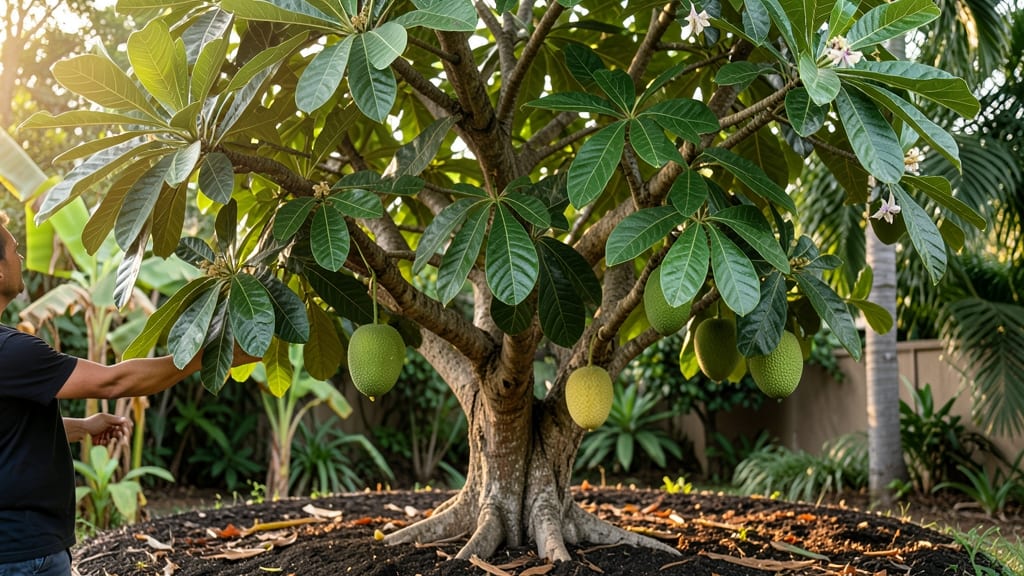
A soursop tree grows to 20–40 feet tall in ideal tropical conditions, turning even the largest backyard into a jungle-like canopy if left unchecked.
If you’re dreaming of growing a soursop tree in your backyard, knowing its potential height is key—because this tropical giant can reach heights that might surprise you, depending on where you live and how you care for it.
The 🌴 soursop tree thrives in USDA zones 10–12, where it can shoot up 3–6 feet per year if given rich soil and full sun. In cooler subtropical areas (like 9b–11), growth slows, but it still matures into a towering 15–25-foot specimen.
Here’s what you’ll learn: how climate and soil shape its size, 5 proven ways to control its height, and whether this fruit-bearing giant is even practical for your garden.


Soursop tree height by mature growth stages: what to expect in ideal conditions
The soursop tree (Annona muricata) is a tropical showstopper that grows into a majestic giant—if given the right conditions. In its native environments, this tree can reach heights between 20 to 40 feet, with some specimens surpassing 50 feet in ideal tropical climates.
But don’t let those numbers scare you off! Understanding its growth stages helps you plan for space and care, whether you're planting in a large backyard or a container.
If you’re wondering, "how tall does a soursop tree grow in my climate?" the answer depends on factors like sunlight, soil quality, and pruning habits. In USDA Zones 10-12, where frost is rare, soursop trees thrive and reach their full height potential.
Even in subtropical zones (9b-11), they can grow tall but may need extra care to survive mild winters. Let’s break down what to expect at each stage of its life.
🌱
| Growth Stage | Height Range | Time to Reach | Key Characteristics |
|---|---|---|---|
| Seedling | 1–3 feet | 0–6 months | Thin stem, broad leaves, rapid early growth |
| Juvenile | 4–10 feet | 1–3 years | Thickens trunk, develops first branches, slows slightly |
| Mature (Early) | 12–20 feet | 4–7 years | Canopy expands, first fruit production possible |
| Mature (Full) | 20–40+ feet | 8–15 years | Full canopy, heavy fruiting, structural pruning needed |
During the seedling stage (0–6 months), your soursop tree will grow 1–3 feet tall if planted in well-draining, nutrient-rich soil with full sun exposure. This is the fastest growth phase, where roots establish deeply.
In container growing, expect slightly slower growth due to root restriction, but with proper care, it can still reach 6–8 feet in 2 years.
By year 3, your soursop tree enters the juvenile stage, where it grows 4–10 feet tall. This phase is slower but critical for developing a thick trunk and sturdy branches.
If you notice yellowing leaves or stunted growth, check for poor drainage or nutrient deficiencies. A balanced fertilizer (6-6-6 NPK) applied every 4–6 weeks during spring and fall can keep it on track.
The early mature stage (years 4–7) is when your soursop tree hits 12–20 feet and starts producing its first fragrant, spiky fruits. This is also when you’ll need to prune for shape and airflow to prevent disease.
In tropical climates like Florida or Hawaii, trees in this stage can grow up to 3 feet per year if conditions are ideal. In cooler subtropical zones, growth may slow to 1–2 feet annually.
Once fully mature (8–15 years), a soursop tree can tower 20–40 feet tall, with some wild specimens reaching 50 feet. At this height, it becomes a landmark in your garden, offering shade and abundant fruit.
However, this size makes it unsuitable for small backyards or urban spaces unless you’re prepared for regular pruning or container growing. In windy coastal areas, expect pruning to be even more critical to prevent storm damage.
Factors like soil quality, sunlight, and watering habits dramatically influence how tall your soursop tree grows.
For example, sandy soil drains too quickly and may stunt growth, while loamy, slightly acidic soil (pH 5.5–6.5) promotes rapid development. Drought stress can also halt height gains, so deep watering (15–20 gallons weekly) is essential, especially during dry seasons.
If you’re growing a soursop tree in a container, height will naturally be restricted, but with proper root pruning and large pots (3+ feet deep), you can still expect 10–15 feet of growth over 10 years.
For indoor growing, place it near a south-facing window and supplement with grow lights (12+ hours daily) to mimic tropical sunlight.
Pruning plays a huge role in managing height. Structural pruning in early years helps shape the tree and encourages a stronger trunk. Once mature, selective pruning of upward-growing branches can
How climate and soil affect soursop tree height: a region-by-region guide
The soursop tree (Annona muricata) thrives in tropical climates but shows dramatic height variations depending on where you grow it. In Southeast Asia, where humidity and warmth are constant, these trees often reach 30-40 feet tall.
Meanwhile, in subtropical zones like Florida or Hawaii, they typically max out at 20-30 feet due to seasonal temperature shifts. Your soil type also plays a critical role—sandy soils limit root depth, while loamy soils encourage stronger, taller growth.
Let’s break down how climate zones and soil conditions impact soursop tree height, using real-world examples from three key regions. Understanding these factors will help you set realistic expectations for your own backyard or farm.
In Southeast Asia, where soursop trees are native, their tallest heights (30–40 feet) are achieved thanks to year-round warmth and rich, loamy soils. Farmers in Thailand and Vietnam often report trees reaching 40 feet when grown in well-draining, organic-rich soil.
The combination of high humidity and consistent rainfall eliminates growth stress, allowing the tree to focus on vertical expansion.
On the other hand, Florida’s subtropical climate creates a height ceiling around 20–30 feet. The sandy soils common in South Florida limit root depth, while occasional cold snaps can stunt growth if young trees aren’t protected.
Gardeners in Miami or Homestead often use mulching and deep watering to coax trees toward the upper end of this range.
Hawaii offers a middle ground, with 25–35 feet being typical. The volcanic loam soils on islands like Oahu or Maui provide excellent drainage and nutrients, but cooler highland areas (like Kona) can slow growth. Coastal regions, however, mimic tropical conditions more closely, pushing trees toward their maximum potential height.
If you’re growing soursop in containers or small gardens, focus on soil drainage and regular pruning to manage height. Even in ideal climates, poor drainage or nutrient deficiencies can reduce a tree’s height by 30% or more.
Always amend your soil with compost and organic matter to support strong root development.
🌴