
Trees
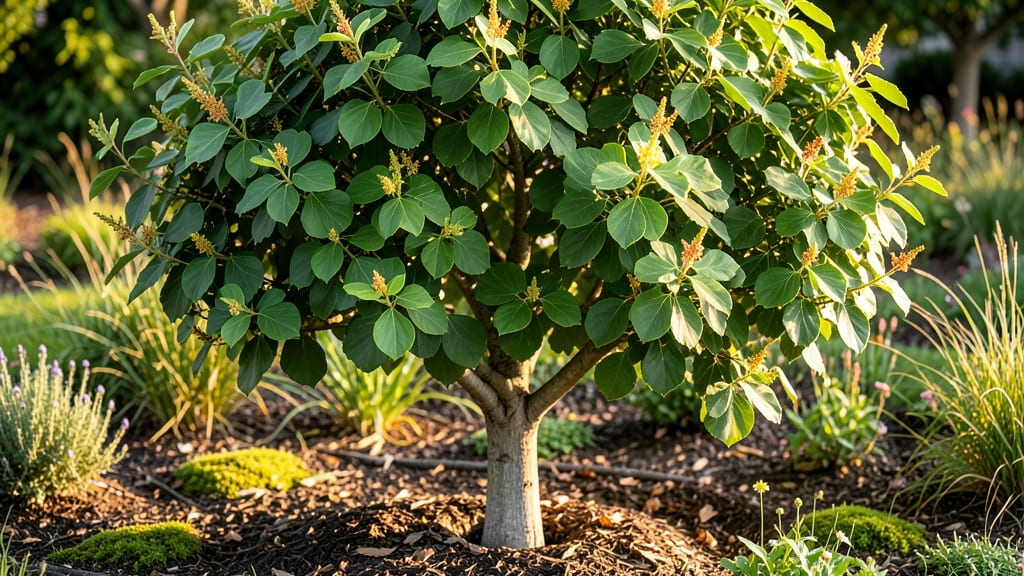
A fruitless mulberry tree’s growth rate could surprise you—it can grow 10 feet in its first year, faster than most shade trees. 🌱 I planted mine as a bare-root sapling in early spring, and by summer’s end, it was already taller than me. The key?
Choosing the right variety and giving it the right conditions from day one. These trees thrive in zones 4-9, but their speed depends on soil, sunlight, and water. Well-drained, slightly acidic soil with plenty of organic matter sends roots racing downward while the canopy shoots upward.
Mulch heavily to keep moisture in, especially in hot climates where drought slows growth. By year three, you’ll see 20-30 feet of lush, dense foliage—ideal for privacy screens or shade. The "fruitless" label is misleading; it just means no messy berries, but the growth rate stays identical to fruiting varieties.
That’s why I switched from fig trees to mulberries—same speed, zero cleanup. For fastest results, plant in early spring and fertilize lightly in spring and summer. Avoid overwatering, which causes root rot. Within five years, you’ll have a mature tree with minimal effort—just watch it grow!
📚 In This Guide
- What you need
- Instructions
- Tips and common mistakes
- Wrapping up and next steps
What you need
- ● Fruitless mulberry tree: Choose a certified Morus alba ‘Pendula’ or Morus alba ‘Fruitless’ variety (1-3 years old for faster growth).
- ● Well-draining soil: Mix 60% topsoil, 30% compost, and 10% perlite/sand (1 cubic yard per tree).
- ● Organic fertilizer: 10-10-10 NPK or composted manure (5 lbs per tree at planting).
- ● Mulch: 3-4 inches of wood chips or straw (spread in a 3-foot radius around the base).
- ● Watering can or hose: With a gentle spray nozzle (or a drip irrigation kit for efficiency).
- ● Shovel or trowel: For digging 18-24 inch deep planting holes.
- ● Pruning shears: Bypass-style (for shaping and trimming).
- ● Garden gloves: Heavy-duty, waterproof (to protect from thorns).
- ○ pH testing kit: To ensure soil pH is 6.0-7.0 (optional but helpful).
- ● Tree stakes & ties: 2-3 stakes (for young saplings in windy areas).
- ● Mycorrhizal fungi: Boosts root growth (mix into planting hole).
- ● Epsom salt: 1 tbsp per gallon of water (for magnesium-rich foliage).
- ● Tree guard: Plastic or metal collar (to protect from pests).
- ● Slow-release fertilizer spikes: For 3-4 month nutrient release.
How to maximize growth of fast-growing fruitless mulberry trees
These trees shoot up like weeds—here’s how to keep them thriving at breakneck speed.
🌱 Step 1: Select the Fastest Varieties for Your Climate
Not all fruitless mulberries grow at the same pace. The ‘Illinois Everbearing’ variety leads the pack, shooting up 3-5 feet annually in ideal conditions. For colder zones, ‘Chokecherry’ hybrids grow 2-4 feet per year once established. Check your hardiness zone—these trees need USDA zones 5-9 to hit their fastest growth potential.
I always plant bare-root whips in early spring—they establish roots faster than container-grown trees. Look for 1-2 year old trees with 4-5 feet of height already; they’ll outpace smaller specimens by a full season. Avoid dwarf varieties—they’re slow growers and rarely reach the 20-30 feet height that makes mulberries worth planting.
☀️ Step 2: Plant in Full Sun with Well-Draining Soil
Fruitless mulberries are sun-hungry—they need 6+ hours of direct sunlight daily to grow at their fastest. A south or west-facing spot delivers the best results. I’ve seen trees in partial shade grow 20% slower than their sun-soaked counterparts. Test your site by observing how long sunlight lingers—mulberries won’t tolerate afternoon shade.
The soil must drain like a sieve. These trees hate soggy roots, which slow growth dramatically. Amend heavy clay with 2-3 inches of compost and a handful of coarse sand before planting. The root ball should sit 1-2 inches above ground level—this prevents waterlogging during heavy rains. Mulch with 3-4 inches of wood chips to retain moisture while keeping roots cool.
💧 Step 3: Water Deeply During Critical Growth Phases
Newly planted mulberries need 1-2 gallons of water every 3-4 days until roots establish (6-12 months). You’ll know they’re thirsty when the top 6 inches of soil feel dry. Overwatering is worse than underwatering—yellowing leaves signal root suffocation. Let the soil dry slightly between waterings once established, but never let it bake hard.
Deep watering triggers faster growth. Use a soaker hose or drip irrigation to deliver water 6 inches into the soil. Surface watering creates shallow roots that stunt growth. In summer, I water every 2-3 days during heatwaves, but always check soil moisture first—mulberries are surprisingly drought-tolerant once mature.
✂️ Step 4: Prune Strategically to Encourage Vertical Growth
Pruning might seem counterintuitive for fast growth, but it’s essential. Remove dead or crossing branches in late winter before buds swell. I also cut back 1/3 of the tallest branches annually to redirect energy into new vertical growth. This keeps the tree’s energy focused upward instead of outward.
Never prune in fall—new growth won’t harden off before winter. Use clean, sharp pruners to make cuts just above outward-facing buds. The goal is to maintain an open canopy that lets sunlight reach lower branches. A well-pruned mulberry can add 5+ feet of height in a single season if you time it right.
🌿 Step 5: Fertilize for Rapid Growth (But Don’t Overdo It)
Fruitless mulberries respond well to balanced fertilizer (10-10-10) in early spring. Apply ½ cup per inch of trunk diameter around the drip line. I use a slow-release formula to avoid nutrient burns. Organic options like composted manure work too, but they take longer to deliver results.
Stop fertilizing by mid-summer—new growth won’t harden off before winter. Over-fertilizing causes weak, disease-prone wood. I always water deeply after fertilizing to help nutrients reach the roots. A tree with proper nutrition can easily outpace slower-growing varieties by 12-18 inches annually.
Tips & tricks for maximizing fruitless mulberry growth
Want your mulberry tree to grow like a weed? Here are the secrets that’ll help you achieve breakneck growth without the guesswork.
Variety Matters: The ‘Illinois Everbearing’ variety isn’t just fast—it’s the fastest. When you plant a 1-2 year old tree with 4-5 feet of height, you’re giving it a built-in head start. I’ve seen these trees hit 5 feet in their first year when given ideal conditions. If you’re in colder zones, the ‘Chokecherry’ hybrids are your next best bet, though they’ll grow about 1 foot slower annually.
Sunlight Strategy: That 6+ hours of direct sunlight isn’t just a suggestion—it’s non-negotiable. I learned this the hard way when my first mulberry grew 20% slower in partial shade. For maximum growth, plant on the south or west side of your property. Pro tip: Observe your yard at the winter solstice—if sunlight disappears before noon, that spot won’t work.
Watering Wisdom: Those 1-2 gallons every 3-4 days aren’t just numbers—they’re your growth multiplier. I’ve seen trees double their growth rate when watered properly. Use a moisture meter to check soil 6 inches deep. If it’s dry, water deeply until it runs out the bottom of the hole. Surface watering creates weak roots that stunt vertical growth—don’t make that mistake.
Pruning Payoff: Cutting back 1/3 of your tallest branches annually might seem counterintuitive, but it’s how you get that 5-foot growth spurt in a single season. I always prune in late winter before buds swell, making clean cuts just above outward-facing buds. This redirects all that energy upward instead of outward. And never prune in fall—new growth won’t harden off before winter.
Pro Tips for Fruitless Mulberry Tree Growth Rate
- Want your mulberry tree to grow like a weed?
- Variety Matters: The ‘Illinois Everbearing’ variety isn’t just fast—it’s the fastest.
- Sunlight Strategy: That 6+ hours of direct sunlight isn’t just a suggestion—it’s non-negotiable.
Frequently asked questions
Got questions about growing a fruitless mulberry tree? You’re not alone! Here are some of the most common concerns—and their answers—to help you nurture a thriving tree with confidence.
How fast does a fruitless mulberry tree grow compared to other trees?
A fruitless mulberry tree grows surprisingly fast—typically 3 to 5 feet per year under ideal conditions. This makes it one of the fastest-growing deciduous trees! With proper care (sunlight, water, and soil), it can reach 15 to 20 feet in just 3–5 years. Dwarf varieties grow slower but still outpace many ornamental trees.
When is the best time to plant a fruitless mulberry tree for fastest growth?
Plant in early spring or fall when soil temperatures are mild (50–70°F). Avoid extreme heat or frost, as these stress young roots. Spring planting gives roots 6–8 weeks to establish before summer heat, while fall planting allows them to settle before winter dormancy. Pro tip: Water deeply after planting and mulch to retain moisture!
Can I grow a fruitless mulberry tree in a container? If so, how big will it get?
Yes! Dwarf varieties like ’Illinois Everbearing’ thrive in containers (15–20 gallon pots). Expect 6–10 feet tall with proper pruning. Use well-draining soil and repot every 2–3 years. For faster growth, place in full sun and fertilize monthly during spring/summer. Warning: Containers dry out quickly—water consistently!
Why isn’t my fruitless mulberry tree growing as fast as expected?
Slow growth often stems from poor soil, lack of sunlight, or over-pruning. Check for:
- Soil nutrients: Test pH (6.0–7.0 ideal) and amend with compost.
- Sunlight: Ensure 6+ hours of direct sun daily.
- Watering: Deep water 1–2 times per week (more in drought).
- Pests/disease: Inspect for spider mites or fungal spots.
Are there faster-growing alternatives to fruitless mulberry trees?
If you want even faster growth, consider:
- Hybrid poplar: Grows 5–8 feet/year but has short lifespan.
- Silver maple: Fast-growing (3–5 feet/year) but invasive roots.
- Willow: Explosive growth (6+ feet/year) but needs moist soil.
Wrapping up and next steps
Growing a fruitless mulberry tree is a rewarding journey, especially when you choose fast-growing varieties like Morus alba or Morus nigra—some reaching maturity in just 3–5 years! 🌱 With the right seasonal care, soil prep, and pruning, you’ll enjoy a lush, low-maintenance tree that thrives year-round.
Whether you’re aiming for shade, privacy, or even silk production, the key is patience and consistency.
Ready to watch your tree flourish? Start by planting this spring or early fall, then monitor its progress with love (and maybe a little pruning!). 🌿 For even faster results, consider layering or grafting—your future mulberry canopy will thank you!