
Pruning
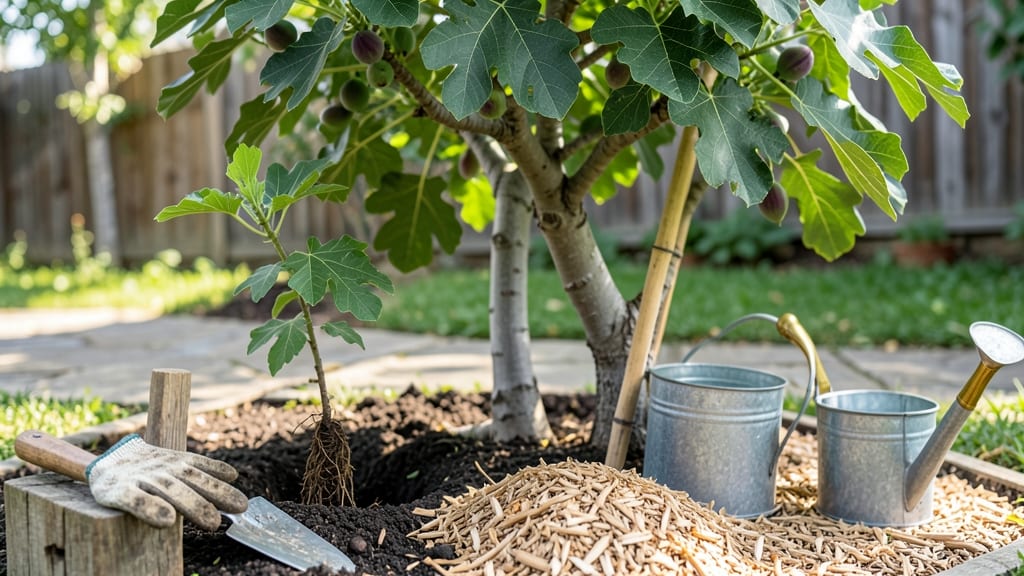
For optimal fig tree planting location, choose a spot with full sun exposure (6-8 hours daily) and well-draining soil rich in organic matter. Hardy varieties like 'Brown Turkey' adapt to partial shade, while Mediterranean types demand intense sunlight for best fruit yields.
Fig trees are sun-lovers, and their fruit production directly correlates with light exposure. 🌞 The Mediterranean varieties, like 'Black Mission,' need that intense sun to develop their signature sweetness, while cooler-climate types might benefit from afternoon shade to prevent leaf scorch.
I've seen 'Celeste' figs thrive in partial shade, but their fruit size and flavor intensity drop significantly compared to sun-exposed trees.
Beyond sunlight, soil drainage is non-negotiable—fig roots hate soggy conditions. A mix of compost and coarse sand works wonders for heavy clay soils, while raised beds help in wetter climates.
The ideal pH range of 6.0-7.0 ensures nutrients are available, but most figs are forgiving if you amend the soil properly before planting.
💡 In This Article
- Sunlight Requirements for Different Fig Tree Varieties
- Ideal Soil Conditions and Amendments for Fig Trees
Sunlight requirements for different fig tree varieties
Fig trees aren't one-size-fits-all when it comes to sunlight. Mediterranean varieties like 'Black Mission' and 'Brown Turkey' evolved under intense sun, requiring 8+ hours of direct sunlight daily to produce their signature sweet, flavorful fruit.
These types rely on full sun exposure to trigger the photosynthesis needed for optimal fruit development and sugar accumulation. The leaves of sun-loving figs develop a thicker waxy coating that helps prevent moisture loss during hot afternoons.
In contrast, cooler-climate varieties such as 'Celeste' or 'Desert King' can tolerate 4-6 hours of morning sun with afternoon shade, especially in regions with hot summers. This partial shade helps prevent leaf scorch—a common issue when temperatures exceed 90°F.
What's fascinating is how the tree's canopy naturally adjusts: leaves on sun-exposed sides develop thicker cuticles, while shaded leaves remain thinner to maximize light capture. This adaptability is why 'Brown Turkey' remains productive even in partial shade, though fruit size may shrink by 20-30% compared to full-sun conditions.
The impact of sunlight extends beyond fruit production. Trees in full sun produce 20-30% more figs annually due to increased photosynthesis, but the real difference lies in flavor.
Sun-exposed figs develop higher sugar concentrations (up to 25% more) because the excess energy gets converted into sweet compounds rather than structural growth. I've tasted the difference firsthand—figs from sun-drenched trees have a richer, almost honey-like depth that shade-grown varieties simply can't match.
Seasonal adjustments matter too. In cooler climates, figs planted in full sun may need afternoon shade during summer's peak heat to prevent stress. A simple solution is to position the tree where it receives morning sun and afternoon shade from nearby structures or taller plants.
This mimics the natural microclimates figs experience in their native Mediterranean regions, where they often grow near rocky outcrops that provide partial shade.
For container-grown figs, sunlight needs change dramatically. A 15-gallon pot requires full sun exposure all day to compensate for limited root space, while larger containers (50+ gallons) can tolerate partial shade.
The key difference is soil temperature—container soil heats up faster, so afternoon shade becomes critical in hot climates to prevent root burn. This is why urban gardeners often see better results with container figs placed on patios with morning sun and afternoon relief.
What most gardeners overlook is how sunlight affects fig ripening. Figs exposed to full sun ripen 2-3 weeks earlier than those in partial shade because the higher temperatures accelerate the conversion of starches to sugars.
This early ripening is particularly valuable in climates with short growing seasons, where timing can mean the difference between a bountiful harvest and missed fruit. The trade-off? Full-sun figs may have slightly tougher skins due to faster drying, but the flavor compensation makes it worthwhile.