
Pruning
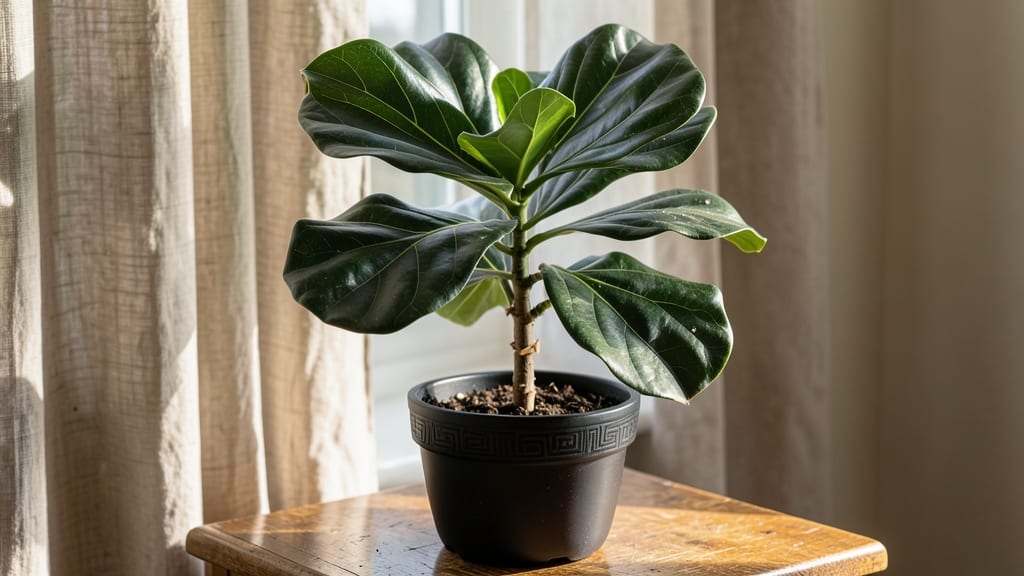
My small ficus tree starts with the right variety—like Ficus microcarpa 'Ginseng' or the trailing Ficus pumila—because size control begins at the nursery. These compact types grow just 3-6 feet tall (or stay ground-hugging if trained), making them perfect for apartments, offices, or sunny patios where space is tight.
The key isn’t just pruning; it’s choosing a plant that naturally stays small so you’re not fighting genetics from day one.
Light and pruning work together like a team: too much shade stretches leggy growth, while direct sun can scorch new leaves. I keep mine in bright, indirect light—think east-facing windows or a few feet from a south window—and prune right after new growth appears in spring.
A clean cut just above a leaf node (about ¼ inch above) keeps the tree bushy without sacrificing its compact shape. For Ficus pumila, you’ll pinch back tips to encourage that lush, vine-like spread instead of letting it grow into a wall of green.
What you end up with is a tree that fits your space—whether it’s a 3-foot tabletop centerpiece or a cascading green curtain on a balcony railing.
The pruned branches heal quickly, and with regular trimming (every 4-6 weeks), you’ll avoid the "wild bush" look that makes ficus trees seem unruly. Plus, the new growth after pruning is especially vibrant, almost neon-green compared to older leaves.
Here’s the secret weapon: root pruning once a year if your ficus outgrows its pot. Gently tease the roots at the edges when repotting, and you’ll slow down top growth while keeping the plant healthy.
Works for both upright and trailing types—just adjust how aggressively you trim. Now, let’s talk tools and timing before you get started.
📚 In This Guide
- What you need
- Instructions
- Tips and common mistakes
- Wrapping up and next steps
What you need
- ● Pruning shears: Bypass pruners (for clean cuts on small branches, 4–6 inches long)
- ● Hand pruners: Anvil-style (for thicker stems, up to ½-inch diameter)
- ○ Loppers: Bypass-style (for branches ½–1½ inches thick, optional for larger ficus)
- ● Gardening gloves: Thick, cut-resistant (to protect hands from thorns or sap)
- ● Disinfectant: Rubbing alcohol (70%+) or hydrogen peroxide (to sterilize tools between cuts)
- ● Sharpie or marker: (for labeling cuts if training the tree’s growth direction)
- ● Trash bag or bucket: (for collecting pruned branches)
- ● Rooting hormone: (if propagating cuttings from pruned branches)
- ● Small trowel: (for digging if repotting or dividing roots)
- ● Plant food: Balanced liquid fertilizer (10-10-10) (to boost recovery post-pruning)
- ● Spray bottle with water: (to mist cuts and reduce stress on the plant)
Instructions for pruning a small ficus tree for compact growth
Pruning your ficus tree isn’t just about shaping—it’s about encouraging a fuller, bushier plant. Here’s how to do it right.
Identify the Right Time to Prune
Spring is the best time to prune your ficus tree, just as new growth begins. You’ll notice fresh, vibrant leaves emerging from the branches, signaling the plant is waking up from dormancy. Avoid pruning in late fall or winter, as this can stress the tree and leave it vulnerable to disease.
If you’re pruning for shape rather than size, you can do light trimming throughout the growing season. Just be sure to never remove more than 25% of the foliage in one session—this keeps the tree healthy and prevents shock. Watch for new buds forming along the stems; these are your cues for where to make cuts.
Gather Your Tools and Prepare the Tree
Use clean, sharp pruning shears or a small handsaw for thicker branches. Disinfect your tools with rubbing alcohol before and after pruning to prevent spreading disease. You’ll also want a pair of gloves to protect your hands from sap, which can irritate skin.
Inspect your ficus tree for any dead, diseased, or crossing branches first. These should be removed immediately, regardless of the season. Healthy branches will have a firm, green stem and vibrant leaves. If you see yellowing leaves or brown, mushy stems, those branches need to go—cut them back to a healthy node or bud.
Make Clean Cuts at the Correct Angle
When pruning, always cut just above a leaf node or bud, which is where new growth will emerge. Angle your cut slightly downward, about ¼ inch above the node, to allow water to run off and prevent rot. Avoid leaving stubs—these can attract pests and slow down healing.
For thicker branches, use a handsaw and make the cut slowly to avoid tearing the bark. If you’re shaping the tree, focus on removing branches that are growing inward or rubbing against others. This opens up the canopy and encourages airflow, which keeps the tree healthier. You’ll see immediate results in the tree’s structure after a few weeks of new growth.
Encourage Bushier Growth with Strategic Pruning
To promote a fuller, more compact ficus, prune the tips of the main branches. This triggers the plant to produce side shoots from dormant buds below the cut. Aim to trim back one-third of the new growth on each branch—this is enough to encourage branching without over-stressing the tree.
If your ficus is leggy, look for the lowest set of leaves on a branch and cut just above it. This forces the tree to grow bushier from the base rather than stretching upward. After pruning, give your tree a light watering to help it recover, especially if you’ve made several cuts. You’ll notice new shoots forming within 4-6 weeks, signaling successful pruning.
Clean Up and Monitor for New Growth
Remove all pruned branches and leaves from the area to keep your workspace tidy and reduce the risk of disease. Dispose of them in the trash, not the compost, since ficus sap can be harmful to other plants. Once you’ve finished, water the tree thoroughly to help it recover from the pruning.
Keep an eye on your ficus over the next few weeks. You should see new growth emerging from the nodes where you made cuts. If you notice any yellowing leaves or wilting, it could be a sign of stress—adjust your watering or light exposure as needed. With proper care, your ficus will reward you with a fuller, more compact shape in no time.
Tips & tricks for pruning your small ficus tree
Transforming your ficus into a lush, compact beauty takes more than just random snips—here’s how to avoid common pitfalls and get professional results.
Timing is Everything: Spring is your golden window for pruning, but don’t wait until summer’s peak growth. I’ve seen ficus trees stressed after late-spring pruning because they’re already pushing new leaves. Focus on early spring when you spot those first fresh leaves—this gives your tree time to recover before summer’s heat. If you must prune later, stick to light shaping cuts rather than heavy trimming.
The Right Tools Save the Day: Don’t skimp on sharp pruning shears—dull blades crush stems instead of making clean cuts, which invites disease. I always disinfect my tools with rubbing alcohol before and after use, even when working on a single tree. For thicker branches, a small handsaw is worth its weight in gold. And here’s a pro move: Wipe down the sap with a damp cloth after cutting—it’s sticky, attracts pests, and can irritate your skin.
Where You Cut Determines New Growth: That ¼-inch rule above the leaf node isn’t arbitrary—it’s where the magic happens. Cut too close, and you’ll leave a stub that collects moisture and rots. Cut too far, and you might remove the bud entirely. I mark my cuts with a pencil first to visualize the angle. For leggy stems, look for the lowest set of leaves—cutting just above this forces the tree to branch out from the base, creating that bushy look you want.
Watering After Pruning: Think of pruning as a minor surgery for your ficus. After making cuts, give it a thorough watering to help it recover, especially if you’ve removed a lot of foliage. I’ve seen trees wilt dramatically post-pruning, but a good drink and a week of close monitoring usually brings them back to health. Just avoid overwatering—the roots need time to adjust to the new shape.
Pro Tips for Ficus Tree Small
- Transforming your ficus into a lush, compact beauty takes more than just random snips—here’s how to avoid common pitfalls and get professional results.
- Timing is Everything: Spring is your golden window for pruning, but don’t wait until summer’s peak growth.
- The Right Tools Save the Day: Don’t skimp on sharp pruning shears—dull blades crush stems instead of making clean cuts, which invites disease.
Frequently asked questions
When is the best time to prune a small ficus tree for compact growth?
The ideal time to prune your ficus for size control is late winter or early spring, just before new growth begins. This timing encourages bushier growth and prevents stress during dormancy. Avoid heavy pruning in fall—it can stunt growth before winter.
How much can I trim back a small ficus tree without harming it?
You can safely prune up to one-third of the plant’s foliage at a time. For a small ficus, this might mean trimming back leggy stems or overgrown branches to encourage denser growth. Just avoid cutting into the main trunk unless necessary—this can weaken the tree long-term.
What should I do with the cuttings from pruning my ficus?
Don’t toss those trimmings! Ficus cuttings root easily in water or soil. Place them in a jar of water (change weekly) or plant directly in moist potting mix. Keep them in bright, indirect light until roots form—usually in 4-6 weeks. Propagating is a great way to grow new plants!
My ficus leaves are yellowing after pruning. Is this normal?
Yellowing leaves can happen if you’ve over-pruned or stressed the plant. Don’t panic! Reduce watering slightly, ensure it gets bright, indirect light, and avoid fertilizing until new growth appears. If the issue persists, check for pests or root rot—common after aggressive trimming.
Are there any ficus varieties that stay naturally small without much pruning?
Yes! If you want minimal pruning, consider these compact varieties: Ficus microcarpa ‘Ginseng’ (bonsai-style), Ficus benjamina ‘Exotica’ (slow-growing), or Ficus lyrata ‘Little Fiddle’. These stay under 6 feet tall with proper care, making them perfect for small spaces.
Wrapping up and next steps
Growing a small, compact ficus tree is totally doable with the right pruning techniques! 🌿 By mastering when and how to trim—whether for shape, size, or health—you’ll keep your plant thriving while saving space. Remember, consistency is key, and patience pays off as your ficus responds beautifully to care.
Ready to take the next step? Grab your pruners and start experimenting! Try one pruning session this week and observe how your ficus reacts. Happy growing—your perfect little ficus awaits! 🌱✨