
Pruning
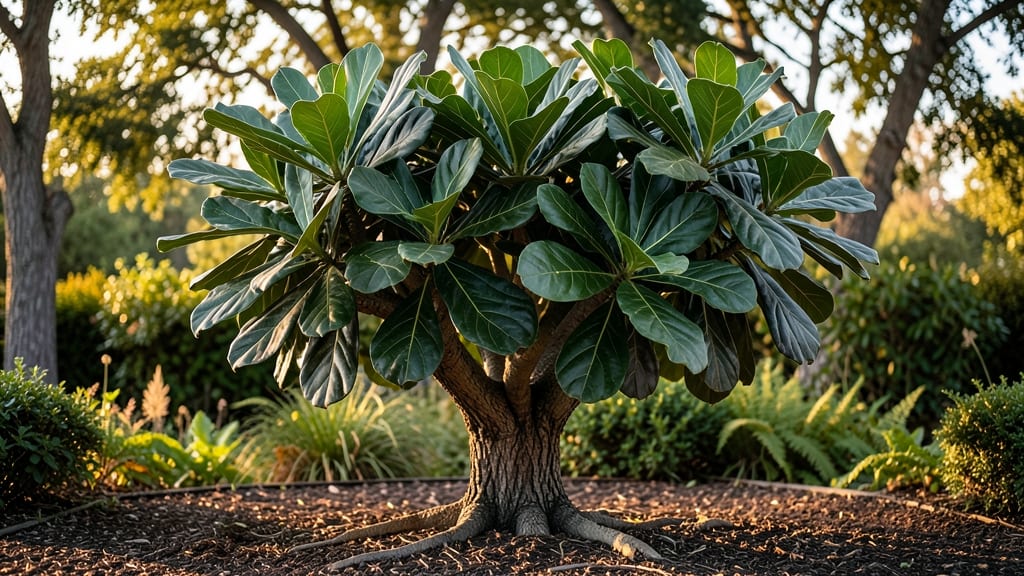
Growing a Ficus lyrata tree outdoors transforms your yard into a tropical oasis with its striking fiddle-shaped leaves. 🌿 The key is matching its natural habitat—warm climates, bright indirect light, and consistent moisture—without overcomplicating care. My first outdoor Ficus thrived for years with minimal fuss once I nailed these basics.
This tree handles containers beautifully or thrives planted in-ground, but it demands well-draining soil and protection from frost. In colder zones, treat it as an annual or overwinter it indoors—its glossy leaves won’t forgive neglect.
The real secret is watering: keep the soil evenly moist but never soggy, and you’ll see new growth all season long.
Pruning is simple—just remove yellowed leaves and trim leggy stems to encourage bushiness. With proper care, your Ficus will grow 6-10 feet tall outdoors, becoming the showstopper of your landscape. The best part? It rarely needs pruning beyond basic maintenance.
For container growers, choose a pot at least 18 inches wide with drainage holes, and move it indoors before temperatures drop below 50°F. In-ground plantings need shelter from harsh winds and consistent moisture to keep those signature leaves vibrant year-round.
📚 In This Guide
- What you need
- Instructions
- Tips and common mistakes
- Wrapping up and next steps
What you need
- ● Ficus lyrata plant: A healthy, mature specimen (ensure it’s acclimated to outdoor conditions if transitioning from indoors).
- ● Well-draining potting mix: 1 bag (10–15 lbs) of high-quality mix for fiddle-leaf figs (e.g., 50% peat/pine bark, 30% perlite, 20% coco coir).
- ● Container or in-ground plot: For containers: A pot 12–18 inches in diameter with drainage holes (ceramic or fabric grow bags work well).
- ● For in-ground planting: A hole twice as wide as the root ball, amended with compost.
- ● Pruning tools: Bypass pruners (1 pair) for clean cuts.
- ● Sterilizing alcohol (70% isopropyl) or rubbing alcohol to disinfect tools.
- ● Sharpie marker (for labeling cuts if needed).
- ● Watering can or hose with gentle spray nozzle (avoid overhead watering to prevent fungal issues).
- ● Organic fertilizer: Balanced liquid fertilizer (e.g., 10-10-10 or fish emulsion) or slow-release granules.
- ● Mulch: 2–3 inches of organic mulch (e.g., shredded bark or pine needles) to retain moisture.
- ● Gloves: Heavy-duty gardening gloves to protect your hands from sap.
- ● Root stimulator: A gel or powder to encourage root growth during repotting.
- ● Humidity tray: For containers in dry climates (pebbles + water tray beneath the pot).
- ● Plant support: Stakes or a small trellis if your fig grows tall and leggy.
- ● Soil pH test kit: To ensure your mix is slightly acidic (6.0–6.5).
- ● Decorative elements: Solar-powered lights, pebbles, or a stylish pot to elevate your outdoor setup!
How to grow a thriving Ficus lyrata tree outdoors
This tropical beauty thrives with simple care—just follow these steps to keep it lush year-round.
🌱 Step 1: Choose the Perfect Outdoor Location
Ficus lyrata, or fiddle-leaf fig, loves bright, indirect light—think morning sun with afternoon shade in warmer climates. In cooler zones, a south-facing window or patio works best, but avoid harsh afternoon rays that scorch leaves. I always test a spot by placing a similar-sized plant there for a week first; if the leaves stay vibrant, it’s a good fit.
This tree handles partial shade but may grow more slowly. In full sun, expect leaves to yellow or crisp at the edges—watch for this and adjust placement if needed. The ideal temperature range is 60-80°F, so protect it from frost or cold drafts. A sheltered porch or covered patio extends the growing season beautifully.
☀️ Step 2: Plant in Well-Draining Soil and a Spacious Container
Use a high-quality potting mix blended with 20% perlite or orchid bark to prevent root rot—a common killer of fiddle-leaf figs. I fill the pot to 1 inch below the rim, leaving room for watering. The container should be 2-3 inches wider than the root ball to allow growth without overcrowding. Terracotta pots help wick away excess moisture, but ensure they’re sturdy enough for the tree’s eventual height.
If planting directly in the ground, amend the soil with compost and sand to improve drainage. Ficus lyrata hates soggy roots, so avoid low-lying areas where water pools. After planting, water deeply until it drains from the bottom, then let the top 2 inches of soil dry out before watering again. Overwatering is the fastest way to kill this plant—trust me, I’ve learned the hard way.
💧 Step 3: Water and Feed for Healthy Growth
Water when the top 2 inches of soil feel dry—stick your finger in to check. In summer, this might mean watering every 5-7 days, while winter slows growth, so reduce to every 2-3 weeks. I always water at the base, avoiding leaves to prevent fungal issues. Let excess water drain completely; saucers should empty within an hour to avoid root suffocation.
Feed with a balanced liquid fertilizer (10-10-10) every 4-6 weeks during spring and summer. Cut back to monthly in fall and stop fertilizing in winter when growth slows. Yellowing leaves often signal overwatering or nutrient burn—adjust your routine if you see this. A light misting of leaves occasionally helps, but don’t make it a habit; fiddle-leaf figs prefer humidity but hate wet foliage.
✂️ Step 4: Prune for Shape and Encourage Bushiness
Pruning isn’t just for aesthetics—it keeps your ficus lyrata healthy and compact. Trim back leggy stems in early spring just above a leaf node to encourage new growth. I use clean, sharp pruners dipped in rubbing alcohol to prevent disease. Remove any yellow or damaged leaves immediately; they drain energy from the plant. If you want a fuller look, pinch back the tips of new growth to promote branching.
This tree tolerates pruning well, so don’t be afraid to shape it. Just avoid heavy pruning in fall or winter, as the plant needs time to recover before spring growth. After pruning, wipe the leaves with a damp cloth to remove dust—your ficus will thank you with glossier foliage and better photosynthesis. A little maintenance now means fewer struggles later.
⏰ Step 5: Protect and Prepare for Seasonal Changes
As temperatures drop below 50°F, move your ficus lyrata indoors or to a sheltered spot. Cold drafts and frost will kill it quickly, so act before the first frost date. In winter, reduce watering and stop fertilizing until spring. If you’re keeping it outside in a mild climate, a lightweight frost cloth can offer extra protection on chilly nights.
Before bringing it inside, inspect for pests like spider mites or scale. Isolate the plant for a week if you spot anything—early intervention saves headaches later. Once settled indoors, place it near a bright window or under grow lights for 12-14 hours daily. The transition from outdoor to indoor light can stress the plant, so monitor closely for leaf drop or wilting. Patience here pays off with a vibrant, resilient tree come spring.
Tips & tricks for perfect Ficus lyrata outdoor care
Between us, these little details make all the difference when keeping your fiddle-leaf fig thriving outdoors.
Light Testing: That one-week test placement in Step 1 is non-negotiable. I've seen too many plants suffer from "good enough" light spots that actually scorch leaves. Place your ficus in the candidate location for a full week before committing—if leaves develop crispy edges or fade, move it immediately. The goal is consistent bright indirect light, not just any sunny spot. Morning sun with afternoon shade is ideal, but if you're in a cooler climate, that south-facing window becomes your best friend.
Soil Science: The 20% perlite or orchid bark mix in Step 2 isn't just arbitrary—it's about creating the perfect air-to-moisture ratio. I recommend mixing in an extra 10% coconut coir if you're in a particularly humid climate, as it helps prevent compaction. And here's what nobody tells you: always test your soil's moisture level by sticking your finger in. If it feels damp below 2 inches, wait. This tree's roots will thank you by not rotting.
Seasonal Transition Strategy: When moving your ficus indoors below 50°F (Step 5), I've found the key is gradual acclimation. Start by moving it to a shaded outdoor spot for a week before bringing it inside completely. This helps prevent the shock that often causes leaf drop. Also, place it near a bright window or under grow lights for 12-14 hours daily—this mimics the natural light cycle and prevents that "winter blues" look many plants develop.
Pruning Precision: That early spring timing in Step 4 is crucial for encouraging new growth. I've learned this the hard way—pruning in late winter can stimulate growth too early, leaving your plant vulnerable to cold snaps. When you do prune, make your cuts just above a leaf node at a 45-degree angle. This promotes better water runoff and faster healing. And always clean your pruners with rubbing alcohol between cuts to prevent spreading any potential diseases.
Pro Tips for Ficus Lyrata Tree Outdoor
- Between us, these little details make all the difference when keeping your fiddle-leaf fig thriving outdoors.
- Light Testing: That one-week test placement in Step 1 is non-negotiable.
- Soil Science: The 20% perlite or orchid bark mix in Step 2 isn't just arbitrary—it's about creating the perfect air-to-moisture ratio.
Frequently asked questions
Got questions about keeping your Ficus lyrata thriving outdoors? Here are some common concerns—and their solutions—to help you grow a lush fiddle-leaf fig with ease!
Can a Ficus lyrata survive winter outdoors?
A Ficus lyrata is tropical and needs protection in cold climates. If temps drop below 50°F (10°C), bring it indoors or wrap it in frost cloth. In mild winters (Zone 10+), it can stay outside with some shade and mulch around the base. Pro tip: Avoid sudden temperature swings—these plants hate drafts!
How often should I water my outdoor Ficus lyrata?
Water when the top 2 inches of soil are dry—usually once a week in summer, but less in winter. Overwatering is the #1 killer! Ensure pots have drainage holes, and use well-draining soil. Test the soil: Stick your finger in—if it’s damp, wait a few days.
Why are the leaves turning yellow or brown?
Yellow leaves often signal overwatering, while brown edges or crispy leaves mean underwatering or low humidity. Check for pests (like spider mites) too! Move your plant to a shadier spot if leaves scorch in direct sun. Fix it: Adjust watering, mist leaves, or use a pebble tray for humidity.
Can I prune my Ficus lyrata outdoors year-round?
Light pruning (removing dead/damaged leaves) is safe anytime, but avoid heavy pruning in winter—it stresses the plant. Best time? Spring or early summer when growth is active. Sterilize shears with rubbing alcohol to prevent disease. Bonus: Propagate cuttings in water!
What’s the best outdoor spot for a Ficus lyrata?
Place it in bright, indirect light (morning sun is ideal). Avoid harsh afternoon rays or dark corners. A porch, patio, or courtyard with partial shade works great. If outdoors long-term, use a large pot (10+ gallons) for stability and root growth.
How do I protect it from wind or storms?
Strong winds can tear leaves or topple pots. Secure the pot with stakes or a heavy base, and move it to a sheltered spot (like near a wall) during storms. If leaves get damaged, trim them back—your plant will bounce back!
Wrapping up and next steps
The Ficus lyrata (or fiddle-leaf fig) is a stunning, low-maintenance plant that thrives outdoors with just a little care—especially when it comes to pruning! 🌿 With its striking leaves and adaptability, this tree brings year-round elegance to your garden or patio.
Whether you're trimming for shape, health, or growth control, the key is timing and technique.
Ready to give your fiddle-leaf fig the TLC it deserves? Start by assessing its needs, gather your tools, and follow the simple steps above. Your outdoor oasis—and your plant’s happiness—will thank you! Next up? Explore how to repot or relocate your Ficus lyrata for even more growth potential.