
Pests and Diseases
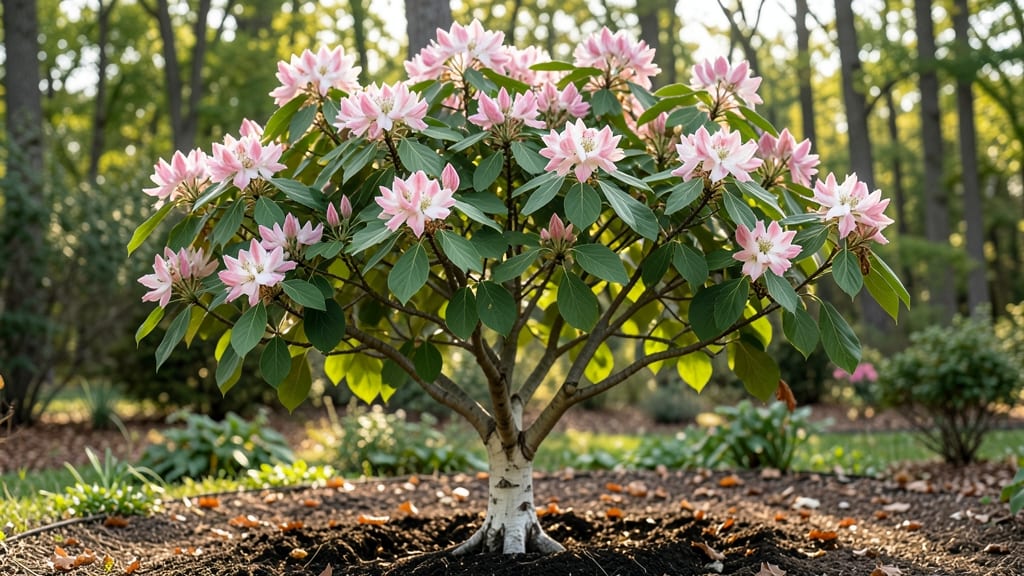
A pink-and-white dogwood tree transforms any yard into a dreamy spring tableau—its delicate blooms outshine everything else for weeks. 🌸 I planted mine near the front porch where the morning light catches the petals just right, and now it’s the first thing guests notice.
The contrast of soft pink against creamy white creates that "wished I’d taken a photo" moment every April. This isn’t just a spring star—its burgundy fall foliage and smooth bark add winter interest, making it a year-round anchor.
Pair it with ferns for shade gardens or tulips for cottage charm, and you’ve got a low-maintenance centerpiece that feels like a painting. The best part? It thrives in partial shade, so even tricky spots get an upgrade. Think of it as nature’s perfect canvas.
📚 In This Guide
- What you need
- Instructions
- Tips and common mistakes
- Wrapping up and next steps
What you need
- ● Garden gloves (2 pairs – one for pruning, one for chemical handling)
- ● Pruning shears (bypass type, sharp, and sterilized with 70% isopropyl alcohol)
- ● Loppers (for thicker branches, 6–8 inch blades)
- ● Hose with adjustable nozzle (for rinsing tools and tree)
- ● Fungicide (copper-based or neem oil, 2–4 oz per gallon of water)
- ● Insecticidal soap (1–2 tablespoons per quart of water, for soft-bodied pests like aphids)
- ● Systemic insecticide (e.g., imidacloprid, follow label rates for dogwoods)
- ○ Tree wound dressing (optional but helpful for pruning cuts, 1–2 tubes)
- ● pH test kit (to check soil acidity, ideal range: 5.0–6.5 for dogwoods)
- ● Mulch (2–3 inches of pine bark or wood chips, keep 6 inches away from trunk)
- ● Reflective shield (for safety when using pesticides)
- ● Spray bottle (for targeted neem oil or insecticidal soap applications)
- ● Tree banding (to protect trunks from rodents or sunscald)
- ● Soil moisture meter (to monitor hydration without overwatering)
- ● Beneficial nematodes (for organic pest control, apply in early spring)
How to plant and care for a pink-and-white dogwood tree
This stunning tree brings four-season beauty to your yard with minimal fuss.
🌱 Step 1: Choose the Perfect Planting Spot
Dogwoods thrive in partial shade to full sun—at least 4-6 hours of sunlight daily—but their iconic blooms develop best with morning sun and afternoon shade in hotter climates. Avoid low-lying areas where cold air settles, as dogwoods are sensitive to late spring frosts that can damage emerging buds.
Test your spot by observing how sunlight moves across it throughout the day. A location near a patio or walkway works well, as the tree’s delicate blooms and fall foliage offer year-round interest. The soil should drain well but retain moisture—dogwoods hate soggy roots. If your yard has heavy clay, amend with 2-3 inches of compost mixed into the top 12 inches of soil.
🪴 Step 2: Dig and Plant at the Right Depth
Dig a hole twice as wide as the root ball but no deeper—dogwoods dislike having their roots buried too deep. Gently remove the tree from its container and loosen any circling roots with your fingers. This encourages outward growth instead of a girdling root that can strangle the tree as it matures.
Place the tree in the hole so the top of the root ball sits level with the surrounding soil. Fill the hole with native soil, tamping lightly every 4-6 inches to eliminate air pockets. Water deeply to settle the soil around the roots, then create a 2-inch-high berm around the base to direct water away from the trunk. Mulch with 2-3 inches of shredded bark, keeping it 6 inches away from the trunk to prevent rot.
☀️ Step 3: Water and Fertilize for Strong Growth
Water your dogwood deeply once a week for the first two months, ensuring the soil stays moist but not soggy. You’ll know it’s right when the top 2 inches of soil feel damp—like a wrung-out sponge. Overwatering causes root rot, while underwatering leads to leaf scorch. After the first year, water only during drought periods, as established dogwoods are surprisingly drought-tolerant once mature.
Apply a balanced, slow-release fertilizer (10-10-10) in early spring, just as new growth begins. Use ½ pound per 100 square feet of root zone—too much fertilizer burns roots and reduces bloom quality. Dogwoods are light feeders, so skip fertilizer in the second year unless the tree looks stressed. Instead, focus on 2-3 inches of mulch each fall to protect roots and retain moisture.
✂️ Step 4: Prune for Shape and Health
Dogwoods need minimal pruning—just remove dead, diseased, or crossing branches in late winter or early spring before buds swell. Never prune in fall, as open wounds invite borers and fungal infections. Use clean, sharp pruners to make cuts just outside the branch collar (the swollen area where the branch meets the trunk).
If your tree grows too tall for your space, you can lightly shape it by shortening branches by no more than ⅓ of their length. Avoid heavy pruning—dogwoods bloom on old wood, so aggressive cuts reduce next year’s flowers. Thin out crowded branches to improve airflow, which prevents powdery mildew, a common issue in humid climates. After pruning, water deeply to help the tree recover.
🌿 Step 5: Protect and Enjoy Year-Round Beauty
Dogwoods are low-maintenance, but they do need protection from late frosts. If your area gets spring freezes after buds form, cover the tree with frost cloth on cold nights below 28°F. Remove the cloth during the day to allow sunlight. In summer, watch for dogwood borers—tiny holes in the bark signal an infestation. Treat with neem oil spray in early summer to deter them before they cause damage.
Enjoy your tree’s pink-and-white blooms in spring, vibrant red fall foliage, and even winter interest from its exfoliating bark. Dogwoods are slow growers—expect 12-24 inches of growth per year—but their patience pays off with decades of elegant beauty. With proper care, yours will thrive for 50+ years, becoming a cherished landscape centerpiece.
Tips & tricks for perfect dogwood tree planting
Here's what nobody tells you about making your dogwood thrive from day one.
Location Matters: The 4-6 hours of sunlight mentioned in Step 1 is non-negotiable, but here's the secret: observe your yard between 10 AM and 2 PM when the sun is strongest. Dogwoods in hot climates actually prefer morning sun and afternoon shade - this prevents leaf scorch while still giving them enough light for those stunning blooms. I've seen dogwoods in full afternoon sun develop brown patches, so if you're in a southern location, consider planting on the north side of structures.
Root Ball Preparation: In Step 2, when loosening those circling roots, don't just pull them apart - gently tease them outward with your fingers. This encourages the roots to spread horizontally rather than growing in circles around the trunk. I've seen too many dogwoods develop girdling roots that actually strangle the tree over time. Also, if your root ball is wrapped in burlap, leave it on during planting - it helps retain moisture while the roots establish.
Watering Wisdom: That first two months of weekly deep watering in Step 3 is crucial, but here's how to do it right: water slowly until you see water pooling at the edges of your planting hole. This ensures water penetrates all the way to the root ball. I like to use a soaker hose for this - it waters deeply without disturbing the soil. And remember, the top 2 inches should feel like a wrung-out sponge, not a muddy mess.
Frost Protection Hack: When those spring freezes threaten below 28°F, don't just throw any old blanket over your tree. Use frost cloth specifically designed for plants - it's breathable and lets sunlight through while protecting from cold. I've seen people use old sheets, but they can trap too much moisture and actually cause more damage. Also, remove the frost cloth by mid-morning to let your dogwood get sunlight for photosynthesis.
Pro Tips for Dogwood Tree Pink And White
- Here's what nobody tells you about making your dogwood thrive from day one.
- Location Matters: The 4-6 hours of sunlight mentioned in Step 1 is non-negotiable, but here's the secret: observe your yard between 10 AM and 2 PM when the sun is strongest.
- Root Ball Preparation: In Step 2, when loosening those circling roots, don't just pull them apart - gently tease them outward with your fingers.
Frequently asked questions
Got questions about your Cornus florida (pink and white dogwood) or how to keep it thriving? Here are some of the most common concerns—plus expert-backed answers to help you grow with confidence!
When is the best time to plant a pink-and-white dogwood?
The ideal window is late fall to early spring (October through March in most zones). Planting then lets roots establish before summer heat stress. Avoid extreme cold snaps—wait until soil temps are above 40°F for safety. Pro tip: Water deeply after planting and mulch with 2–3 inches of organic matter to retain moisture.
Why are my dogwood leaves turning brown or yellow?
Brown/yellow leaves often signal fungal diseases (like anthracnose) or pests (e.g., dogwood borers). Check for:
- Powdery spots on leaves = prune infected branches in dormant season and apply copper fungicide.
- Holes or sawdust-like frass = borers! Inject beneficial nematodes or contact your local Cooperative Extension for treatment.
- Drought stress = water 1–2 inches per week (deeply, not frequently).
Prevention tip: Space trees for airflow and avoid overhead watering.
Can pink-and-white dogwoods survive winter damage?
Dogwoods are hardy to USDA Zones 5–9, but young trees or harsh winters may cause winter burn (brown leaf edges). Protect them by:
- Wrapping the trunk with burlap in late fall.
- Avoiding heavy snow buildup (gently brush off branches).
- Mulching 3–4 inches deep (keep mulch 6 inches away from the trunk).
Good news: New growth in spring often masks winter damage!
What’s a good alternative if my dogwood isn’t thriving?
If your dogwood struggles with pests/disease, consider these low-maintenance, blooming alternatives:
Tree
Bloom Color
Hardiness Zone
Key Benefit
Serviceberry (Amelanchier)
White/pink
3–8
Edible berries + disease-resistant
Kousa Dogwood (Cornus kousa)
Pink/white
5–8
More pest-resistant than C. florida
Fringe Tree (Chionanthus)
White
4–8
Fragrant blooms + tolerates wet soil
Bonus: All three attract pollinators like dogwoods!
How do I encourage bigger, healthier blooms?
Dogwoods bloom on old wood, so avoid heavy pruning in late winter/early spring. Instead:
- Prune right after flowering (May–June) to shape and remove dead branches.
- Fertilize in early spring with a balanced 10-10-10 formula (skip high-nitrogen—it reduces blooms!).
- Ensure 6+ hours of sunlight (partial shade is fine, but full shade = fewer flowers).
Pro move: Mulch annually to improve soil health and retain moisture.
Wrapping up and next steps
The pink-and-white dogwood tree isn’t just a seasonal showstopper—it’s a year-round investment in beauty and resilience. From its stunning spring blooms to its vibrant fall foliage, this tree brings effortless elegance to any landscape while staying tough against pests and diseases with the right care. 🌸
Ready to make your garden shine? Start by planting one this season—or if you already have a dogwood, give it some extra love with the tips you’ve learned. Whether you’re a gardening pro or a beginner, this tree is a rewarding choice that keeps giving back!