
Pruning
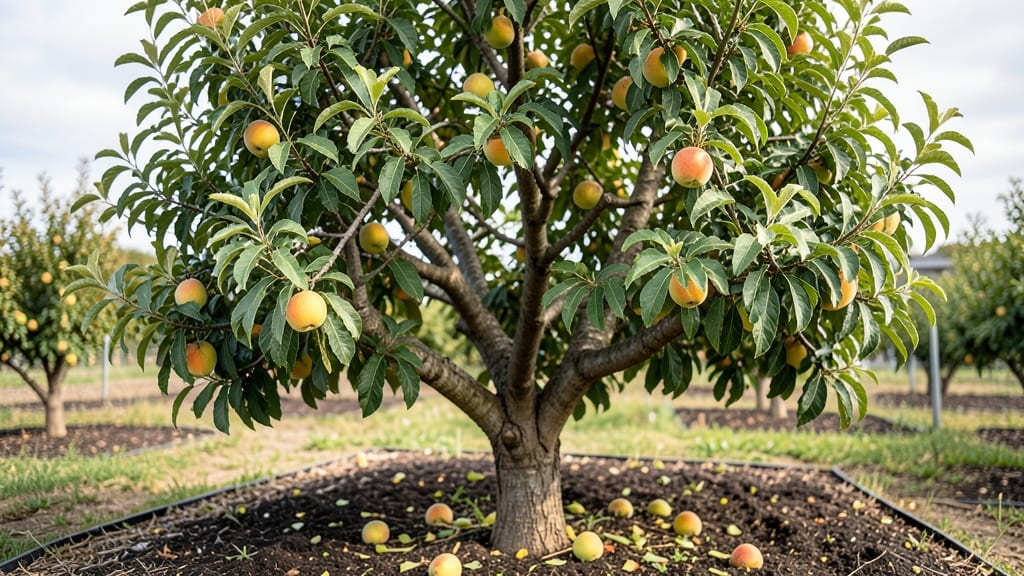
Your peach tree dropping fruit is often a pruning problem in disguise. 🌿 I’ve seen this happen every year after heavy spring blooms—when trees can’t support the weight or lack the right structure. The good news? Three targeted pruning fixes can turn this around before your next harvest.
First, thin out overcrowded branches to improve airflow and reduce stress on the tree. Next, remove water sprouts (those fast-growing vertical shoots) that steal energy from fruit production. Finally, prune in late winter when the tree is dormant—this gives it time to heal before summer’s heat sets in.
With these adjustments, your tree will focus energy on firm, juicy peaches instead of dropping them early. You’ll also cut back on pests and diseases that thrive in dense foliage. The key is patience—it takes one growing season to see the full benefits.
If your tree keeps struggling after pruning, check for brown rot or peach tree borers—both can cause fruit drop. Organic neem oil sprays or copper fungicides often work, but severe cases may need a professional’s touch. Let’s get that tree bearing fruit again!
Root Causes Behind Fruit Drop
Understanding why your peach tree is prematurely shedding fruit is the first step to saving your harvest. 🌳🍑 While some fruit drop is natural (especially early in the season), excessive loss can stem from environmental stress, nutritional imbalances, or even overzealous growth.
Below, we break down the key reasons—backed by science—and what they mean for your tree’s health.
---
Peach trees are sensitive to rapid temperature fluctuations, particularly during bloom and fruit set (late spring). When nights stay too cold (<50°F) or days spike above 90°F, the tree’s metabolic processes go haywire.
- Cold Stress: Low temperatures disrupt pollination and fertilization, causing young fruit to abort.
If frost hits after bloom, the tree may drop up to 90% of its fruit within days. - Heat Stress: High daytime temps (especially >95°F) lead to water stress, causing fruit to shrivel and drop.
The tree prioritizes survival over fruit retention. - Solution: Monitor forecasts and use frost cloths or row covers in early spring. For heat, ensure deep watering (1–2 inches per week) and mulch to regulate soil temp.
---
Peaches need consistent moisture, but irregular watering—whether drought or overwatering—triggers fruit drop.
- Underwatering: Shallow roots struggle to supply nutrients, leading to small, misshapen fruit that falls prematurely. Stress hormones (like ethylene) signal the tree to shed low-quality fruit. - Overwatering: Soggy soil cuts off oxygen, causing root rot and nutrient deficiencies (especially boron and calcium).
Weak fruit can’t develop properly. - Solution: - Water deeply 2–3 times per week (not daily). - Check soil moisture 2 inches below the surface—it should be damp, not drenched. - Avoid wetting leaves to prevent fungal diseases like brown rot.
---
Pathogens and pests compete with your tree for resources, forcing it to drop fruit to conserve energy.
- **Brown Rot (Monilinia fructicola): This fungus attacks blossoms and fruit, causing them to rot and drop.
It thrives in wet, humid conditions (especially after rain). - Peach Leaf Curculio: This beetle lays eggs in fruit, and larvae feed inside, causing premature drop. - Aphids/Scale Insects: These sap-suckers weaken the tree, reducing its ability to support fruit. - Solution: - Prune for airflow to reduce humidity around fruit. - Apply fungicide (copper-based or potassium bicarbonate) at pink bud stage and again after harvest. - Use insecticidal soap or neem oil for pests during bloom.
---
Peach trees need specific nutrients for fruit retention. Deficiencies or excesses (like too much nitrogen) can cause blind wood (no fruit) or fruit drop.
| Nutrient | Deficiency Signs | Impact on Fruit | Fix | |-------------|----------------------|---------------------|---------| | Boron | Cracked bark, small fruit | Fruit splits or drops early | Apply borax (1 tbsp/gal water) as a foliar spray. | | Calcium | Blossom end rot, weak cell walls | Fruit softens and falls | Side-dress with gypsum or lime in early spring. | | Zinc | Stunted growth, small leaves | Poor fruit set | Use chelated zinc spray at bud break. | | Nitrogen (Excess) | Lush foliage, no fruit | Tree prioritizes leaves over fruit | Reduce high-nitrogen fertilizers; add potassium instead. |
--- If your peach tree is too vigorous (from excessive fertilizer or young age), it may overproduce blossoms but lack the energy to support all the fruit.
- Thinning is key: Too many fruit compete for sugars and water, leading to small, weak fruit that drops. - Solution: - Hand-thin fruit when they’re 1-inch diameter (keep 6–8 inches between fruits). - Prune in late winter to open the canopy and reduce blind wood (branches with no fruit).
--- - Wind/Storm Damage: Heavy fruit can snap branches, causing stress and drop. - Poor Pollination: If your tree lacks cross-pollination (or has few bees), fruit won’t develop properly. - Solution: - Stake young trees in windy areas. - Plant a second variety (like ‘Redhaven’ + ‘Elberta’) if bees are scarce. - Hand-pollinate** with a small brush if needed (though this is rare for peaches).
Fixing Fruit Drop Naturally
If your peach tree is dropping fruit prematurely, don’t panic—there are practical ways to turn things around. Below are targeted solutions for the most common causes, along with prevention tips to keep your tree healthy and productive for years to come.
---
When a peach tree produces too much fruit at once, it struggles to support all of it, leading to premature drop. This is especially common in young trees or after a cold winter.
#### How to Fix It ✅ Thin the Fruit Early (🍑🔪) - When: 2–4 weeks after petals fall (when fruit is still small, ~1 inch in diameter). - How: - Wear gloves to avoid sticky sap. - Gently twist or snip off excess fruit, leaving 6–12 inches between remaining peaches (adjust based on tree size). - Prioritize larger, healthier-looking fruit—small, misshapen, or damaged ones go first. - Goal: Reduce the load by 30–50% to improve air circulation and fruit quality.
✅ Encourage Stronger Branches (🌱💪) - Fertilize lightly with a balanced 10-10-10 or citrus-specific fertilizer (high in nitrogen early in the season). - Avoid overwatering—soil should be moist but not soggy. Drought stress can weaken the tree’s ability to support fruit.
💡 Pro Tip: If your tree is young (<3 years old), remove 70–80% of fruit to build root strength for future harvests.
---
Peach trees are sensitive to extreme temperatures and water fluctuations, which can cause fruit to drop suddenly.
#### How to Fix It ✅ Adjust Watering Practices (💦🌱) - During drought: Water deeply 1–2 times per week (early morning or evening) to encourage deep root growth. - After rain: Ensure soil drains well—waterlogged roots can suffocate the tree. - Mulch heavily (3–4 inches of wood chips or straw) to retain moisture and regulate soil temp.
✅ Protect from Late Frosts (❄️🔥) - If frost is forecasted after blossoms appear, cover the tree with a lightweight frost cloth at night. - Avoid overhead watering before frost—wet blossoms freeze faster.
✅ Shade Cloth for Heatwaves (☀️🌿) - If temperatures exceed 90°F (32°C), install 30–50% shade cloth to reduce stress. - Prune lower branches to improve airflow if the tree is crowded.
💡 Pro Tip: Morning watering reduces evaporation and fungal risks compared to afternoon watering.
---
Pests like peach tree borers, aphids, or fungal infections (e.g., brown rot) can weaken the tree, causing fruit to drop.
#### How to Fix It ✅ Inspect for Pests (🔍🐜) - Signs of borers: Sawdust-like frass near the trunk or branches. Treat with: - Neem oil spray (early season) or beneficial nematodes (for larvae). - Prune and burn infested branches immediately. - Aphids/spider mites: Spray with soapy water (1 tsp mild soap + 1 quart water) or horticultural oil.
✅ Prevent Fungal Infections (🍄🚫) - Remove fallen fruit (especially if moldy) to prevent brown rot from spreading. - Apply copper fungicide (like Copper Soap) before blossoms open and after harvest. - Space trees properly (15–20 ft apart) for better airflow.
✅ Strengthen Tree Health (🌿💪) - Fertilize in early spring with potassium-rich fertilizer (e.g., 0-0-50) to boost disease resistance. - Prune for sunlight—remove crossing or dead branches to reduce hiding spots for pests.
💡 Pro Tip: Dormant oil spray (applied in late winter) smothers overwintering pests before they hatch.
---
If your tree wasn’t pruned correctly last season, it may be overloaded, weak, or prone to disease, leading to fruit drop.
#### How to Fix It ✅ Prune for Balance (✂️🌳) - When: Late winter/early spring (before buds swell) or summer (to reduce water sprouts). - What to do: - Remove dead, diseased, or crossing branches. - Open the canopy by thinning 10–20% of the smallest branches to improve airflow. - Avoid heavy pruning in late summer—it can stimulate weak growth before winter.
✅ Encourage New Growth (🌱💡) - Summer pruning (June–July): Trim suckers and water sprouts to redirect energy to fruit-bearing branches. - Avoid topping (cutting the main stem flat)—this stresses the tree.
💡 Pro Tip: Prune at a 45° angle just above an outward-facing bud to encourage healthy growth.
--- To keep your peach tree healthy and productive, follow these year-round habits: - Spring: Fertilize + dormant oil spray + early thinning. - Summer: Mulch + water deeply + monitor pests. - Fall: Clean up debris + prune for winter prep. - Winter: Protect from frost + plan next year’s pruning.
By addressing the root cause of your peach tree’s fruit drop and adjusting care habits, you’ll see fewer dropped peaches and bigger, sweeter harvests next season! 🍑✨
Frequently asked questions
Why does my peach tree drop fruit even when it looks healthy?
Even healthy trees drop fruit due to natural thinning—up to 20% is normal. But excessive loss often signals stress from overcrowded branches, nutrient imbalances, or pests like peach tree borers. Check for small, uneven fruit or holes in peaches—these are red flags.
Is it too late to save my peaches if they're already dropping?
Not necessarily! If the fruit is still small (1-inch diameter), hand-thin aggressively to reduce stress on the tree. For larger fruit, focus on watering deeply and protecting from pests. Late-season drops are often unavoidable, but next year’s harvest can still improve with proper care.
How do I know if my peach tree has a pest problem causing fruit drop?
Look for these clues: sawdust-like frass near branches (borers), tiny holes in peaches (curculio), or sticky residue on leaves (aphids). Shake branches over a white sheet—pests will fall out. Treat with neem oil or insecticidal soap if you spot them.
Can over-fertilizing cause my peach tree to drop fruit?
Yes! Too much nitrogen (like lawn fertilizer) encourages leafy growth at the expense of fruit. The tree prioritizes foliage over peaches, leading to drop. Switch to a balanced 10-10-10 or potassium-rich fertilizer (like 0-0-50) to support fruit retention.
Should I prune my peach tree in summer if it's dropping fruit?
Light summer pruning is fine—focus on removing water sprouts and crossing branches to improve airflow. Avoid heavy pruning, which stresses the tree. The best time is late winter, when you can shape the tree before new growth starts.