
Pruning
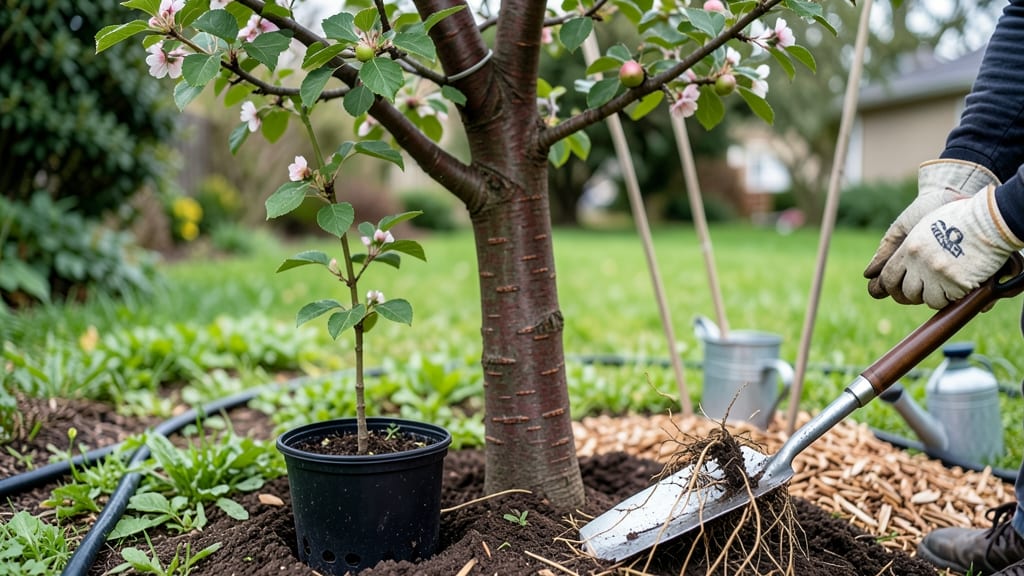
Planting a crab apple tree means adding four-season beauty to your yard—vibrant blooms in spring, glossy foliage through summer, fiery fall color, and persistent fruit for winter interest. 🌿 I’ve planted three varieties myself, and the Malus ‘Adirondack’ stands out for its disease resistance and crimson-red fruit that birds adore.
The key to success starts with choosing the right spot and preparing the soil properly.
You’ll need a sunny location with well-draining soil—crab apples hate soggy roots. Dig a hole twice as wide as the root ball but no deeper, and mix in compost for nutrients.
The best time to plant is in early spring or fall, when temperatures are mild and the tree can establish roots before extreme weather. Spacing matters too: give trees 15-20 feet apart to prevent overcrowding as they mature.
After planting, water deeply to settle the soil and keep the root zone moist for the first two weeks. Mulch around the base (but not touching the trunk) to retain moisture and suppress weeds.
Young trees need regular watering—once a week in dry spells—until they’re established. With proper care, your crab apple will reward you with decades of color and wildlife benefits.
For long-term health, prune in late winter to remove dead wood and shape the tree. Cold-hardy varieties like ‘Adirondack’ or ‘Evereste’ thrive in zones 3-8, making them perfect for northern climates. Once established, they’re low-maintenance but pay off with year-round interest and minimal effort. Ready to get started?
📚 In This Guide
- What you need
- Instructions
- Tips and common mistakes
- Wrapping up and next steps
What you need
- ● Crab apple tree sapling: Choose a cold-hardy variety (e.g., Malus coronaria or Malus sargentii) from a reputable nursery. Size: 1–3 gallons (5–15 gallons for faster establishment).
- ● Shovel or digging spade: Size: 12–18 inches wide for easy digging.
- ○ Garden fork or tiller: For loosening compacted soil (optional but helpful for heavy clay).
- ● Compost or well-aged manure: Quantity: 5–10 gallons to mix into planting hole.
- ● Native soil or topsoil: Quantity: Enough to backfill the hole (avoid heavy clay or sand).
- ● Mulch (wood chips, straw, or pine needles): Quantity: 2–3 inches, spread in a 3-foot radius around the tree (keep mulch away from the trunk!).
- ● Watering can or hose with nozzle: For deep watering (aim for 1–2 gallons per week initially).
- ○ Tree stake (optional but recommended): Length: 4–6 feet, Material: untreated wood or metal.
- ● Tree tie or soft fabric strip: To secure the stake to the tree without damaging bark.
- ● Mycorrhizal fungi: Inoculate roots at planting to boost soil health (especially in poor soil).
- ● Slow-release fertilizer (balanced 10-10-10): Amount: 1–2 cups mixed into the planting hole.
- ● Pest/disease control: Copper fungicide (preventative) or neem oil spray (for young trees).
- ● Soil test kit: Check pH (ideal: 6.0–7.0) before planting.
- ● Pruning shears: For shaping the tree post-planting (sterilize blades with rubbing alcohol!).
Step-by-Step guide to planting cold-hardy crab apple trees
Here's the foolproof method I use to establish thriving crab apples that reward you with blossoms, fruit, and brilliant fall color for decades.
🪴 Step 1: Choose the Perfect Planting Location
Select a spot with full sun exposure (6-8 hours daily) and well-draining soil—crab apples despise soggy roots. I always test drainage first by digging a 12-inch deep hole and filling it with water; if it doesn't drain within 2-3 hours, amend with 2 inches of compost mixed into the native soil.
The tree needs 10-15 feet of clearance from structures and other plants to develop properly. Avoid low-lying areas where cold air pools—crab apples are cold-hardy but still need good airflow. Mark the planting site with stakes to visualize the mature spread before digging.
🌱 Step 2: Prepare the Planting Hole and Tree Root System
Dig a hole twice as wide as the root ball but only as deep—planting too deep suffocates roots. Loosen the soil at the bottom with a shovel to encourage root penetration. If your soil is heavy clay, mix in 1 part compost to 3 parts native soil at the hole's base.
Gently remove the tree from its container and inspect the roots. If they're circling or bound, use your fingers to tease them outward. Place the tree in the hole so the top of the root ball sits 1-2 inches above ground level—this prevents settling that could bury the trunk over time.
💧 Step 3: Backfill and Water for Immediate Root Contact
Fill the hole with native soil mixed with 1/3 compost by volume, tamping gently every 2 inches to eliminate air pockets. Avoid compacting the soil too firmly—you want roots to grow into loose soil. I like to create a 3-inch deep water well around the base to direct irrigation.
Water immediately with 5 gallons of water to settle the soil and eliminate air gaps. The soil should look uniformly moist down to 12 inches deep. Mulch with 2-3 inches of wood chips, keeping it 6 inches away from the trunk to prevent rot. This mulch ring helps retain moisture and regulate soil temperature.
☀️ Step 4: Stake and Protect for the First Critical Season
Install two 2-foot stakes on opposite sides of the tree, 6 inches from the trunk, and secure with flexible tree ties—not wire, which can girdle the trunk. This provides support while roots establish. I also wrap the trunk with tree guard to protect against rodent damage and sun scorch.
Water twice weekly during the first growing season, providing 10-15 gallons per watering to encourage deep root growth. Check soil moisture by inserting a finger 3 inches down—if it's dry, water. Avoid overhead irrigation, which can spread disease. In winter, add 4-6 inches of mulch around the base for insulation.
⏰ Step 5: Prune for Structure and Health in Early Spring
Wait until bud break but before new growth to prune. Remove any crossing branches or those growing inward to create an open canopy. I make cuts just outside the branch collar at a 45-degree angle to promote faster healing. Never remove more than 25% of the canopy in the first year.
Look for any dead, diseased, or damaged wood—crab apples are prone to fire blight, so remove infected branches 6 inches below the infection and sterilize pruners with rubbing alcohol. Thin the center of the tree to improve airflow, which reduces fungal risks. After pruning, apply a 1-inch layer of compost around the drip line to replenish nutrients.
Tips & tricks for perfect crab apple tree planting
These pro-level insights will help you avoid common pitfalls and ensure your cold-hardy crab apple thrives from day one.
Location Wisdom: The 6-8 hours of daily sun is non-negotiable—crab apples need full sun to develop their signature fruit and vibrant fall color. I've planted in partial shade before, and while the trees survived, they produced sparse fruit and duller foliage. Also, that 12-inch drainage test is crucial: if water pools after 2-3 hours, you're dealing with compacted soil that can suffocate roots. In clay-heavy areas, I've found mixing in 2 inches of compost at planting actually improves drainage over time by breaking up the soil structure.
Root System Care: When teasing out those bound roots in Step 2, work gently but deliberately—you're not trying to rip them apart, just encourage outward growth. The 1-2 inches above ground level placement is critical: too deep and you'll smother the trunk; too shallow and it becomes vulnerable to temperature swings. I like to use a level to ensure the root ball sits perfectly straight in the hole before backfilling.
Watering Strategy: That initial 5-gallon watering isn't just about settling the soil—it's about creating immediate root contact. I've seen many gardeners skip this step, and their trees struggle to establish. For the 10-15 gallons during the first season, I use soaker hoses placed at the drip line rather than overhead watering, which dramatically reduces disease risk. The 3-inch water well I create around the base helps direct water exactly where new roots will form.
First-Year Protection: The 2-foot stakes should be positioned at a 45-degree angle for maximum support, and those flexible ties are worth every penny—they expand as the tree grows without cutting into the bark. I've lost count of how many trees I've seen with wire ties that actually girdled the trunk. For rodent protection, I've had great success with hardware cloth wrapped around the trunk rather than just tree guard, especially in areas with heavy deer or rabbit populations.
Pro Tips for Crab Apple Tree Planting
- These pro-level insights will help you avoid common pitfalls and ensure your cold-hardy crab apple thrives from day one.
- Location Wisdom: The 6-8 hours of daily sun is non-negotiable—crab apples need full sun to develop their signature fruit and vibrant fall color.
- Root System Care: When teasing out those bound roots in Step 2, work gently but deliberately—you're not trying to rip them apart, just encourage outward growth.
Frequently asked questions
Got questions about planting crab apple trees?
You’re not alone! Here are answers to the most common ones to help you get started with confidence.
When is the best time to plant a crab apple tree?
The ideal time is early spring or fall—when the soil is workable but not frozen. Spring planting (March–April) gives roots time to establish before summer heat, while fall (September–October) allows roots to settle before winter dormancy. Avoid planting in extreme heat or cold.
How far apart should I space crab apple trees?
Space trees 15–25 feet apart for full-grown size, depending on the variety. Dwarf cultivars (like ‘Dolgo’) can be planted 8–12 feet apart. Proper spacing ensures airflow, reducing disease risk and allowing branches to spread naturally for that classic, picturesque look.
Are crab apple trees prone to pests or diseases?
Yes, but don’t worry—most issues are manageable! Common pests include apple maggots and aphids, while diseases like fire blight or powdery mildew can occur. Choose resistant varieties (e.g., ‘Adams’ or ‘Sargent’), prune regularly to improve airflow, and monitor for early signs of trouble.
Can I grow a crab apple tree in a container?
While possible, it’s not ideal for long-term health. Crab apple roots grow deep, and containers limit growth. If you must, use a large (20+ gallon) pot with drainage, repot every 2–3 years, and expect smaller fruit. For best results, plant in the ground where roots can thrive!
Will crab apples produce edible fruit?
Technically yes, but they’re tart and astringent—not great for fresh eating! They’re better for jams, jellies, or wildlife (birds and deer love them). If you want sweeter apples, pair your crab apple with a pollinator like ‘Honeycrisp’ or ‘Gala’ for cross-pollination.
Wrapping up and next steps
Planting a crab apple tree is a rewarding way to add year-round beauty, wildlife support, and seasonal interest to your landscape. Whether you’re drawn to their vibrant blooms, colorful fruit, or durable wood, these cold-hardy varieties offer low-maintenance charm for decades.
Now that you’re equipped with the right varieties, tools, and tips, there’s no better time to roll up your sleeves—dig in, plant with confidence, and watch your garden transform! 🌳✨
Next steps:
- Check your USDA hardiness zone and pick your favorite variety.
- Mark your calendar for fall planting (or early spring) to give roots time to establish.
- Share your progress with fellow gardeners—tag us in your photos!