
Pruning
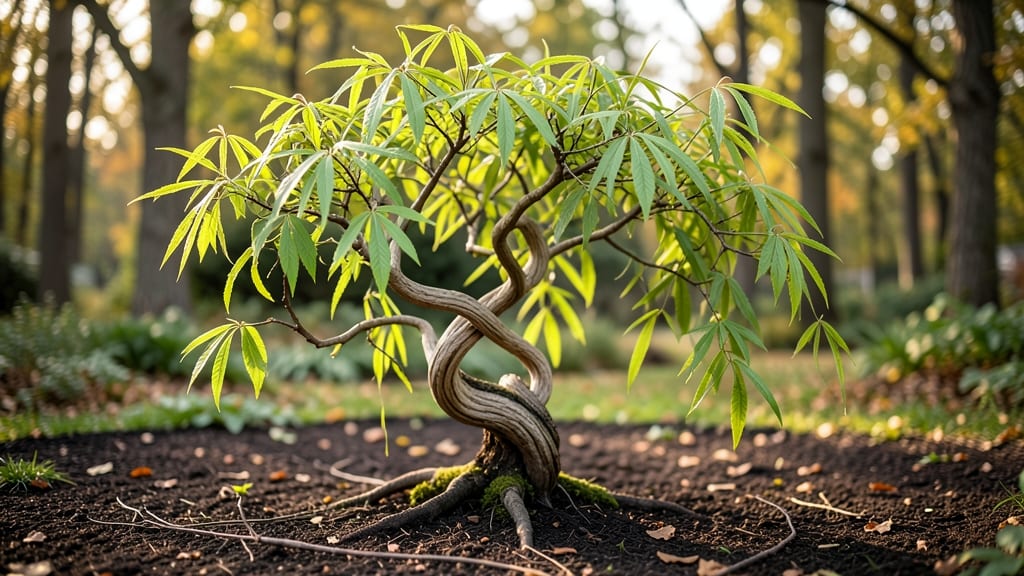
Those cascading, twisted branches turn every garden into a living sculpture—but the corkscrew willow tree pictures you’ll find online can’t capture its true magic. 🌿 The corkscrew willow isn’t just a tree—it’s a statement piece that adds drama, texture, and year-round interest to landscapes, small gardens, and water features alike.
I’ve seen it transform dull corners into focal points with its silvery bark and spiraling limbs that seem to dance in the wind. What makes it special? Unlike ordinary willows, its branches grow in a tight, corkscrew pattern, creating a mesmerizing effect that catches the light at every angle.
Whether planted solo as a specimen or grouped near ponds for a whimsical touch, it thrives in moist soil and partial sun—perfect for adding organic structure without overwhelming the space.
Imagine your garden in winter: while most plants fade, this willow’s twisted branches stand out against snow or bare branches, offering stark beauty. Pair it with evergreens for contrast or let it spill over a retaining wall for a soft, flowing silhouette.
The possibilities are endless, and the impact is immediate. For best results, prune lightly in late winter to encourage dense growth, and avoid overwatering—it’s surprisingly drought-tolerant once established. The key is letting its natural shape shine while guiding it with subtle shaping. Ready to make your landscape unforgettable?
📚 In This Guide
- What you need
- Instructions
- Tips and common mistakes
- Wrapping up and next steps
What you need
- ● Camera: DSLR or mirrorless camera (with manual settings for best results)
- ○ Optional: Smartphone with high-resolution camera (e.g., iPhone 13+, Google Pixel 7+) for quick snaps
- ● Lenses: Wide-angle lens (16-35mm) for capturing the full tree
- ● Macro lens (50mm–105mm) for close-ups of twisting branches
- ○ Optional: Telephoto lens (70-200mm) for distant shots
- ● Tripod: Sturdy tripod (minimum height: 58–65 inches) for stability, especially in low light
- ● Lighting: Natural light (golden hour: 1–2 hours after sunrise or before sunset)
- ○ Optional: Portable LED panel (5000K–6500K color temp) for overcast days
- ● Accessories: Polarizing filter (to reduce glare and enhance colors)
- ● Remote shutter release (to avoid camera shake)
- ● Extra memory cards (32GB–128GB, Class 10 or UHS-I)
- ● Lens cleaning kit (microfiber cloth + cleaning solution)
- ● Location: A healthy Salix matsudana ‘Tortuosa’ (corkscrew willow) in full view—check local parks, botanical gardens, or private properties (with permission!)
- ● Weather: Clear skies or soft diffused light (avoid harsh midday sun)
- ● Permissions: Confirm if the tree is on public or private land—some areas require permits for photography
- ● Safety Gear: Gloves (for handling branches or uneven terrain)
- ● Comfortable, closed-toe shoes (for outdoor shoots)
- ○ Optional: Step ladder or elevated platform (if shooting from above)
How to select and plant a striking corkscrew willow tree
This cascading beauty transforms any yard into a living work of art—here’s how to choose and plant one that thrives.
🌱 Step 1: Choose the Right Variety for Your Climate
The corkscrew willow (Salix matsudana 'Tortuosa') thrives in USDA zones 4-8 and needs full sun to partial shade. I always check the local nursery’s hardiness zone first—planting outside this range risks stunted growth or winter dieback. Look for young trees with tightly coiled branches and no broken twists; these will develop the most dramatic spiral pattern over time.
Young specimens (3-5 feet tall) are easier to plant than mature ones, and their branches are more flexible for shaping. Avoid trees with yellowing leaves or wilting stems—these signs often mean the roots were damaged during transport. A healthy corkscrew willow should have deep green foliage and firm, upright growth before planting.
☀️ Step 2: Pick the Perfect Planting Spot
This tree needs full sun (6+ hours daily) for the best branch coiling, but it tolerates partial shade if you’re in a hotter zone. I plant mine near a water feature or pond edge—the willow’s natural love of moisture makes it ideal for wet soil. The spot should have 6-8 feet of clearance around the base to prevent root competition with other plants.
Test the soil before planting: corkscrew willows hate soggy, compacted ground. If your yard drains poorly, amend the area with 3-4 inches of compost mixed into the top 12 inches of soil. The tree’s roots will thank you with faster establishment and more vibrant growth. Avoid planting in low-lying areas where frost collects—cold pockets can damage young roots.
🪴 Step 3: Dig and Plant for Maximum Stability
Dig a hole twice as wide as the root ball but no deeper—planting too deep suffocates the roots. Loosen the soil at the bottom of the hole with a shovel to encourage root spread. Gently remove the tree from its container and soak the roots for 10-15 minutes in a bucket of water to rehydrate them if they look dry.
Place the tree in the hole so the top of the root ball sits 1-2 inches above ground level. This prevents rot from sitting water. Fill the hole with native soil, tamping down lightly every 4 inches to remove air pockets. Water deeply until the soil settles—you’ll see the hole shrink as moisture fills it. Mulch with 2-3 inches of wood chips, keeping the mulch 6 inches away from the trunk to avoid rot.
💧 Step 4: Water and Maintain for Year-Round Beauty
Water twice weekly for the first month, then taper to once a week once established. The soil should feel damp 2 inches down—not soggy, not bone-dry. Corkscrew willows are drought-tolerant once mature, but young trees need consistent moisture to develop strong roots. I set a rain gauge nearby to track rainfall and adjust watering accordingly.
Prune in late winter or early spring before new growth starts. Remove any dead, crossing, or weak branches with clean cuts just above a healthy bud. Avoid heavy pruning—this tree’s charm lies in its natural spiral shape. If branches become too heavy, I tie them to stakes temporarily to prevent breakage during storms. Fertilize lightly in early spring with a balanced 10-10-10 formula to encourage lush foliage.
⏰ Step 5: Shape and Protect for Long-Term Dramatic Effect
Every 2-3 years, gently guide the branches into tighter spirals by tying them with soft plant ties (never wire—it cuts into the bark). I do this in early summer when growth is active but not too vigorous. The tree will naturally coil over time, but a little human help creates the most striking display. Remove any suckers that sprout at the base—they drain energy from the main trunk.
Watch for aphids or spider mites, which love the willow’s tender new growth. Spray with neem oil if you spot sticky residue on leaves. In colder zones, wrap the trunk with burlap in winter to protect it from freezing winds. With proper care, your corkscrew willow will become the centerpiece of your landscape, its twisting branches casting intricate shadows for decades.
Tips & tricks for planting a striking corkscrew willow tree
Between us, these little details make all the difference in growing a willow that looks like it belongs in a botanical garden.
Root Revival: That 10-15 minute root soak in Step 3 is where you can make or break your tree's first impression. If you notice roots circling tightly in the container, gently tease them apart with your fingers before soaking—this prevents girdling as they grow. I’ve seen roots that were so tightly bound they couldn’t spread properly, leading to stunted growth. A quick inspection before planting saves months of frustration.
Sunlight Strategy: The 6+ hours of full sun in Step 2 is non-negotiable for those signature twisting branches. If your yard gets afternoon shade, position the tree where it gets morning sun—this is when the branches grow most actively. I’ve noticed my willows develop tighter coils when they get that morning light, almost like they’re waking up with purpose. For partial shade situations, choose a spot that gets at least 4 hours of direct sun to maintain some of that dramatic spiral formation.
Mulch Magic: That 2-3 inches of wood chips in Step 3 isn’t just for looks—it’s a moisture regulator and weed barrier. I always add a second layer of mulch after the first year to help retain moisture during dry spells. Just remember to keep it 6 inches away from the trunk to prevent rot. Pro tip: Use shredded bark mulch rather than chunks—it breaks down more evenly and improves soil structure over time.
Pest Prevention: The neem oil mention in Step 5 is your best friend for keeping aphids and spider mites at bay. I apply it preventatively in early spring before the new growth appears, and again after heavy rains. The key is consistency—one treatment won’t keep pests away forever. If you notice sticky residue on the leaves, that’s your cue to act fast before the infestation spreads. A simple spray every 4-6 weeks during growing season keeps your willow looking pristine.
Pro Tips for Corkscrew Willow Tree Pictures
- Between us, these little details make all the difference in growing a willow that looks like it belongs in a botanical garden.
- Root Revival: That 10-15 minute root soak in Step 3 is where you can make or break your tree's first impression.
- Sunlight Strategy: The 6+ hours of full sun in Step 2 is non-negotiable for those signature twisting branches.
Frequently asked questions
How fast does a corkscrew willow tree grow?
A Salix matsudana 'Tortuosa' grows moderately fast—expect 12–24 inches per year under ideal conditions. In the first few years, growth is rapid, but mature trees slow down. With proper pruning and care, you’ll see those iconic twisting branches take shape within 3–5 years!
When is the best time to prune a corkscrew willow?
Prune in late winter or early spring (before new growth starts) to shape the tree and encourage dense branching. Avoid heavy pruning in fall—it can stimulate late-season growth vulnerable to frost damage. Light trimming can also happen in summer to control size, but skip drastic cuts.
Can I grow a corkscrew willow in a container?
While possible, it’s not ideal long-term. These trees thrive in deep, moist soil and can grow 15–25 feet tall. Use a large container (at least 24" wide) with excellent drainage, but expect slower growth and more frequent repotting. For best results, plant directly in the ground in USDA Zones 5–9.
Why are my corkscrew willow branches turning brown?
Brown branches usually signal disease, pests, or environmental stress. Check for:
- Willow borers (tiny holes in bark) or aphids (sticky residue).
- Overwatering (root rot) or drought stress (wilting leaves).
- Fungal issues (like powdery mildew) in humid climates.
What’s a good alternative if I want a twisting tree but less maintenance?
If corkscrew willows seem high-maintenance, try these low-fuss alternatives with dramatic shapes:
- ‘Contorted’ filbert (Corylus avellana ‘Contorta’) – Twisty branches, drought-tolerant.
- ‘Sky Pencil’ holly (Ilex ‘Sky Pencil’) – Narrow, upright, and evergreen.
- ‘Fountain’ weeping cherry (Prunus serrulata ‘Fountain’) – Graceful arcs with spring blooms.
Wrapping up and next steps
The corkscrew willow tree isn’t just a stunning landscape feature—it’s a statement piece that adds drama, texture, and year-round interest to any garden. 🌿 With its iconic twisted branches and lush foliage, this tree is perfect for creating focal points, screening unsightly views, or simply elevating your outdoor space with natural beauty.
Whether you’re a seasoned gardener or a beginner, embracing this unique tree can transform your yard into a breathtaking retreat.
Ready to bring home your own Salix matsudana ‘Tortuosa’? Start by researching local nurseries, checking soil conditions, and planning where its striking silhouette will shine brightest. Your landscape deserves this twist of nature—go plant it today! 🌱