
Trees
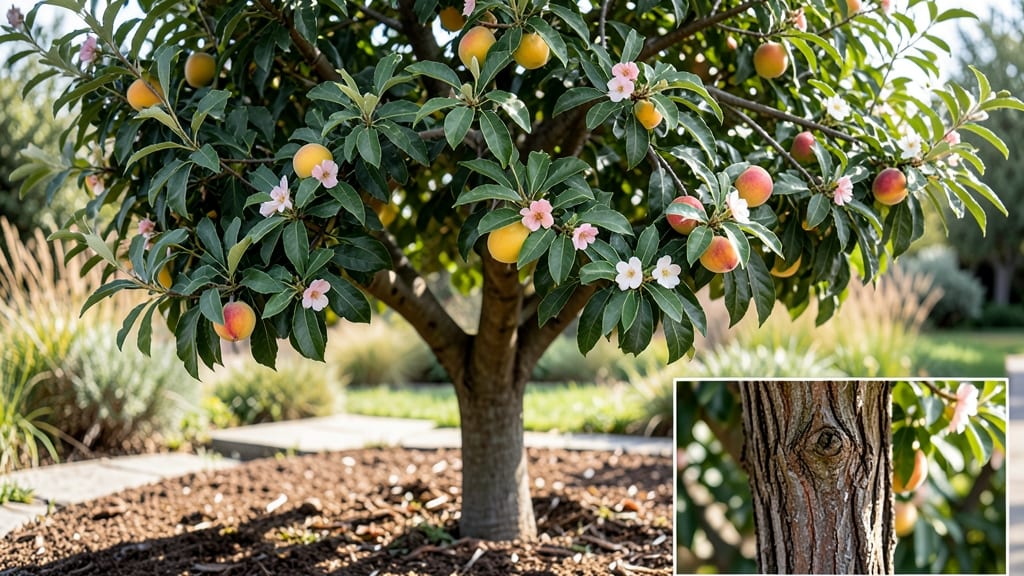
The Contender peach tree thrives in USDA hardiness zones 5 through 9, tolerating temperatures as low as -15°F (-26°C) when dormant. Young trees need winter protection, while established ones handle colder climates better with proper care.
The Contender peach tree's cold resilience comes from its ability to enter deep dormancy, where metabolic activity slows dramatically to protect against freezing. 🌱 This variety stands out because it can survive -15°F (-26°C) when fully dormant, though its buds are more sensitive—typically requiring 100-200 chill hours below 45°F (7°C) to trigger proper flowering.
Unlike many peach trees limited to zones 6-9, the Contender's adaptability makes it a top choice for gardeners in colder regions, though its fruit production may be lighter in zone 5 without extra winter care.
For gardeners pushing the limits in zone 5, proper winterization is key. Planting in well-drained soil with 3-4 inches of mulch around the base helps insulate roots, while wrapping the trunk with burlap or tree guards prevents sunscald damage.
Young trees benefit most from these precautions, as their smaller root systems are less established. 💫 The Contender's ability to rebound from cold snaps—even in marginal zones—makes it a rewarding choice for patient growers willing to invest in seasonal protection.
💡 In This Article
- Understanding Contender Peach Tree Cold Tolerance Mechanics
- Planting and Winterizing Contender Peaches in Cold Climates
Understanding Contender peach tree cold tolerance mechanics
The Contender peach tree's cold hardiness stems from its unique physiological adaptations during dormancy. When temperatures drop below 45°F (7°C), the tree enters a deep rest state where cellular activity slows to nearly 10% of normal levels.
This metabolic shutdown prevents ice crystal formation in cells, which would otherwise rupture delicate tissues. 🌱 The bark thickens and becomes more insulating, while root systems develop protective sugars that act as antifreeze agents, similar to how some cold-hardy fruits like apples survive winter.
What sets the Contender apart is its bud hardiness—while most peach varieties suffer damage at -10°F (-23°C), this tree can withstand -15°F (-26°C) when fully dormant. The key difference lies in its genetic makeup, which includes traits from cold-resistant rootstocks like 'Lovell' or 'Nemaguard'.
However, the buds themselves remain more vulnerable, typically requiring 100-200 chill hours below 45°F (7°C) to properly break dormancy in spring. Without sufficient chill hours, the tree may produce fewer flowers or miss the blooming window entirely.
Comparing the Contender to other peach varieties reveals its exceptional resilience. Standard freestone peaches like 'Elberta' or 'Redhaven' typically top out at zone 6, while nectarines often struggle below zone 7.
The Contender's zone 5 viability comes at a trade-off: its fruit production may be 20-30% lighter in colder regions compared to southern-grown varieties.
This is because cold stress can reduce flower viability and fruit set, though proper winter care can mitigate these effects. 💫 The tree's ability to recover from winter damage—even after exposure to -20°F (-29°C) for short periods—makes it a standout choice for northern gardeners.
The root system plays a critical role in cold survival. Contender roots develop a dense network of woody fibers that store starches and sugars during fall, which fuel regrowth in spring. These reserves act like a biological battery, providing energy when photosynthesis isn't possible.
In zone 5, where winter lasts 4-6 months, this root system becomes the tree's lifeline, supporting regrowth even after severe cold snaps. The deeper the roots penetrate (typically 3-5 feet in ideal soil), the better they insulate against ground freezing.
One fascinating mechanism is the tree's ability to "supercool" its sap. As temperatures approach freezing, the Contender's sap can remain liquid down to -10°F (-23°C) before crystallizing, thanks to natural antifreeze proteins. This gives the tree a 5°F buffer beyond what most peaches can handle.
However, prolonged exposure to -20°F (-29°C) or colder can still cause bark splitting or root damage, which is why winter protection remains essential in marginal zones. 🌟
For gardeners in transition zones (like northern zone 5 or southern zone 9), understanding these mechanisms helps explain why some Contender trees thrive while others struggle. Soil type plays a surprising role—sandy soils drain too quickly and don't insulate roots, while clay holds moisture but can become waterlogged.
The ideal is loamy soil with 25-30% organic matter, which retains moisture while allowing proper drainage. This balance supports both root insulation and nutrient availability during the growing season.
What most gardeners don't realize is that the Contender's cold tolerance isn't static—it improves with age. Young trees (3 years old) are most vulnerable, while established trees (5+ years) develop thicker bark and more extensive root systems.
This age-related resilience explains why many zone 5 growers report their Contender trees become more reliable producers after the first 3-5 winters with proper care. The trade-off? Patience—it takes time for the tree to build its cold-hardy infrastructure. ⚡