
Pruning
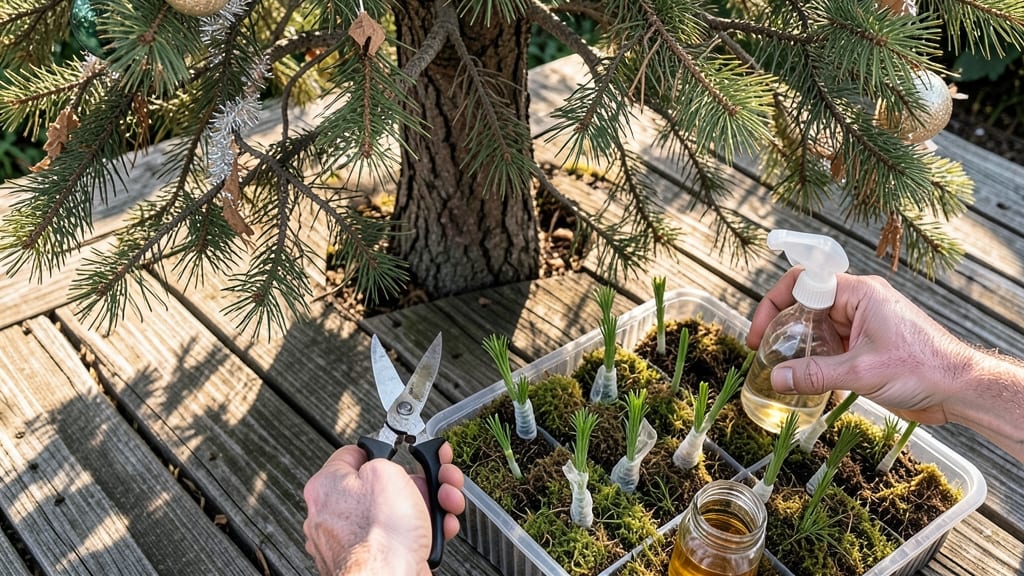
Your Christmas tree doesn’t have to become firewood after the holidays. With these year-round care secrets, you can extend its life for years, turning a seasonal centerpiece into a living heirloom that grows stronger each season.
Proper Holiday Tree Storage Techniques
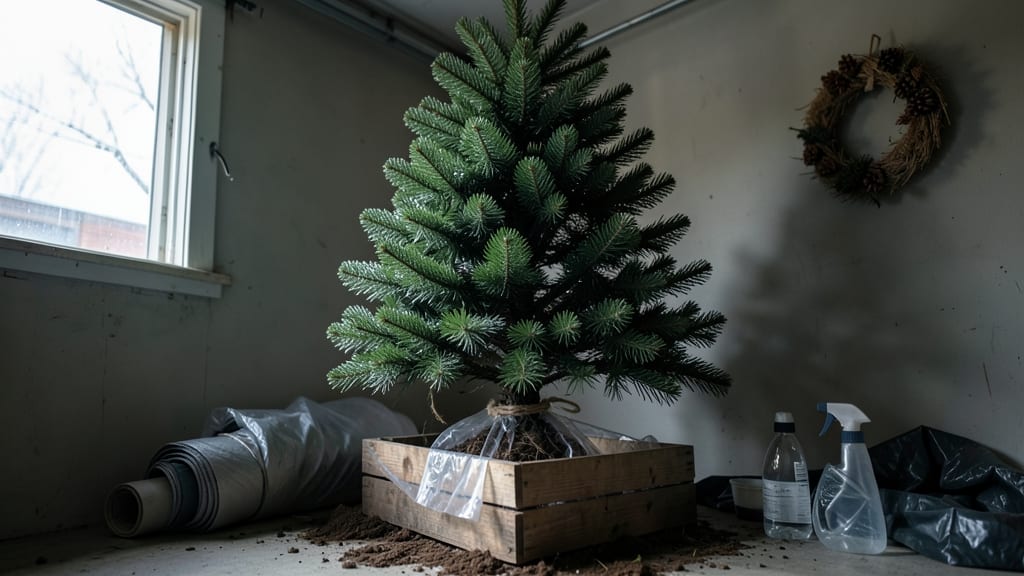
Don’t let your Christmas tree become firewood after the holidays—proper storage is the secret to keeping it alive for years. Even in small spaces, you can preserve its roots and needles with the right techniques, ensuring it thrives when you bring it back indoors next season.
Start by wrapping the tree’s roots in a damp burlap sack or plastic to retain moisture, then store it vertically in a cool, humid basement or garage. Mist the needles every 2-3 weeks to prevent drying, and avoid stacking trees to prevent needle loss. For limited space, store it in a large container with damp sand or peat moss around the roots—this mimics natural soil conditions.
This method is perfect for homeowners with small yards or apartments who still want to reuse their tree annually. With minimal effort, you’ll have a healthy, festive tree ready to celebrate for years to come. ✨
Indoor Potting and Light Requirements
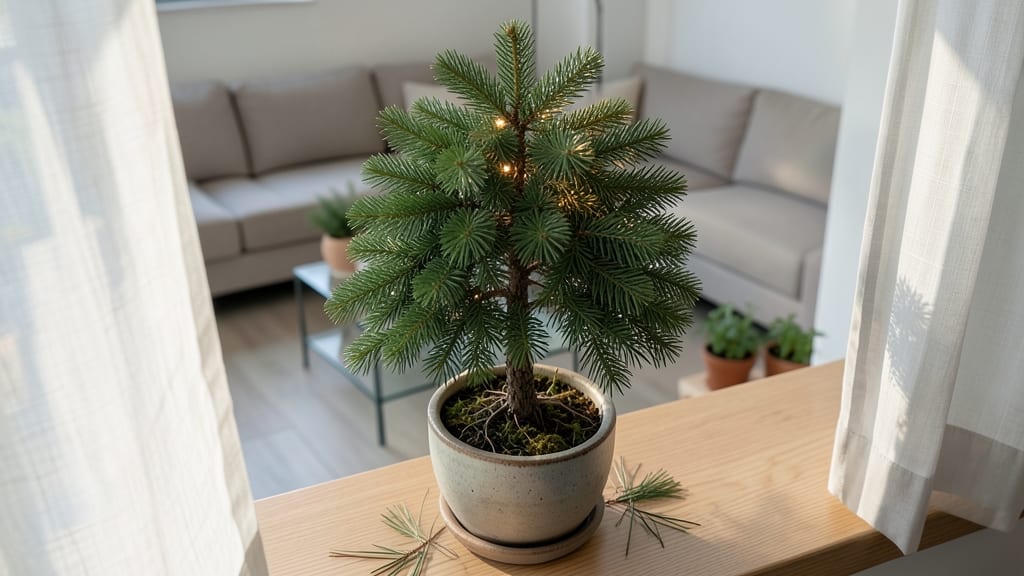
Turn your holiday tree into a year-round houseplant with the right indoor potting setup. Many Christmas trees—especially Norway spruce or Fraser fir—can thrive indoors if given the proper conditions, making them a unique conversation piece for urban apartments with limited outdoor space.
Use a well-draining potting mix (equal parts peat moss, perlite, and sand) to prevent root rot, and choose a container with drainage holes. Place your tree near a south- or west-facing window where it can receive at least 6 hours of sunlight daily. If natural light is scarce, supplement with a grow light for 12-14 hours per day to mimic seasonal growth cycles.
This approach is perfect for city dwellers who crave greenery but lack yard space. With consistent care, your tree could live for years indoors, becoming a living heirloom that outlasts the holiday season. 🌟
Outdoor Planting After the Holidays
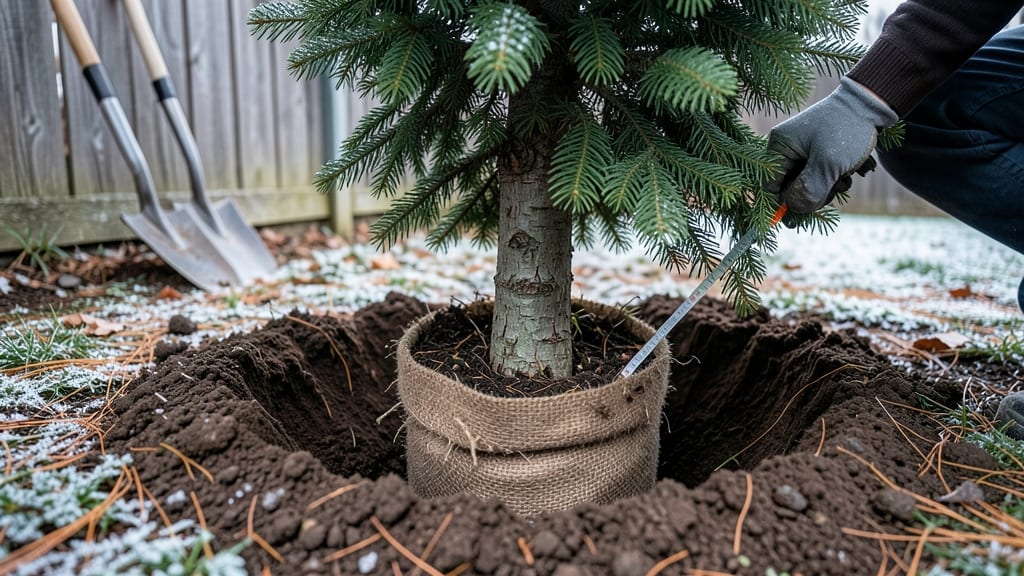
Turn your holiday Christmas tree into a permanent yard fixture with this simple transplanting guide. After the holidays, many trees can thrive outdoors with the right care—especially fraser firs and balsam firs, which adapt well to garden soil.
Start by digging a hole twice as wide as the tree’s root ball and just as deep. Gently remove the tree from its pot (if potted) and place it in the hole, ensuring the root flare sits above soil level. Backfill with native soil mixed with compost, then water deeply to eliminate air pockets. Mulch around the base to retain moisture and protect roots.
This method works best for gardeners in USDA Zones 3-7 who want a low-maintenance evergreen. With proper watering and sunlight, your tree could grow for decades—becoming a living holiday tradition. 🌟
Watering Schedule for Long-Term Health
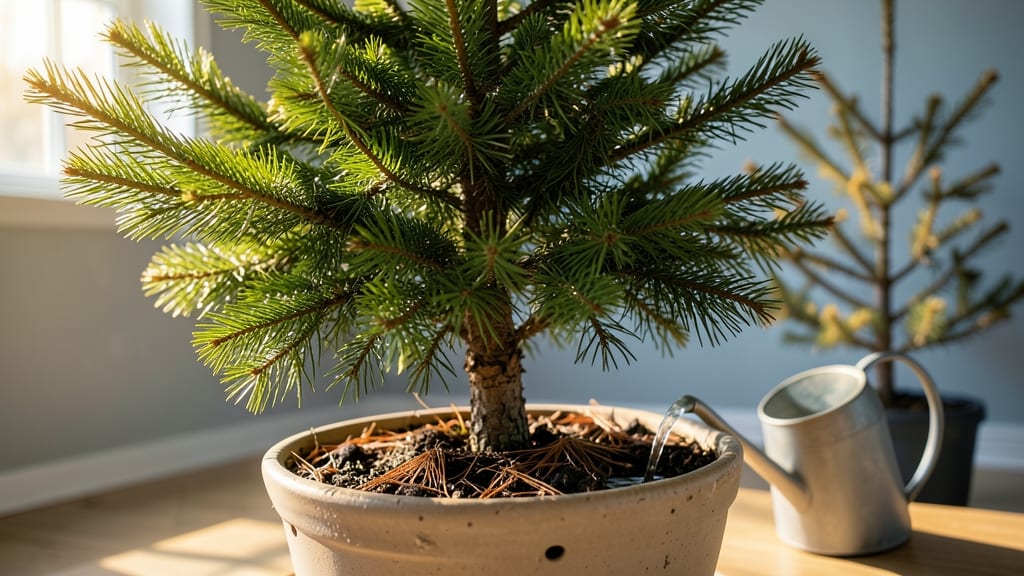
Watch your Christmas tree thrive for years—not just weeks—by mastering the science-backed watering schedule that prevents needle drop and root rot. Most first-time tree owners over- or under-water, both of which stress the tree and shorten its lifespan.
Water deeply once a week during the first year, ensuring the soil stays moist but not soggy. For potted trees, check moisture by sticking your finger 1-2 inches into the soil—if it’s dry, it’s time to water. In hotter months, increase to twice weekly, but always avoid letting water pool at the base. A slow-release watering system (like a drip irrigation line) can save you time and keep roots happy.
This schedule is especially critical for young trees still establishing roots. With consistent care, you’ll see fewer brown needles and stronger growth—turning your holiday tree into a year-round green investment. 💚
Fertilizing Christmas Trees for Growth
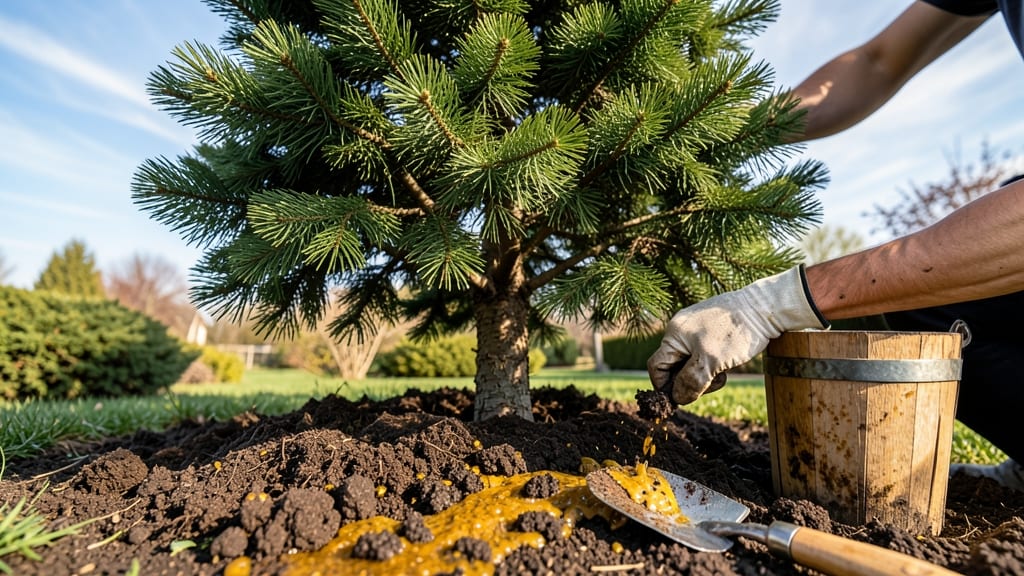
Want your Christmas tree to grow into a towering, healthy specimen instead of fading after the holidays? The right fertilizer is the secret weapon for rapid growth and long-term vitality.
For organic options, try fish emulsion or composted manure in early spring—they boost root development without harsh chemicals. If you prefer synthetic, a balanced 10-10-10 or 20-20-20 fertilizer applied in spring and summer fuels faster needle growth. Always water the soil deeply before and after applying fertilizer to prevent root burn.
This approach is perfect for gardeners who dream of a year-round centerpiece—whether you’re nurturing a potted tree indoors or planting one outdoors. With consistent feeding, your tree could thrive for decades! 🌟
Pruning for Shape and Health
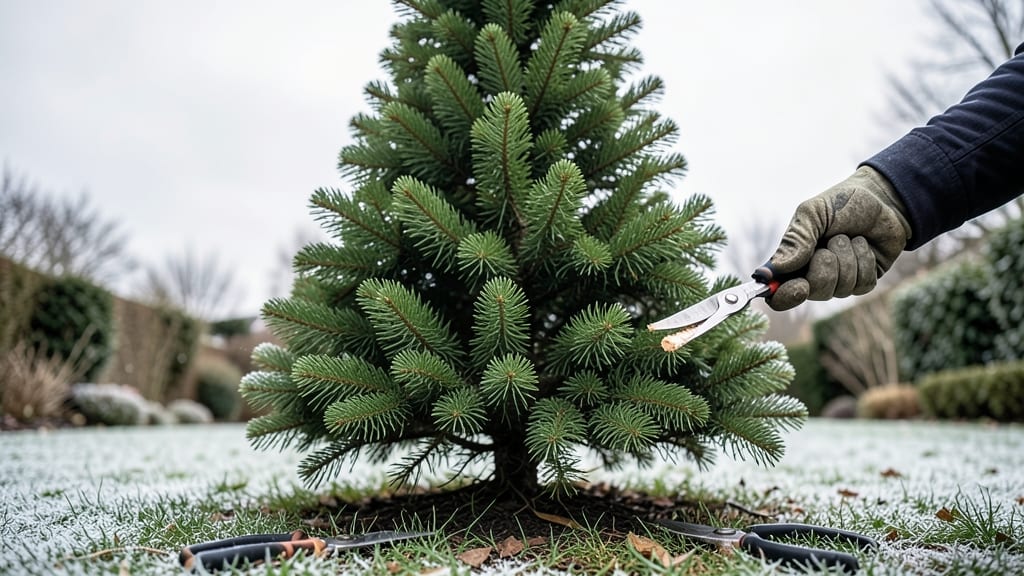
Want your Christmas tree to look like a perfectly shaped holiday masterpiece every year? Pruning isn’t just about aesthetics—it’s about promoting healthy growth and preventing overcrowded branches that can lead to pests or disease.
Start by trimming in late winter or early spring when the tree is dormant. Use sharp, clean pruning shears to make 45-degree cuts just above a bud or branch collar, never leaving stubs. Focus on removing dead, crossing, or inward-growing branches first, then thin out the canopy by cutting back no more than 25% of the foliage at a time. For a fuller look, trim the outer branches slightly longer than the inner ones.
This method works best for DIY gardeners who want to maintain their tree’s natural beauty without hiring a professional. With consistent pruning, your tree will develop a stronger structure and stay lush for years to come. ✨
Pest and Disease Prevention Tips
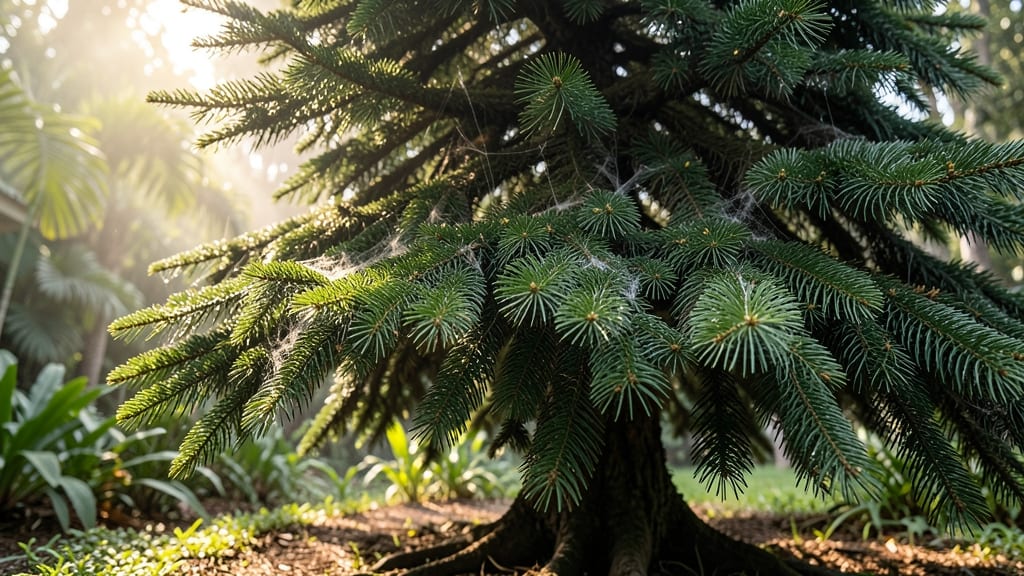
Humid climates and high pest activity can turn your Christmas tree into a battleground for spider mites and fungal infections—but early detection is your best defense. These tiny threats often hide on the undersides of needles, multiplying when conditions are damp and warm.
Start with weekly inspections using a hand lens to spot early signs like webbing (mite activity) or discolored patches (fungus). For prevention, apply a mix of neem oil and water (1 tsp per quart) every 4-6 weeks during growing seasons. Ensure proper airflow by avoiding dense mulch piles around the base, which reduces moisture buildup—critical in humid zones.
Gardeners in tropical or coastal areas will find these steps especially valuable, as they directly address the most common stressors for evergreen health. A little vigilance now can save your tree from irreversible damage later. 🌿
Winterizing Your Christmas Tree
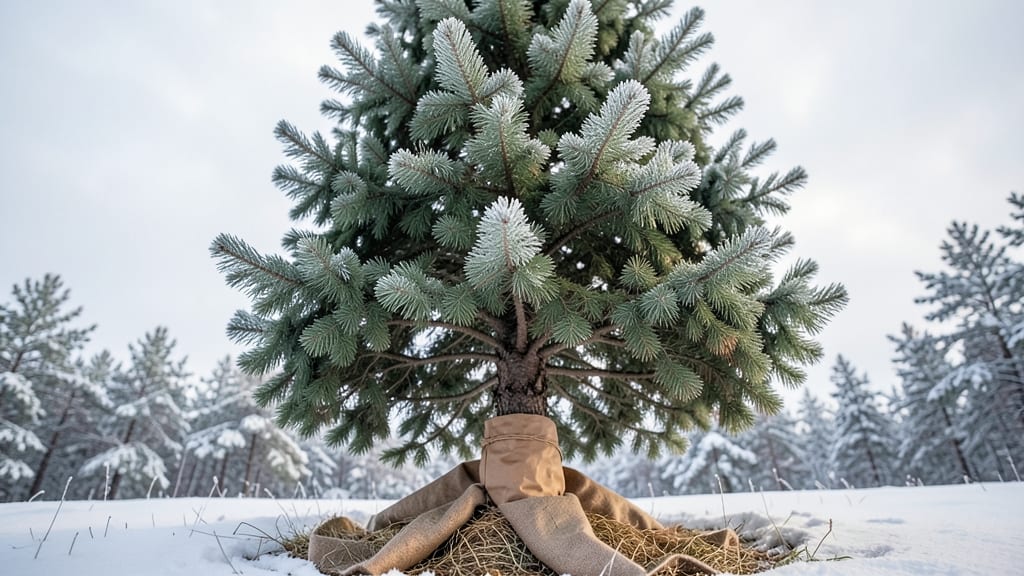
Cold snaps and howling winds don’t have to spell the end for your Christmas tree. In colder climates, winterizing your tree is the key to protecting its delicate needles and root system from freezing temperatures and windburn, ensuring it thrives for years to come.
Start by wrapping the tree’s trunk and lower branches in breathable burlap or frost cloth to shield tender areas from harsh winds. Secure it with twine, but leave room for airflow to prevent moisture buildup. For outdoor trees, apply a 3-inch layer of mulch around the base to insulate roots from frost. If your tree is in a pot, move it to a sheltered spot like a garage or porch, ensuring it’s protected from direct wind and snow accumulation.
This simple step is a game-changer for homeowners in Zone 4 and below, where winter damage can be severe. With proper winterizing, your tree will bounce back stronger in spring, ready to grow into a lush, long-lived evergreen. ✨
Creating a Christmas Tree Forest
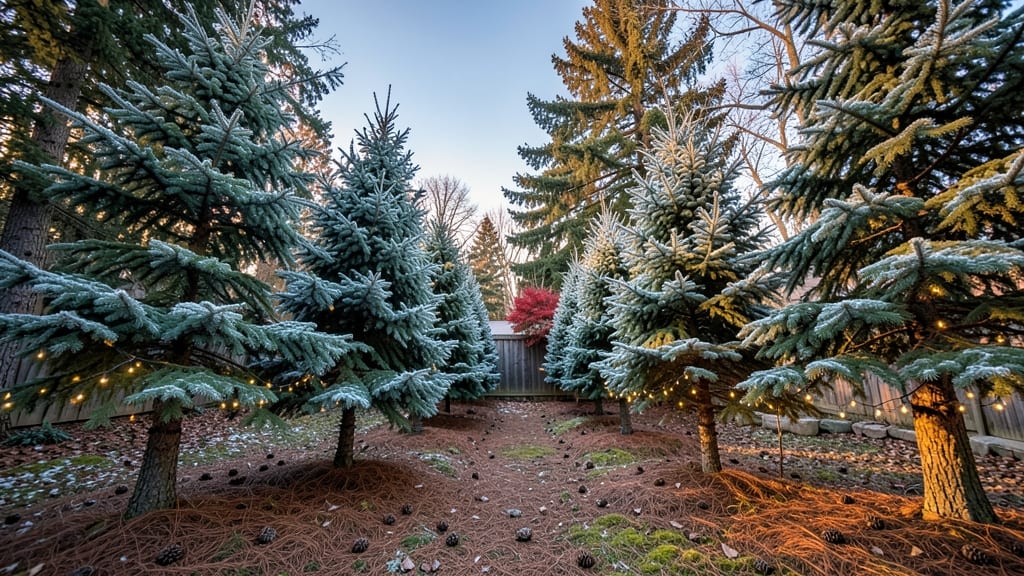
Turn your backyard into a magical holiday destination with a Christmas tree forest—a whimsical outdoor display that grows more enchanting each year. Whether you have a sprawling property or just a cozy corner, planting multiple trees creates a festive atmosphere that lasts far beyond December.
Start by selecting fast-growing evergreen varieties like Douglas fir or Noble fir, which thrive in full sun to partial shade. Space saplings 10-15 feet apart to allow for mature growth, and plant them in well-draining soil enriched with organic compost. For a symmetrical look, use a string line or garden stakes to guide your rows—perfect for creating a snow-covered woodland come winter.
This project is ideal for families who want to build a holiday tradition or homeowners looking to boost curb appeal year-round. With proper care, your forest will become a living heirloom that welcomes the season for decades. ✨
Repurposing Old Trees into New Plants

Instead of discarding your mature Christmas tree after the holidays, turn it into a new generation of trees through simple propagation techniques. This eco-friendly method lets you multiply your tree collection while reducing waste, making it ideal for gardeners who love sustainable practices.
For seed propagation, collect cones from your tree, dry them, and extract the seeds. Plant them in a moist, well-draining mix of peat and perlite, keeping them in a warm, sunny spot until germination (usually 4-6 weeks). Alternatively, take softwood cuttings in early summer, dip them in rooting hormone, and plant them in a humid propagation tray to encourage root growth within 8-12 weeks.
This approach is perfect for eco-conscious gardeners who want to grow heirloom trees or expand their evergreen collection without buying new plants. 🌱