
Pruning
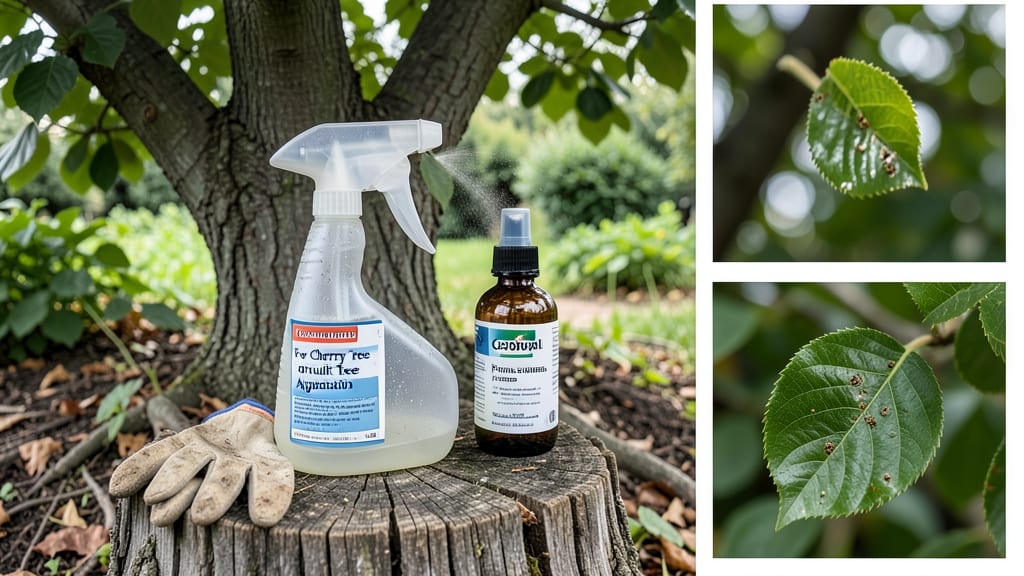
My cherry tree’s leaves were turning sticky last summer—turns out, aphids had moved in like uninvited houseguests. 🌿 The wrong spray would’ve wiped out the fruit, but I found an organic insecticide that worked without sacrificing harvests.
It’s not just about killing pests; it’s about protecting the tree and the cherries you’ll eat in a few months.
This spray uses neem oil and soapy water (yes, the kind in your kitchen) to smother soft-bodied insects like aphids, spider mites, and even young borers—no harsh chemicals needed. The key is timing: apply it early morning when bees are least active, and repeat every 7-10 days until pests vanish.
Most garden centers sell pre-mixed versions, but DIY is cheaper and just as effective.
By late summer, your tree will look vibrant and pest-free, with fruit that’s safe to pick straight off the branch. The spray breaks down quickly, so you won’t taste residue, and it even deters future infestations.
No more sticky leaves, no more wilted branches—just a healthy tree that keeps producing sweet cherries year after year.
Works for sweet, tart, and ornamental cherries alike, whether you’re dealing with a single infestation or just want to prevent pests before they start. Here’s how to do it right the first time—no guesswork, no wasted spray.
📚 In This Guide
- What you need
- Instructions
- Tips and common mistakes
- Wrapping up and next steps
What you need
- ● Organic insecticide spray: Choose a neem oil-based or pyrethrin-based spray (e.g., Safer® Brand Garden Spray or Bonide Captain Jack’s). Quantity: 1–2 gallons (enough to cover the tree thoroughly).
- ● Garden sprayer: A hose-end sprayer (for larger trees) or a handheld pump sprayer (for smaller trees). Capacity: 1–4 gallons.
- ● Protective gear: Nitrile gloves (to avoid skin irritation)
- ● Long-sleeved shirt and long pants
- ● Safety goggles (to shield eyes from spray)
- ● Face mask or respirator (if working with concentrated sprays)
- ● Ladder or step stool: For reaching higher branches. Height: Adjustable or tall enough to access the tree’s canopy.
- ○ Pruning shears (optional but helpful): To trim heavily infested branches before spraying.
- ● Water source: A hose or bucket for rinsing tools and diluting sprays if needed.
- ● Label or marker: To tag the tree and note the spray date (avoids accidental reapplication).
- ● Insect monitoring traps: Pheromone traps for early pest detection (e.g., cherry fruit fly traps).
- ● Dish soap or horticultural oil: Mix with water (1 tsp per gallon) for a DIY insecticidal soap boost.
- ● Row covers: Lightweight fabric to protect young trees from pests while they establish.
- ● Weather check app: To monitor for no rain for 24–48 hours after spraying (critical for effectiveness!).
How to make an effective organic cherry tree insecticide
Here's my go-to method for controlling pests naturally while keeping your fruit safe and delicious.
🌿 Step 1: Gather Your Organic Ingredients
You'll need 1 gallon of water, 2 tablespoons of neem oil, 1 tablespoon of insecticidal soap, and 1 teaspoon of food-grade diatomaceous earth. Neem oil disrupts insect life cycles, while insecticidal soap smothers soft-bodied pests like aphids and mites. Diatomaceous earth adds a physical barrier that dehydrates crawling insects.
Mix the diatomaceous earth first—sprinkle it directly into the water and stir vigorously for 30 seconds to prevent clumping. This ensures even distribution when you add the other ingredients. I like to use a small whisk or chopstick to break up any remaining lumps before adding the oil and soap.
💧 Step 2: Combine Ingredients Thoroughly
Add the neem oil and insecticidal soap to the water, one at a time. Stir well after each addition, using a wooden spoon or clean spoon to scrape the sides of the container. This prevents separation later. You'll notice the mixture turning slightly cloudy—this is normal and indicates proper emulsification.
Let the solution sit for 10-15 minutes before use. This resting period allows the ingredients to fully integrate. If you see any oil floating on top, stir again gently. The final mixture should have a light, creamy consistency—neither too thick nor watery. This texture ensures even coverage when sprayed.
✂️ Step 3: Apply to the Tree at the Right Time
Spray the mixture early in the morning or late afternoon when temperatures are below 85°F. Direct sunlight can cause the neem oil to break down faster, reducing its effectiveness. Focus on the undersides of leaves, new growth, and fruit clusters—these are prime hiding spots for pests like aphids, scale, and spider mites.
Apply until the leaves are glistening but not dripping. Avoid spraying when fruit is ripe or when bees are active, as neem oil can be harmful to pollinators. Reapply every 7-10 days or after rain, as the solution washes off over time. You'll know it's working when you see fewer pests and less webbing or sticky residue on leaves.
🌱 Step 4: Monitor and Reapply as Needed
Check your tree 3-5 days after application for signs of pest reduction. Look for fewer aphids, less sawfly damage, and healthier new growth. If pests persist, repeat the spray—sometimes a second application is needed to fully break their life cycle.
For severe infestations, consider adding 1 tablespoon of garlic oil to the mix. Garlic oil acts as a natural repellent and enhances the overall effectiveness of the spray. Always rotate organic treatments to prevent pests from building resistance. Store any leftover mixture in a glass spray bottle in a cool, dark place for up to 2 weeks.
Tips & tricks for perfect organic cherry tree spray
Real talk: This spray works best when you nail the details—especially how you mix and apply it. Here's what I've learned after testing it on my own orchard.
Mixing Precision: When stirring the diatomaceous earth for those 30 seconds, use a whisk or chopstick to break up every single clump. I've seen people skip this and end up with clumpy residue that clogs sprayers. For even better results, strain the mixture through a fine mesh sieve before transferring to your spray bottle—this ensures a smooth, even application that covers every leaf surface.
Temperature Matters: The 85°F temperature limit isn't arbitrary—neem oil degrades faster in direct sunlight when temps climb above this. If you're working in hotter conditions, apply during the coolest part of the day (early morning or late evening) and cover the spray bottle with a damp towel to keep it cool while working. Pro tip: Test a small leaf area first to check for any adverse reactions.
Application Technique: Focus on undersides of leaves and new growth—this is where most pests hide. Use a gentle, sweeping motion with your sprayer to avoid damaging tender cherry tree foliage. For stubborn infestations, add a second light application 24 hours after the first. The key is thorough but gentle coverage that doesn't overwhelm the plant's natural defenses.
Storage Wisdom: That 2-week shelf life assumes proper storage in a cool, dark glass bottle. If you notice any separation after mixing, give it a good shake before each use. For long-term storage, freeze any unused portions in ice cube trays—thaw and shake before use. Remember, the effectiveness drops significantly after those 2 weeks, so use it up or make fresh batches.
Pro Tips for Cherry Tree Insecticide
- Real talk: This spray works best when you nail the details—especially how you mix and apply it.
- Mixing Precision: When stirring the diatomaceous earth for those 30 seconds, use a whisk or chopstick to break up every single clump.
- Temperature Matters: The 85°F temperature limit isn't arbitrary—neem oil degrades faster in direct sunlight when temps climb above this.
Frequently asked questions
Got questions about using insecticides on your cherry trees? You're not alone!
Here are some of the most common concerns—and straightforward answers—to help you protect your trees while keeping your fruit safe and delicious.
What’s the best time of year to spray insecticide on cherry trees?
Timing is everything! Apply insecticide early spring (before buds swell) or late fall (after leaves drop) to target overwintering pests. For active infestations (like aphids or borers), spray at dusk to protect beneficial insects and avoid direct sunlight, which can degrade some organic sprays. Always follow label instructions for your specific product.
Are organic insecticides safe for cherry fruit?
Yes, but choose carefully! Look for OMRI-listed sprays like neem oil, horticultural oil, or insecticidal soaps labeled for edible crops. Avoid copper-based sprays within 2 weeks of harvest—they can leave a metallic taste. Always rinse fruit thoroughly before eating if sprayed late in the season.
How do I know if my cherry tree needs insecticide?
Watch for these red flags: Holes in leaves, sticky residue (aphid honeydew), sawdust-like frass (borer tunnels), or wilting branches. Scout your tree weekly during peak pest seasons (spring/early summer). A magnifying glass helps spot tiny eggs or larvae early—preventing full-blown infestations.
Can I mix homemade remedies with store-bought insecticides?
Generally, no—mixing can reduce effectiveness or cause harm. For example, combining neem oil with sulfur-based sprays creates toxic fumes. If using homemade sprays (like garlic/pepper spray), test a small branch first and apply separately from commercial products. When in doubt, stick to one approved treatment at a time.
Why did my insecticide stop working after a few sprays?
Pests can develop resistance, or you might be missing key life stages. Rotate sprays (e.g., neem oil one week, insecticidal soap the next) and reapply every 7–14 days during outbreaks. Also, check for poor coverage—use a hose-end sprayer for thorough application, especially under leaves where pests hide.
Pro tip: Keep a pest journal! Note when you spray, what you use, and any changes in pest activity. This helps you refine your approach year after year.
Wrapping up and next steps
Protecting your cherry tree from pests doesn’t have to mean sacrificing its fruit—or the planet! 🌱 With the right organic insecticide spray, you can keep harmful bugs at bay while ensuring your cherries stay safe, sweet, and pesticide-free.
Whether you’re a seasoned gardener or just starting out, taking action now will help your tree thrive for years to come.
Ready to give your cherry tree the care it deserves? Gather your supplies, follow the steps, and spray with confidence! Your future harvests will thank you.