
Pruning
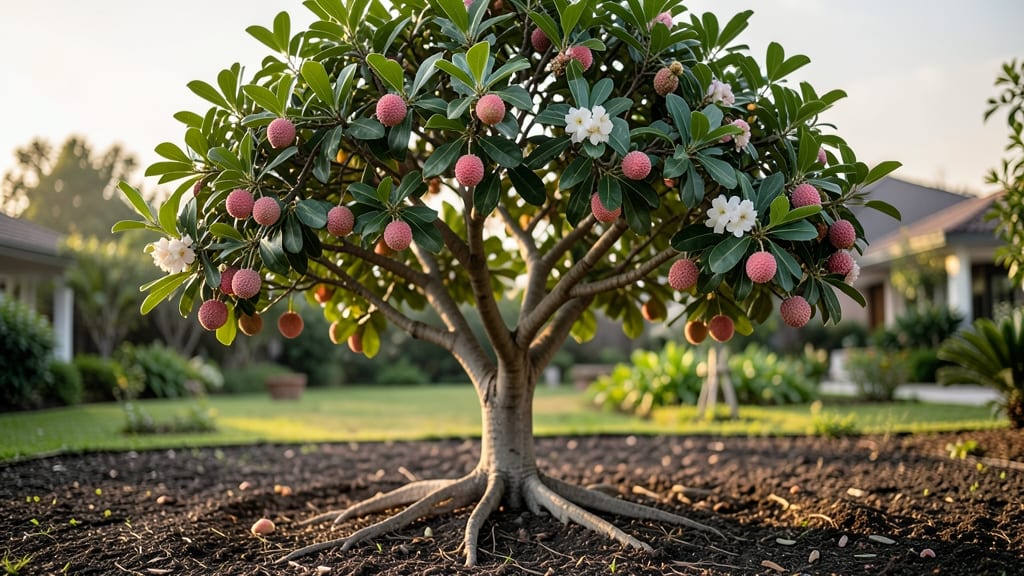
Growing lychee trees in California isn’t just possible—it’s thriving in coastal spots like San Diego and Santa Barbara. 🌿 I’ve watched mine go from a curious sapling to a fruit-bearing beauty, and the secret isn’t just the soil or water—it’s knowing when to prune year-round for that sweet, juicy payoff.
The Mediterranean climate here is perfect: warm days, cool nights, and minimal frost. But lychees need well-draining soil and regular watering—think of it like giving them a tropical vacation without the humidity.
My tree now produces hundreds of fruits each season, and the key is pruning at the right times to keep it healthy and productive. You’ll start seeing new growth within weeks of proper pruning, and by late summer, those signature pink blossoms will fill the air.
The fruit? Worth every effort. Sweet, aromatic, and impossible to resist once you taste it fresh from the tree. Here’s the thing—California’s microclimates mean your approach might vary slightly from mine. Coastal areas stay milder, while inland spots need extra frost protection. Let’s get your tree set up for success!
📚 In This Guide
- What you need
- Instructions
- Tips and common mistakes
- Wrapping up and next steps
What you need
- ● Pruning shears: Bypass pruners (sharp, clean, and sterilized with rubbing alcohol to prevent disease). Choose a pair with a 6-8 inch blade for precision.
- ● Loppers: For thicker branches (1-2 inch diameter). Opt for bypass loppers with a 16-20 inch handle for leverage.
- ● Pruning saw: A curved-tooth handsaw or folding pruning saw for branches over 2 inches thick.
- ● Gloves: Heavy-duty gardening gloves (nitrile-coated for grip and protection) to shield hands from thorns and sap.
- ● Disinfectant: 70% isopropyl alcohol or a 10% bleach solution to sterilize tools between cuts.
- ○ Sealing wax or pruning paste: Optional but recommended for large cuts (over ½ inch) to prevent disease entry.
- ● Trash bags or bucket: For collecting pruned branches and debris.
- ● Water and spray bottle: To clean tools and rinse sap off hands.
- ● Extension pole: For hard-to-reach branches (look for a telescoping pole with a hook or pruner attachment).
- ● Ladder: A stable, 6-8 foot ladder if your tree is tall (prioritize safety with non-slip feet!).
- ● Notebook and pen: To jot down notes on cuts, growth patterns, or seasonal pruning schedules.
- ● Compost bin: For repurposing small pruned branches as mulch or compost.
- ● Sunscreen and hat: California sun is no joke—SPF 30+ and a wide-brim hat are your friends!
- ● Know your tree’s age: Young lychee trees (under 3 years old) need minimal pruning—focus on shaping and air circulation.
- ● Check the season: Prune in late winter or early spring (February-March) for best results in California’s mild climate.
- ● Weather watch: Avoid pruning during rain or high humidity to prevent fungal infections.
- ● Safety first: Ensure the area around your tree is clear of pets, kids, and tripping hazards.
Step-by-Step instructions for pruning a lychee tree in California
California’s mild winters and warm summers make it perfect for lychee trees—but only if you prune strategically year-round.
✂️ Step 1: Light Winter Pruning (Late January–February)
Start by removing dead, diseased, or crossing branches first—these compete with healthy growth and invite pests. Use clean, sharp pruning shears to make cuts just outside the branch collar (the swollen area where the branch meets the trunk). This prevents unsightly stubs and promotes faster healing.
Next, thin out overcrowded branches to improve airflow and sunlight penetration. Aim for a well-spaced canopy—lychee trees need light to reach the inner branches where fruit develops. I like to step back and visualize the tree as an open vase shape, with branches spreading outward rather than clustering tightly.
☀️ Step 2: Post-Bloom Summer Pruning (June–July)
After the tree finishes flowering (usually in late spring), prune to shape the canopy and encourage next year’s fruit production. Remove any suckers—those vigorous shoots sprouting from the base or trunk—since they drain energy from fruit-bearing branches. Cut them off at the base with a clean slice.
Now’s also the time to shorten overly long branches that grew during spring’s growth surge. Trim back no more than 25% of the branch length—this prevents shock and maintains the tree’s ability to photosynthesize. Watch for new growth buds forming at the cut site; these will develop into stronger branches for next season’s harvest.
🌿 Step 3: Light Pruning After Harvest (September–October)
Once you’ve picked the last lychees, give the tree a gentle cleanup. Remove any fruit-bearing branches that look exhausted—they’ll have fewer buds next year. Look for branches with no fruit and thin them out to redirect energy to productive limbs. Lychee trees reward precision: every cut should serve a purpose, whether it’s improving shape or boosting future yields.
This is also when I sterilize my tools with rubbing alcohol—California’s dry summers mean fungal spores spread fast. A quick wipe-down between cuts keeps your tree healthy. Avoid heavy pruning now; the tree needs to recover before winter dormancy.
⏰ Step 4: Minimal Dormant Pruning (December–Early January)
California’s mild winters mean lychee trees rarely need heavy dormant pruning, but a light check ensures no damage went unnoticed. Scan for winter dieback (brown, brittle branches) and prune those back to live wood. If your tree is young (<5 years old), you can lightly shape it to encourage a strong central leader—just avoid aggressive cuts that stress the tree.
Here’s the thing—lychee trees hate being pruned too much. Over-pruning delays fruiting and weakens the tree. If you’re unsure, err on the side of caution: a few strategic cuts now will pay off in bigger, sweeter fruit next season**. Keep your pruners handy, but remember: less is often more with these tropical beauties.
Tips & tricks for pruning lychee trees in California
Mastering the art of pruning lychee trees in California’s unique climate can make all the difference between a modest harvest and a bountiful one. Here’s what I’ve learned from years of working with these delicate trees.
Tool Prep is Non-Negotiable: Before you even touch a branch, sterilize your pruning shears with rubbing alcohol—especially during California’s dry summers when fungal spores spread like wildfire. I keep a small bottle of 70% isopropyl alcohol in my toolbox and wipe down blades between every cut. This simple step prevents infections that can weaken your tree’s ability to fruit. In Step 1 and Step 3, when you’re removing dead branches or doing post-harvest cleanup, this extra precaution becomes even more critical.
Visualize the Vase Shape: Lychee trees thrive when they resemble an open vase, with branches spreading outward rather than clustering tightly. In Step 1, when you’re thinning out overcrowded branches, step back every few cuts to check your progress. I find it helpful to imagine the tree’s silhouette against the sky—you want to see light filtering through the center. This open structure ensures sunlight reaches all fruit-bearing branches, which is especially important in California’s intense summer sun.
The 25% Rule for Summer Pruning: During the post-bloom summer pruning in Step 2, never trim back more than 25% of any branch’s length. This rule prevents shock and maintains the tree’s ability to photosynthesize efficiently. I learned this the hard way after accidentally pruning too aggressively one summer—my tree took two years to recover its fruit production. Look for new growth buds forming at the cut site; these will develop into stronger branches for next season’s harvest.
Mark Your Calendar for California’s Micro-Seasons: California’s mild winters and warm summers create micro-seasons that affect pruning timing. In Step 4, when doing minimal dormant pruning, remember that our December–early January period is actually the tree’s light dormancy phase. Unlike northern climates, lychee trees in California don’t experience true winter dormancy, so keep your cuts light—just enough to remove any winter dieback while preserving next year’s fruit buds.
Pro Tips for Lychee Tree California
- Mastering the art of pruning lychee trees in California’s unique climate can make all the difference between a modest...
- Tool Prep is Non-Negotiable: Before you even touch a branch, sterilize your pruning shears with rubbing alcohol—espec...
- Visualize the Vase Shape: Lychee trees thrive when they resemble an open vase, with branches spreading outward rather...
Frequently asked questions
Got questions about growing lychee trees in California? You’re not alone! Here are some of the most common queries—plus straightforward answers to help you cultivate a thriving tree.
Can lychee trees survive California’s winters?
Lychees (Litchi chinensis) are tropical trees, so they struggle in California’s cold snaps. While mature trees in USDA Zones 10-11 (like coastal Southern California) can tolerate brief dips to 28°F (-2°C), younger trees or inland areas need winter protection. Use frost cloth, mulch heavily, or grow them in containers for flexibility. Pro tip: Plant near a heat-retaining wall or in a microclimate with reflected sunlight.
How long does it take for a lychee tree to bear fruit?
Patience is key! Lychee trees typically take 5–7 years to produce fruit from seed, but grafted trees (common in nurseries) may fruit in 3–5 years under ideal conditions. In California, consistent warmth, humidity, and proper pruning can speed up fruiting. Watch for: Pink flower buds in spring—they’re your first sign of progress!
When’s the best time to prune a lychee tree in California?
Prune late winter to early spring (February–March) before new growth starts. This removes dead wood, shapes the tree, and encourages airflow. Avoid pruning during flowering (spring) or heavy fruiting (summer) to protect energy reserves. For California’s mild winters, a light pruning in fall (after harvest) can also help manage size. Bonus: Sterilize tools with rubbing alcohol to prevent disease!
What’s the easiest alternative fruit tree for California growers?
If lychees seem too finicky, consider these low-maintenance, cold-hardy alternatives:
- Loquat (Eriobotrya japonica): Thrives in Zones 8–10, bears fruit in 3–4 years, and handles light frost.
- Pomegranate: Drought-tolerant, Zone 7–11, and produces striking fruit with minimal pruning.
- Fig: Fast-growing, Zone 7–11, and produces year-round in warm microclimates.
Why aren’t my lychee tree’s leaves turning green?
Yellow or pale leaves often signal nutrient deficiencies, pests, or overwatering. Check for:
- Nitrogen deficiency: Use a balanced fertilizer (e.g., 6-6-6) in early spring.
- Spider mites/scale insects: Spray with neem oil or insecticidal soap.
- Overwatering: Lychees hate soggy roots—ensure well-draining soil and water deeply but infrequently.
Wrapping up and next steps
Growing a lychee tree in California is a rewarding journey that combines patience with the joy of harvesting exotic, sweet fruit. With the right pruning techniques—especially in year-round maintenance—you’ll nurture a thriving tree that produces bountiful harvests.
Remember, consistency is key: light trimming after each flush, winter shaping, and disease prevention will keep your lychee tree healthy and productive.
Ready to take the next step? Start small—plant your sapling today and observe its growth closely. Before you know it, you’ll be savoring homegrown lychees straight from your California backyard! 🌱✨