
Trees
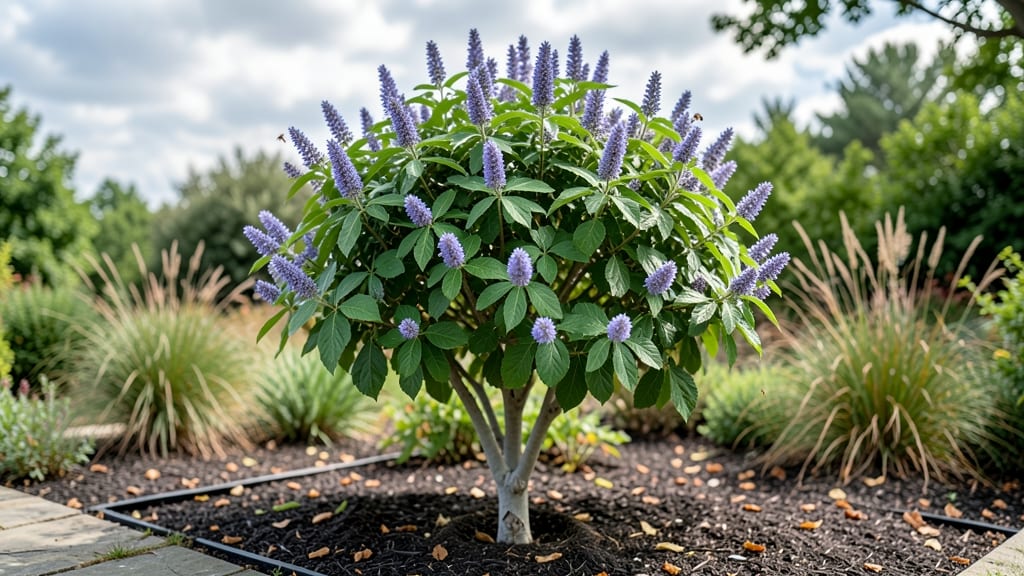
The chaste tree in Spanish is called árbol de la castidad (Vitex agnus-castus), with regional variations like hiedra agnus-castus or monk’s pepper. Pronunciation follows ár-bol deh lah kas-ti-dad, emphasizing the stress on 'de la' and 'castidad'.
The name árbol de la castidad directly translates to "tree of chastity," reflecting its historical use in herbal medicine for balancing hormonal health. 🌿 In Latin American regions, you'll often hear hiedra agnus-castus (ivy of chastity), which highlights its climbing growth habit.
This plant's botanical name, Vitex agnus-castus, comes from its Latin roots—vitex meaning "flexible" and agnus-castus meaning "chaste lamb," referencing its traditional medicinal properties. The regional variations stem from both botanical descriptions and cultural interpretations of its benefits.
Spanish speakers in different countries also adapt the pronunciation based on local dialects. For example, in Spain, the stress on castidad might sound slightly different than in Mexico, where the s is often pronounced more softly.
This linguistic diversity makes the chaste tree a fascinating study in how plants bridge both botanical science and cultural heritage.
💡 In This Article
- Spanish Names for Chaste Tree: Regional Variations & Botanical Terms
- Pronunciation Guide: Mastering Árbol de la Castidad in Spanish
Spanish names for chaste tree: regional variations & botanical terms
The chaste tree's Spanish names reveal a fascinating blend of botanical precision and cultural symbolism.
The term árbol de la castidad ("tree of chastity") reflects its historical medicinal reputation for hormonal balance, while hiedra agnus-castus ("ivy of chastity") describes its vine-like growth habit. 🌿 This dual naming pattern mirrors how Spanish-speaking regions adapt terminology based on either the plant's physical characteristics or its perceived benefits.
Botanically, Vitex agnus-castus breaks down into Latin roots: vitex (flexible) and agnus-castus (chaste lamb), referencing both its resilient branches and traditional uses.
In Spain, you'll often hear hinojo silvestre (wild fennel) due to its similar foliage, while Mexican herbalists may call it monk's pepper (pimienta de monje), highlighting its pepper-like seeds used in folk remedies. These variations show how climate and cultural traditions shape plant nomenclature.
The name hiedra (ivy) appears frequently in South America because the chaste tree's climbing vines resemble ivy species native to those regions. This botanical mimicry isn't just linguistic—it reflects how plants adapt to local ecosystems.
For example, in Colombia, gardeners might use hiedra de castidad while in Argentina, árbol de la pureza (tree of purity) emphasizes its medicinal virtues rather than growth form.
What's particularly interesting is how these names interact with modern science. While árbol de la castidad dominates herbalist circles, botanists universally recognize Vitex agnus-castus in scientific literature. This creates a linguistic bridge between traditional knowledge and contemporary research, where the plant's common names help identify its medicinal properties across cultures.
Consider these regional naming patterns:
- Spain: Árbol de la castidad (chastity tree) or hinojo silvestre (wild fennel)
- Mexico/Central America: Pimienta de monje (monk's pepper) or hiedra agnus-castus (ivy of chastity)
- South America: Hiedra de castidad (chastity ivy) or árbol de la pureza (tree of purity)
The diversity in names isn't random—it reflects how each region's climate and cultural priorities shape their relationship with this versatile plant. Whether called by its botanical name or local dialect, the chaste tree remains a testament to nature's adaptability and humanity's creative naming traditions. 💫