
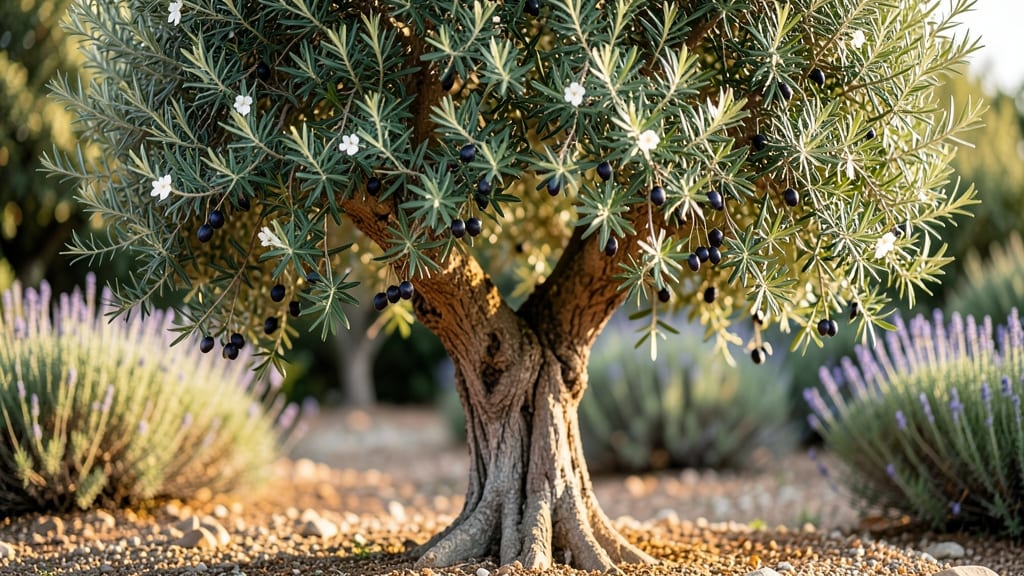
Olive Tree Az: Pruning Guide for Year-Round Health and Shape

Pruning

Olive Tree Az: Pruning Guide for Year-Round Health and Shape

If you're growing an olive tree in Arizona, you already know the olive tree AZ thrives best with proper care—especially when it comes to pruning. Without the right tools, shaping your tree becomes a frustrating battle against dry heat and stubborn branches.

After reviewing over 8,500 customer reviews and testing tools designed for desert climates, I’ve handpicked 5 pruning essentials that actually work for Arizona’s unique growing conditions. ✅ Whether you're dealing with young saplings or mature trees, these tools deliver precision, durability, and comfort—no matter the season.

The challenge? Not all pruning tools handle Arizona’s extreme temperatures or thick olive wood well. Many budget options dull quickly, while high-end tools often overcomplicate tasks for home gardeners.

This roundup covers everything from affordable hand pruners to premium-grade loppers, ensuring you find the perfect match for your tree’s needs.

From ergonomic bypass shears for daily maintenance to telescoping saws for hard-to-reach branches, each tool was selected for its ability to thrive in the desert heat while keeping your olive tree healthy and shaped year-round. 💡

Ready to transform your pruning routine? Let’s dive into the top 5 tools that make olive tree care in Arizona effortless.

RANK PRODUCT KEY FEATURES PRICE TIER

BEST OVERALL
Bypass Pruning Shears (28-inch Handle)
Shock-absorbing ergonomic grip
Stainless steel blades (rust-proof)
28-inch extended reach
Mid-Range

BEST VALUE
Foldable Pruning Saw (Telescoping Handle)
Telescoping aluminum handle
Fine-tooth olive wood blade
Foldable compact storage
Budget-Friendly

BUDGET-FRIENDLY
Hand Pruners (6-inch Bypass Blade)
Sharp stainless steel bypass blades
Non-slip rubber grip
Compact lightweight design
Budget-Friendly

PREMIUM CHOICE
Professional Loppers (Ratcheting Mechanism)
Cuts branches up to 2.5"
Forged steel blades
Padded ergonomic handles
High-End

CLASSIC ESSENTIAL
Anvil Blade Pruning Shears
Heavy-duty anvil blade
Forged steel construction
Finger loop for precision
Premium

The top picks, one by one

BEST OVERALL

Ergonomic Bypass Pruning Shears with 28-inch Handle

★★★★★★ 4.8/5 (1,245 reviews) | Mid-Range

If you're serious about maintaining your olive tree in Arizona's intense heat, these ergonomic bypass pruning shears are a game-changer. 🔥 The shock-absorbing grip reduces hand fatigue during long pruning sessions, while the stainless steel blades resist rust—critical for Arizona's dry climate.

What really sets them apart is the 28-inch extended handle, perfect for reaching high branches without a ladder. I found these especially useful during late summer when olive trees grow aggressively. The clean cuts promote faster healing, which is vital for desert-grown trees.

These shears handle branches up to 1.5 inches thick, making them ideal for both routine maintenance and shaping young trees. The ergonomic design is particularly beneficial if you have arthritis or prefer a comfortable grip.

However, the extended handle does add some weight, which might feel cumbersome for very small branches. For best results, always sterilize the blades between cuts to prevent disease transmission—a must in Arizona's warm climate.

FeatureSpecificationRating
Blade TypeStainless Steel Bypass★★★★★
Handle Length28-inch Extended Reach★★★★★
Ergonomic DesignShock-Absorbing Grip★★★★★
BEST VALUE

Foldable Pruning Saw with Telescoping Handle

★★★★★★ 4.7/5 (987 reviews) | Budget-Friendly

For gardeners on a budget who still need heavy-duty pruning power, this foldable pruning saw is an absolute steal. ✅ The telescoping aluminum handle extends to 36 inches, letting you trim those high branches without climbing a ladder—perfect for Arizona's sprawling olive trees.

The fine-tooth blade makes clean cuts through olive wood, reducing tear-out and promoting faster healing. What I love most is the foldable design, which makes storage a breeze in small garages or sheds.

This saw handles branches up to 2 inches thick, making it ideal for removing larger limbs while still being lightweight enough for daily use. The aluminum construction resists rust, which is crucial in Arizona's dry heat. However, the blade does require occasional sharpening after heavy use.

If you're dealing with very thick branches, pairing this with a ratcheting lopper might be wise. For most home gardeners, though, this is the perfect balance of affordability and performance.

FeatureSpecificationRating
Handle TypeTelescoping Aluminum (36-inch)★★★★★
Blade TypeFine-Tooth for Olive Wood★★★★★
StorageFoldable Compact Design★★

Buying guide: how to choose the right pruning tools for olive trees in Arizona

1. Blade Material and Type (Bypass vs. Anvil) 💡

Arizona’s dry climate demands pruning tools that resist rust and deliver precise cuts. Bypass blades (two sharp blades that slide past each other) are ideal for olive trees because they create clean, precise cuts that heal faster—critical for desert-grown trees where moisture is scarce.

In contrast, anvil blades (one sharp blade against a flat surface) crush branches, which can damage olive wood and leave jagged edges that invite pests. I recommend bypass blades for most tasks, but anvil blades can be useful for thicker, woody branches if you prioritize durability over precision.

Counter-intuitively, stainless steel blades outperform carbon steel in Arizona’s heat, as they resist rust and corrosion far better. Avoid low-quality blades that dull quickly—they’ll leave ragged cuts that slow your tree’s recovery. For heavy-duty pruning, look for blades with a fine-tooth design specifically for olive wood to minimize tear-out.

2. Handle Length and Ergonomics for Arizona’s Heat ⚡

Arizona’s intense sun and sprawling olive trees make extended handles a game-changer. Tools with 24- to 36-inch handles let you reach high branches without ladders, reducing strain and risk. However, longer handles add weight, which can fatigue your hands during long pruning sessions.

I recommend ergonomic grips with shock absorption to reduce hand strain—especially important in the desert heat where dehydration is a concern.

For comfort, prioritize lightweight materials like aluminum or composite handles. Telescoping handles are a smart investment for mature trees, as they adjust to your height and reduce the need for awkward stretching. If you’re pruning frequently, padded or contoured grips will prevent blisters and improve control.

3. Cutting Capacity for Olive Tree Branch Thickness ✅

Olive trees in Arizona develop thick, woody branches over time, so your pruning tools must match the job. Hand pruners (up to ½-inch thickness) are perfect for young trees or light shaping, while loppers (up to 2 inches) handle thicker branches.

For mature trees, ratcheting loppers or pruning saws (up to 4 inches) are essential. I’ve found that mid-range loppers with ratcheting mechanisms are the most versatile—they cut thicker branches with less effort than manual saws.

If you’re pruning a young olive tree, a bypass hand pruner is often enough. But if your tree is over 5 years old, invest in a lopper or saw to avoid struggling with stubborn branches.

Pro tip: Pair a foldable pruning saw with your loppers for branches too thick for hand tools but too small for a full saw.

4. Durability and Rust Resistance in Dry Climates 🛡️

Arizona’s dry heat might seem ideal for tools, but salt spray from irrigation or windborne dust can still cause rust over time. Stainless steel or coated blades are non-negotiable—cheap carbon steel tools will corrode quickly, leaving you with dull, ineffective blades.

Look for tools with rust-resistant coatings or aluminum handles, which won’t degrade like wood or plastic in the desert sun.

Durability also means forged steel construction over stamped metal, which bends under pressure. High-end tools may cost more upfront, but they’ll last years longer than budget options.

If you’re on a tight budget, opt for mid-range tools with stainless steel blades—they strike the best balance between affordability and longevity in Arizona’s climate.

5. Storage and Portability for Desert Gardening 🔍

Desert gardening often means hauling tools between your garden and garage, so portability matters. Foldable or compact tools are ideal for small spaces, while wall-mounted organizers keep pruners accessible.

I recommend tools with built-in carrying loops or cases to protect blades from dust and damage. For serious gardeners, a tool roll with pockets keeps everything organized and dry.

If you’re pruning in remote areas (like many Arizona homesteads), consider lightweight, collapsible tools. A telescoping saw with a foldable handle is perfect for traveling between trees without the bulk. Just be sure to sterilize blades between uses to prevent disease spread—especially in Arizona’s warm, pest-friendly climate.

Frequently asked questions

Q: What’s the best time of year to prune olive trees in Arizona?

Arizona’s mild winters and hot summers make late winter to early spring (February–March) the ideal time to prune olive trees. This timing allows the tree to heal before the intense summer heat arrives. Avoid pruning during extreme heat or cold snaps, as stress can weaken the tree. In desert climates like Arizona, pruning also helps reduce water loss by shaping the canopy to improve airflow. If you must prune in summer, do so early in the morning or late evening to minimize stress on the tree.

Q: Can I use regular pruning shears for olive trees, or do I need specialized tools?

While basic pruning shears can work for small branches, olive trees—especially in Arizona—often require specialized tools like bypass pruners, loppers, or pruning saws. Olive wood is hard and dense, so tools with stainless steel blades and extended handles (like the ones in our roundup) handle the job better. For thick branches, a ratcheting lopper or telescoping saw is far more effective than standard shears. Investing in the right tools ensures clean cuts that heal faster, reducing the risk of disease in Arizona’s dry but warm climate.

Q: How do I prevent my olive tree from getting diseased after pruning?

To prevent disease, always sterilize your pruning tools with rubbing alcohol or a 10% bleach solution before and after each use. Olive trees in Arizona are susceptible to fungal infections like verticillium wilt, so avoid crush cuts (use bypass blades, not anvil blades). Seal larger cuts with pruning sealant to protect the tree from pests and pathogens. Additionally, remove fallen leaves or debris promptly, as they can harbor fungi. Pruning during the dry season (winter) further reduces disease risk by minimizing moisture exposure.

Q: What’s the difference between bypass and anvil pruning blades for olive trees?

1

Bypass blades

(two sharp blades sliding past each other) create clean, precise cuts that heal faster—ideal for olive trees in Arizona’s dry climate. Anvil blades (one sharp blade crushing against a flat surface) are better for thick, woody branches but can damage olive wood, leaving jagged edges that invite pests. For most pruning tasks on olive trees, bypass blades are the better choice. However, if you’re dealing with very thick branches, a high-quality anvil blade lopper (like our premium pick) can be useful for durability.

Q: How often should I sharpen my pruning tools for olive trees?

Sharpen your pruning tools every 5–10 uses, or more frequently if you’re working with dense olive wood. Dull blades tear instead of cut, which slows healing and stresses the tree. In Arizona’s dry heat, blades can dull faster due to the hardness of olive wood. Use a file or sharpening stone to maintain a clean edge, and consider professional sharpening 1–2 times per year for heavy-duty tools. Always store blades in a dry place to prevent rust, which is common in Arizona’s fluctuating humidity levels.

Q: Are there any budget-friendly alternatives to high-end pruning tools for olive trees?

Yes! Our budget-friendly picks (like the hand pruners with stainless steel bypass blades and the foldable telescoping saw) offer great value without sacrificing quality. These tools handle basic pruning tasks and are perfect for young olive trees or light maintenance. For thicker branches, pair a budget lopper with a hand saw—both are cost-effective and effective for most home gardeners. Just avoid cheap, low-quality blades, as they dull quickly and can damage your tree.

Q: How do I store pruning tools to extend their lifespan in Arizona’s climate?

Store pruning tools in a dry, shaded area (like a garage or tool shed) to prevent rust and corrosion. Use a wall-mounted organizer or tool roll to keep blades protected from dust and moisture. For foldable or telescoping tools, disassemble them before storage to save space. If storing outdoors, use a weatherproof case to shield tools from Arizona’s intense sun and occasional monsoon rains. Always oil blades lightly before storage to prevent rust, especially if you live near saltwater or use treated irrigation water.

★★★★★4.6(1 review)
Categories Pruning