
Trees
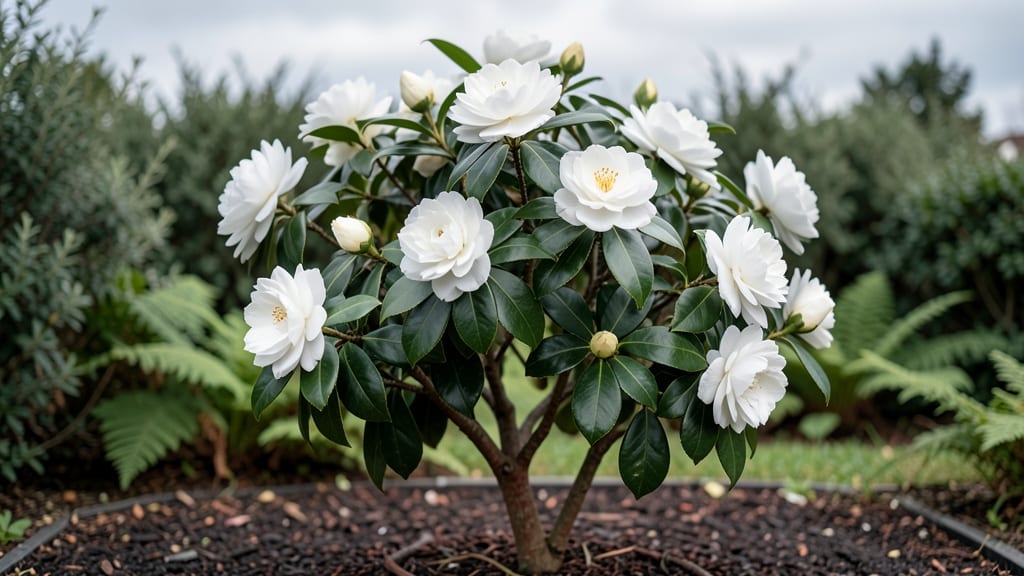
Growing a white camellia tree that thrives in cooler climates is easier than you think—and the fragrant blooms are worth every effort. 🌸 I’ve grown these cold-hardy varieties for years, and the secret lies in mimicking their natural habitat with just a few key adjustments to sunlight, soil, and water.
Start with morning sun and afternoon shade to protect delicate blooms, and plant in well-draining, acidic soil (think pine mulch or peat moss). Water deeply but infrequently—camellias hate soggy roots—and prune only to shape, never to cut back old wood.
With these basics, you’ll see glossy leaves and snow-white blossoms by late winter or early spring.
📚 In This Guide
- What you need
- Instructions
- Tips and common mistakes
- Wrapping up and next steps
What you need
- ● Camellia tree white plant: 1 cold-hardy variety (e.g., Camellia sasanqua or Camellia japonica cultivars like 'White Swan' or 'Yuletide'). Choose a 1-3 gallon container-grown specimen for best results.
- ● Well-draining soil: 3-5 bags (1 cubic yard total) of acidic, organic potting mix (pH 5.0–6.0). Mix in 1 part peat moss or pine bark per 2 parts garden soil.
- ● Planting site: Partial shade (3–6 hours of morning sun) or dappled light.
- ● Sheltered spot (e.g., near a fence or building) to protect from harsh winds.
- ● Mulch: 2–3 cubic feet of pine straw or wood chips (avoid cedar mulch—it’s toxic to camellias!).
- ● Watering can or hose: With a gentle spray nozzle for hydration.
- ● Pruning shears: Sharp, sterilized shears (for shaping and deadheading).
- ● Fertilizer: 1 bag of acid-loving plant fertilizer (e.g., 8-3-9 or 10-10-10 with micronutrients). Apply only in spring.
- ● Soil pH test kit: To monitor acidity levels (aim for 5.0–6.0).
- ● Epsom salt: 1–2 pounds for magnesium boost (dissolve 1 tbsp in 1 gallon of water, apply monthly in growing season).
- ● Tree stakes & ties: For young plants in windy areas.
- ● Frost cloth: Lightweight cover for young plants during unexpected late frosts.
- ● Slow-release fertilizer spikes: For hassle-free feeding.
- ● Decorative rocks or bark: To enhance mulch and aesthetics.
Step-by-step guide to planting and caring for cold-hardy white camellias
Here's how I've successfully grown these stunning winter-bloomers in colder climates—no fancy tricks, just proven techniques.
🪴 Step 1: Select the Perfect Planting Site
White camellias thrive in partial shade—think morning sun with afternoon shade—to protect their delicate blooms from harsh afternoon rays. I always choose a spot where they'll receive 3-6 hours of filtered sunlight daily, especially in hotter months. The soil should drain well but retain moisture; camellias despise soggy roots.
Test your soil's acidity—these beauties demand pH 5.5-6.5. If your soil runs neutral, amend with sulfur or peat moss before planting. I dig a hole twice as wide as the root ball but only as deep as the container's depth—burying too deep suffocates the roots. Loosen the root ball gently if it's tightly bound, encouraging outward growth.
☀️ Step 2: Plant at the Right Time and Depth
Fall is ideal for planting—6-8 weeks before your first frost—giving roots time to establish before winter. If you must plant in spring, do it early before new growth begins. Position the plant so the top of the root ball sits just below soil level—never deeper, or you'll invite rot. Backfill with your amended soil, pressing lightly to remove air pockets.
Water deeply right after planting to settle the soil and eliminate gaps. You'll see new growth in spring as a sign the roots have taken hold. Mulch with 2-3 inches of acidic mulch (like pine bark) around the base, keeping it 6 inches away from the trunk to prevent moisture buildup that causes rot.
💧 Step 3: Water and Fertilize for Year-Round Health
Camellias need consistent moisture—water 1-2 times per week during dry spells, aiming for 1-2 inches of water per week. Check soil moisture by sticking your finger 2 inches deep; if it's dry, water thoroughly. Avoid wetting the foliage to prevent fungal diseases like petal blight, which turns blooms brown and slimy.
Feed in early spring with an acid-loving plant fertilizer (look for high nitrogen for foliage or balanced NPK for blooms). I use a slow-release granular fertilizer spread 6 inches from the trunk, then water deeply to activate it. Skip fall fertilizing—new growth won't harden off before winter, and tender shoots invite frost damage.
✂️ Step 4: Prune for Shape and Winter Prep
Prune right after flowering (late spring) to shape the tree and encourage next year's blooms. Remove dead, crossing, or weak branches first, then thin out interior branches to improve airflow. Never prune into old wood—camellias bloom on current season's growth, so prune just above a bud or outward-facing leaf.
For winter prep, reduce watering once temperatures drop below 40°F, but don't let the soil dry out completely. Wrap young trees (under 3 years old) with burlap or frost cloth to protect tender bark from winter sun scald. Older trees handle cold better but still benefit from mulch to insulate roots.
🌿 Step 5: Monitor for Pests and Seasonal Adjustments
Watch for camellia scale (tiny bumps on stems) or spider mites (fine webbing on leaves). Treat early with neem oil or insecticidal soap, applying in early morning to avoid burning foliage. If fungal issues appear, remove affected leaves immediately and apply copper fungicide as a preventative.
Adjust care seasonally: spring is for fertilizing and pruning, summer focuses on even moisture, and fall is about prepping for dormancy. You'll know you're doing it right when your camellia bursts into snow-white blooms from late fall to early spring, defying winter's chill.
Tips & tricks for perfect cold-hardy white camellias
These simple yet game-changing strategies will help your white camellias thrive year after year in colder climates.
Site Selection Wisdom: When choosing your planting location, pay close attention to the 3-6 hours of filtered sunlight recommendation. I've found that east-facing spots work exceptionally well—the morning sun provides gentle warmth without the harsh afternoon rays that can scorch delicate blooms. If your yard lacks natural shade, consider planting near a north-facing wall or using a lightweight shade cloth (30-50%) during peak summer hours to mimic partial shade conditions. This balance is key to preventing sunburn while still ensuring enough light for those stunning winter blooms.
Soil Preparation Insight: The pH 5.5-6.5 requirement isn't just about acidity—it's about creating the perfect environment for root health. Before planting, I recommend mixing 1 part sulfur or peat moss into the bottom of your planting hole to create an acidic zone where roots can thrive. For existing plants struggling with neutral soil, consider adding cottonseed meal (a slow-release acidifier) around the base in early spring—it won't alter the soil pH drastically but gives roots a helpful boost. Remember, camellias are sensitive to alkaline conditions, which can lock out essential nutrients.
Planting Depth Technique: Getting the planting depth right is more critical than most gardeners realize. The instructions specify positioning the root ball so its top sits just below soil level, but here's what I've learned: if your soil is particularly dense or compacted, you can actually plant slightly shallower (1/4 inch above soil level) to prevent water pooling around the stem. This subtle adjustment has saved several of my plants from potential rot issues. Always check by pressing your finger into the soil around the base—it should feel moist but not soggy immediately after planting.
Seasonal Care Strategy: The transition from summer to winter care is where many gardeners go wrong. Once temperatures consistently drop below 40°F, I recommend switching to a deep watering schedule every 10-14 days rather than the regular 1-2 times per week. This prevents the soil from freezing too deeply while still maintaining adequate moisture. For young trees, I've found that wrapping the trunk with burlap soaked in water before applying frost cloth provides an extra layer of protection against winter sun scald—this simple trick has kept several of my tender young camellias thriving through harsh winters.
Pro Tips for Camellia Tree White
- These simple yet game-changing strategies will help your white camellias thrive year after year in colder climates.
- Site Selection Wisdom: When choosing your planting location, pay close attention to the 3-6 hours of filtered sunlight recommendation.
- Soil Preparation Insight: The pH 5.5-6.5 requirement isn't just about acidity—it's about creating the perfect environment for root health.
Frequently asked questions
Got questions about growing Camellia trees with white blooms in colder climates? You’re not alone!
Here are the most common queries—and answers—to help you thrive with this stunning, cold-hardy variety.
How cold can white camellia trees tolerate?
Most cold-hardy white camellias (like Camellia sasanqua ‘Yuletide’ or ‘Bonanza’) survive down to 10–15°F (-12 to -9°C) with proper care. Young trees or tender varieties may need winter protection (mulch, burlap wraps) in zones below 7. Pro tip: Plant in sheltered spots and avoid late-season pruning to boost cold resilience!
When is the best time to plant a white camellia tree?
Fall (4–6 weeks before first frost) is ideal—roots establish before winter, and spring’s growth surge is less stressful. Never plant in extreme heat or frost. For container-grown trees, water thoroughly before transplanting to reduce shock. Bonus: Amend soil with compost for better moisture retention!
Do white camellias need full sun, or can they handle shade?
While they love morning sun (4–6 hours), white camellias tolerate partial shade—especially in hot climates. Too much shade? Expect fewer blooms. In cold regions, afternoon shade helps prevent winter burn. Golden rule: Dappled light = happy camellias!
Why aren’t my white camellia flowers opening?
Common culprits:
- Too much shade (needs light for blooming).
- Over-fertilizing (focus on low-nitrogen fertilizer in early spring).
- Late frost (blooms can get nipped; choose early-flowering varieties).
- Stress (drought, transplant shock).
What’s a good alternative if white camellias won’t grow in my zone?
Try these cold-hardy, white-blooming shrubs:
- Hydrangea ‘Annabelle’ (zones 3–9, drought-tolerant).
- Pieris japonica ‘Little Heath’ (zones 5–8, evergreen).
- Viburnum ‘Winterthur’ (zones 4–8, fragrant blooms).
Wrapping up and next steps
The white camellia tree isn’t just a stunning addition to your garden—it’s a resilient, low-maintenance beauty that thrives even in colder climates! 🌸 With the right soil, sunlight, and care, you’ll enjoy its delicate blooms for years to come.
Whether you’re a seasoned gardener or just starting, this cold-hardy variety is a rewarding choice.
Ready to plant your own white camellia masterpiece? Start by selecting the perfect spot, gathering your supplies, and following the steps you’ve learned. Before you know it, your garden will be graced with elegant, fragrant blooms—worth every effort!