
Flowers
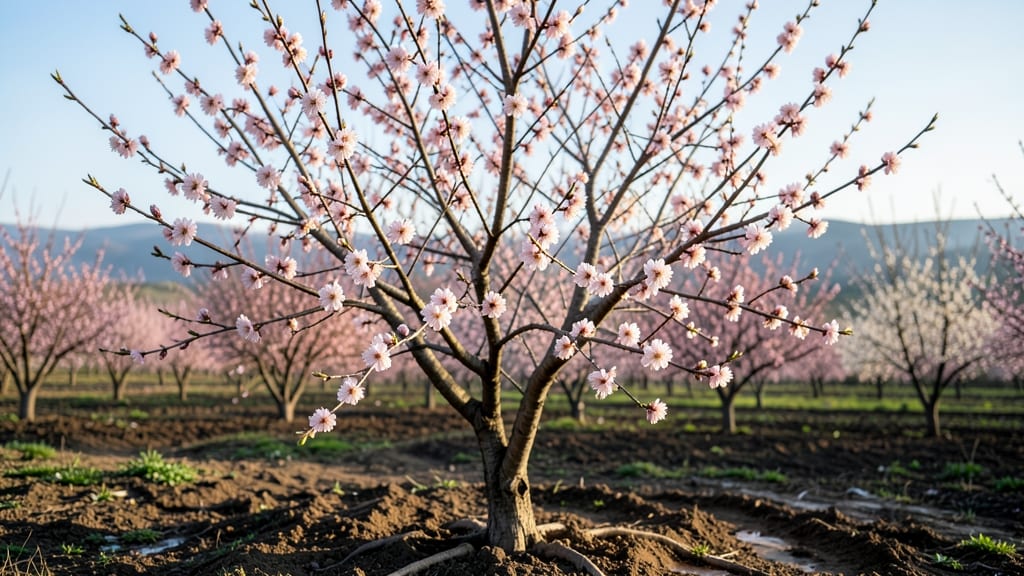
The branches of almond tree in blossom typically bloom for 7 to 14 days, with their most stunning appearance lasting 5 to 7 days. Pruning after flowering promotes healthy growth while safeguarding next year's blossoms. Precision in timing and method is key for the best results.
The short bloom cycle of almond trees is nature's way of ensuring successful pollination before the tree shifts its energy to nut production. 🌸 These delicate pink or white flowers need warm days and cool nights to trigger their brief but spectacular display, which is why they often peak in early spring.
I've noticed that almond trees in warmer climates may bloom slightly longer, but the core window remains consistent—this helps gardeners plan their pruning and pest control schedules efficiently.
After the blossoms fade, the tree enters a critical phase where proper pruning can make all the difference. Removing spent flowers and shaping the branches encourages the tree to focus its energy on developing next year's blossoms rather than unnecessary foliage.
This is also the perfect time to remove any dead or crossing branches that could hinder airflow or sunlight penetration.
💡 In This Article
- Why Almond Tree Blossoms Last Only a Short Time
- Step-by-Step Guide to Pruning Almond Tree Branches After Blossoming
Why almond tree blossoms last only a short time
Almond tree blossoms follow a strict biological timeline because their primary purpose is pollination—not prolonged beauty. These flowers contain both male and female reproductive parts, but they're self-incompatible, meaning they need cross-pollination from other trees to produce nuts.
The 7-14 day bloom window creates an evolutionary advantage by ensuring pollinators like bees have a concentrated food source, while the tree quickly shifts resources to nut development once fertilization occurs.
The timing is triggered by specific environmental cues: almond trees require warm daytime temperatures (60-70°F) combined with cool nights (50-55°F) to break winter dormancy and initiate flowering.
This temperature sensitivity explains why blooms appear earlier in southern climates (like California's Central Valley) compared to northern regions. 🌸 Unlike peach trees (which bloom for 10-14 days) or apple trees (14-21 days), almonds have a more compressed schedule because their nuts develop rapidly after pollination—typically within 60-90 days of bloom.
Genetics also play a role in this short bloom cycle. Most commercial almond varieties are grafted from specific rootstocks that prioritize reproductive efficiency over extended floral displays. The tree's energy allocation system is hardwired to maximize nut production rather than prolonging blossoms.
What we perceive as a fleeting beauty is actually an optimized biological strategy—one that makes almond orchards particularly vulnerable to late spring frosts, which can destroy blossoms before pollination occurs.
This rapid bloom cycle has practical implications for gardeners. The 5-7 day peak beauty window means you have a narrow opportunity to enjoy the tree's full splendor or capture photographs.
After this period, the flowers begin to fall, revealing tiny green nuts that will eventually develop into the almonds we know.
The tree's quick transition from bloom to fruit production also explains why almond trees require less maintenance than many other fruit trees—they're not designed to sustain ornamental flowers for long periods.
Interestingly, this short bloom period creates challenges for commercial growers. While it ensures efficient pollination, it also means that even a single late frost (below 28°F) can devastate an entire orchard's crop.
This is why many commercial almond farms use frost protection methods like wind machines, sprinkler systems, or even smoke screens during critical bloom periods. The tree's biological clock simply doesn't account for unpredictable weather patterns.