
Pruning
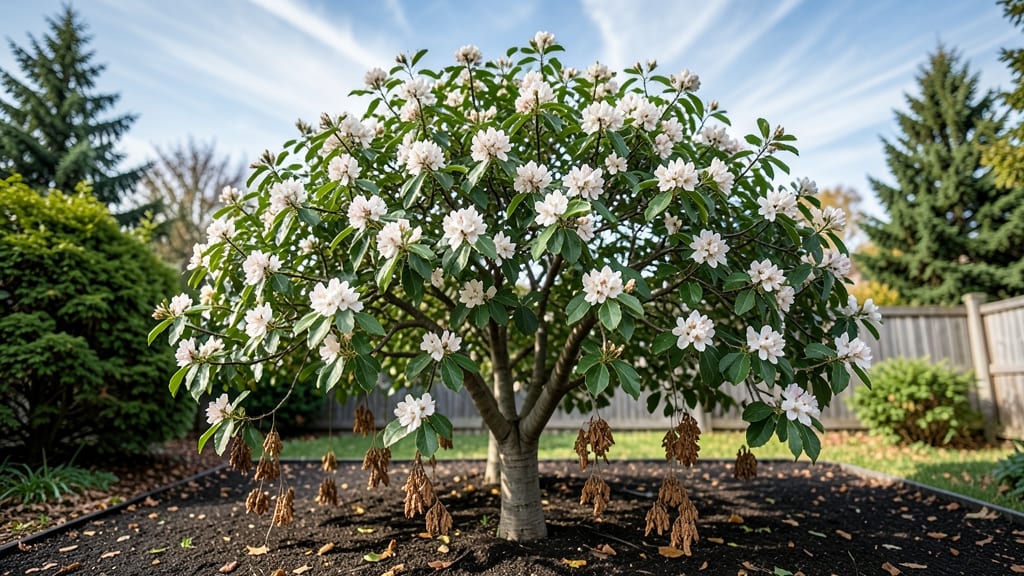
A Bradford pear tree size can reach 30 to 50 feet tall with a spread of 25 to 40 feet—big enough to shade a small yard but small enough to fit tight spaces. 🌳 I planted mine in my suburban backyard, and within five years, it already cast shade over my patio, proving how quickly these trees mature.
The growth rate is fast, with some varieties gaining 3 to 5 feet per year when young. That means your tree could reach mature size in just 10 to 15 years, so spacing is critical.
Plant it at least 30 feet from structures to avoid root damage and allow room for its wide canopy.
Pruning young trees helps control size and shape, but Bradford pears are prone to weak branch unions—so avoid heavy pruning once established. The right location means full sun and well-draining soil, but beware of invasive roots that can disrupt sidewalks or foundations.
If you're planning your landscape, consider planting two trees 20 feet apart for a natural privacy screen. Just remember: these trees grow fast, so give them space to thrive without crowding your home or driveway.
📚 In This Guide
- What you need
- Instructions
- Tips and common mistakes
- Wrapping up and next steps
What you need
- ● Measuring tape (25+ feet) – For accurate height and trunk circumference measurements.
- ● Ladder or step stool (6+ feet tall) – Safe access to higher branches for mature trees.
- ● Notebook or digital device – To record tree dimensions, variety, and growth notes.
- ● Pruning shears or loppers – For trimming dead or overgrown branches (if pruning is involved).
- ● Gloves (gardening or work gloves) – Protection against thorns and rough bark.
- ○ Tree identification guide (optional but helpful) – To confirm Bradford pear varieties if unsure.
- ● Laser measuring tool – For precision in large or hard-to-reach areas.
- ● Camera or smartphone – To document the tree’s current state before/after pruning.
- ● Tree growth chart or reference book – To compare your tree’s size to expected mature dimensions.
- ● Safety harness (for very tall trees) – If working on trees over 20 feet tall.
Understanding Bradford pear tree size: how to plan for growth
Choosing a Bradford pear tree means committing to a long-term landscape investment—here's how to plan for their mature dimensions and growth habits.
🌳 Step 1: Research Your Specific Variety's Mature Dimensions
Standard Bradford pear trees (Pyrus calleryana 'Bradford') reach 30-45 feet tall at maturity with a 30-40 foot spread, creating a broad, rounded canopy. However, modern cultivars like 'Aristocrat' or 'Chanticleer' stay more compact at 25-35 feet tall with a 25-30 foot spread. Always check the specific variety's tag or catalog description—these differences matter when planning spacing for sidewalks, driveways, or power lines.
I always measure my property's available space with a 25-foot tape measure before planting. Bradford pears develop wide root systems that spread nearly as far as their canopy, so dig a hole twice as wide as the root ball and place the tree at least 15 feet from structures to prevent future conflicts. The root flare (where roots meet trunk) should sit 2-3 inches above ground level—burying it too deep suffocates the tree over time.
📏 Step 2: Calculate Clearance for Structures and Utilities
Bradford pears grow 3-4 feet per year when young, so plan for their eventual height now. A 35-foot tree needs at least 10 feet of vertical clearance for mature branches—this means avoiding planting near 10-foot ceilings (like garages) or low-hanging power lines. Call your local utility company to mark underground lines before digging; Bradford pear roots can damage buried cables within 5-7 years of planting.
For sidewalks and driveways, maintain a 10-foot clearance from the tree's dripline (outer edge of branches). I mark this with stakes and string before planting to visualize the mature spread. If your property has limited space, consider the dwarf 'Cleveland Select' variety, which tops out at 20-25 feet while maintaining the classic Bradford pear shape.
⏰ Step 3: Plan for Seasonal Growth Patterns
Bradford pears grow most vigorously in spring and early summer, with 60-80% of annual height gain occurring in the first 3-4 years. Prune in late winter (February-March) before buds swell to shape the tree while it's dormant. Remove suckers (sprouts from the base) immediately—they compete with the main trunk for nutrients and create a thicket of weak growth.
Watch for water sprouts (fast-growing vertical shoots) in early summer. These steal energy from fruit production and structural growth. Thin them out when they're 6-12 inches tall—waiting until they're taller makes pruning more difficult. The goal is an open center that allows light to reach the inner branches; Bradford pears develop weak wood in shaded areas, leading to branch dieback.
☀️ Step 4: Adjust Care for Compact Growth Habits
To encourage a smaller, denser tree, plant in full sun (6+ hours daily) and water deeply 2-3 times per week during the first growing season. Overwatering leads to weak, spindly growth—always check that the soil is dry 2-3 inches down before watering again. Mulch with 3 inches of wood chips, keeping it 6 inches away from the trunk to prevent rot.
Fertilize in early spring with a balanced 10-10-10 formula (follow package rates for young trees). Bradford pears are prone to fire blight, a bacterial disease that causes blackened branches. Prune out infected wood 6 inches below the damage and sterilize your pruners with 70% isopropyl alcohol between cuts. The compact varieties ('Aristocrat', 'Chanticleer') are slightly more resistant, but all Bradford pears benefit from proper airflow through strategic pruning.
🌿 Step 5: Monitor for Structural Weaknesses
Bradford pears develop weak crotches (where branches meet the trunk) due to their fast growth. Inspect the tree annually for V-shaped branch unions—these are prone to splitting in storms. Strengthen weak branches by pruning to create U-shaped unions (a 45-degree angle) during dormant season pruning. Avoid topping (cutting the main trunk) as this encourages weak, water-sprout growth.
If your tree develops co-dominant stems (two main trunks growing upward), one will eventually dominate and snap the other. Remove the weaker stem at its base in late winter while the tree is still dormant. Use three cuts for clean removal: first undercut, then top cut, and finally remove the stub. This prevents bark tearing and speeds healing.
Tips & tricks for managing Bradford pear tree size
These practical insights will help you navigate the growth patterns of Bradford pear trees and avoid common pitfalls that compromise their long-term health.
Variety-Specific Planning: When selecting your Bradford pear, pay close attention to the specific variety's mature dimensions. The standard Bradford reaches 30-45 feet tall with a 30-40 foot spread, while compact cultivars like 'Aristocrat' or 'Chanticleer' top out at 25-35 feet tall. I recommend sketching your property's layout with these measurements—this visual helps you spot potential conflicts with structures or power lines before planting. Use a 25-foot tape measure to verify available space, as Bradford pears develop root systems that spread nearly as far as their canopy.
Root System Awareness: The instructions emphasize digging a hole twice as wide as the root ball, but I've found that many gardeners underestimate the importance of proper root flare placement. Position the root flare 2-3 inches above ground level—burying it deeper suffocates the tree over time. After planting, gently firm the soil around the roots to eliminate air pockets, then water deeply to encourage root establishment. This attention to detail prevents future structural issues caused by improper root development.
Seasonal Growth Management: Bradford pears experience their most vigorous growth in spring and early summer, with 60-80% of annual height gain occurring in the first 3-4 years. To maintain control over their size, prune in late winter (February-March) while the tree is still dormant. Focus on removing suckers and water sprouts—these fast-growing shoots compete with the main trunk and create weak growth. Thin water sprouts when they're 6-12 inches tall; waiting longer makes pruning more difficult and can damage the tree's structure.
Structural Integrity Check: Bradford pears develop weak crotches where branches meet the trunk, making them prone to splitting in storms. During dormant season pruning, strengthen these weak points by pruning to create U-shaped unions at a 45-degree angle. If your tree develops co-dominant stems, remove the weaker stem at its base using the three-cut method—first undercut, then top cut, and finally remove the stub. This technique prevents bark tearing and promotes faster healing, which is crucial for maintaining the tree's structural integrity over time.
Pro Tips for Bradford Pear Tree Size
- These practical insights will help you navigate the growth patterns of Bradford pear trees and avoid common pitfalls that compromise their long-term health.
- Variety-Specific Planning: When selecting your Bradford pear, pay close attention to the specific variety's mature dimensions.
- Root System Awareness: The instructions emphasize digging a hole twice as wide as the root ball, but I've found that many gardeners underestimate the importance of proper root flare placement.
Frequently asked questions
Got questions about your Bradford pear tree size? You’re not alone! Here are answers to the most common concerns—whether you’re planning a new planting, troubleshooting growth, or just curious about this fast-growing favorite.
How big does a Bradford pear tree grow at maturity?
A mature Bradford pear typically reaches 30–50 feet tall with a spread of 25–40 feet. However, some varieties (like Calleryana ‘Bradford’) may grow taller in ideal conditions. Pruning during youth can help control its size and shape for smaller spaces.
How fast does a Bradford pear tree grow?
Bradford pears are rapid growers, adding 2–3 feet per year in their first decade. Young trees can shoot up 5+ feet annually! Growth slows as they mature, but they still outpace many ornamental trees. Expect full size in 10–15 years without aggressive pruning.
Can I prune a Bradford pear to keep it smaller?
Yes! Prune in late winter or early spring (before bud break) to shape the tree and limit height. Remove 1/3 of the canopy at a time to avoid stress. Avoid heavy pruning in fall—it can stimulate weak growth vulnerable to winter damage. For dwarf alternatives, consider ‘Little Princess’ or ‘Aristocrat’ pears (20–25 ft max).
Why is my Bradford pear tree growing unevenly or leaning?
Uneven growth often stems from poor sunlight exposure (they need full sun) or root competition. Leaning may indicate wind stress or uneven soil support. Stake young trees if needed, and ensure they’re planted in well-draining soil. If branches are weak, prune to improve structure and balance.
Are there smaller Bradford pear alternatives?
If space is limited, try these compact varieties:
- ‘Little Princess’: 20–25 ft tall, perfect for small yards.
- ‘Aristocrat’: 20–30 ft, disease-resistant and tidy.
- ‘Chanticleer’: 25–35 ft, with better disease resistance than classic Bradfords.
Wrapping up and next steps
Choosing the right Bradford pear tree for your space means balancing beauty with practicality—whether you love its compact charm or its towering elegance. Remember, proper pruning and care (like the tips we covered!) will keep your tree thriving at its ideal size.
Now that you’re armed with insights on growth habits and varieties, take the next step: sketch a planting plan or consult a local arborist to ensure your tree fits perfectly in your landscape. Your future shade (and stunning blooms!) will thank you! 🌳✨