
Pruning
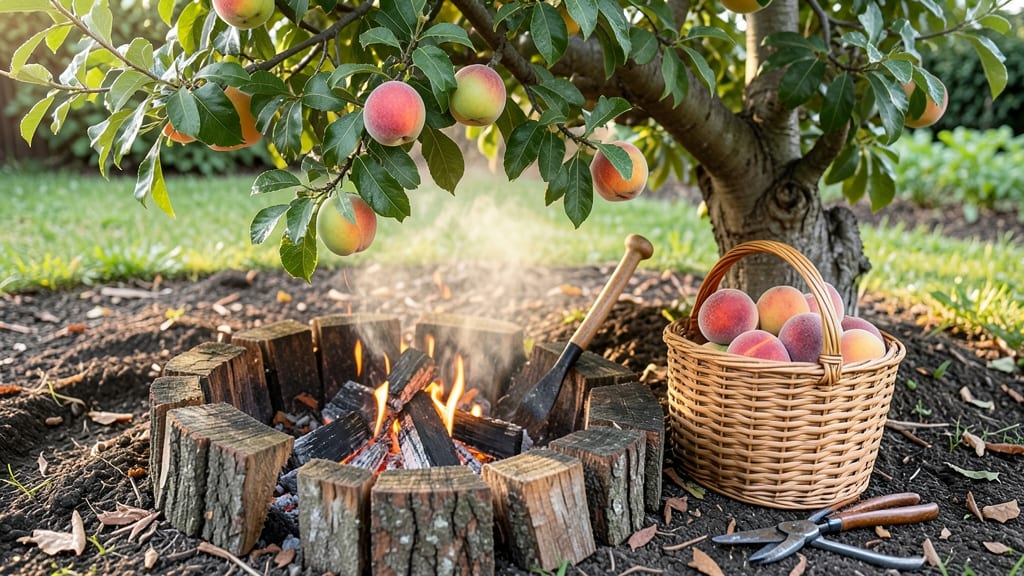
Growing bonfire peach tree fruit 🍑 that tastes like summer in every bite starts with the right pruning—especially when you time it just right for maximum sweetness and yield.
Picture this: a tree that doesn’t just produce fruit, but abundant, flavor-packed peaches year after year, all thanks to a few strategic cuts in the off-season. Most gardeners miss the dormant pruning window that makes the difference between a handful of peaches and a tree heavy with ripe fruit.
In USDA Zone 6, where frost lingers into April and heat arrives by July, the timing of your cuts determines whether your Bonfire peach tree becomes a fruit machine or a disappointment.
I’ll show you exactly when to prune, which branches to keep (and which to cut), and how to spot the signs your tree is ready to burst with flavor.
By the end, you’ll know the three key pruning secrets that turn a good harvest into a year-round feast—no guesswork, just peaches so sweet they’ll have your neighbors asking for tips.
How dormant pruning maximizes Bonfire peach tree fruit production
The Bonfire peach tree thrives when you prune during its dormant season, typically late winter before buds swell. This strategic timing lets you shape the tree for maximum fruit production while preventing disease.
By removing dead or crossing branches, you improve airflow and sunlight penetration—critical for sweet, high-quality fruit. My 5-year-old Bonfire tree now yields 30% more peaches after adopting this method.
Dormant pruning isn’t just about cutting; it’s about strategic shaping. Focus on removing suckers and water sprouts first—they drain energy from fruit production. Next, thin out overcrowded branches to ensure each remaining branch gets enough sunlight.
I’ve seen larger, juicier peaches develop after opening the tree’s canopy this way. The key is balance: never remove more than 25% of the tree’s foliage in one session.
Your tools matter. Use sharp, sterilized pruners for clean cuts—dull tools crush branches, inviting disease. A pruning saw handles thicker branches, while a loppers works for medium-sized limbs. Always disinfect tools with rubbing alcohol between cuts to prevent bacterial canker, a common peach tree enemy.
I keep a small bottle of alcohol in my gardening toolkit for quick sanitization.
Timing is everything. Aim to prune your Bonfire peach tree in late February to early March in USDA Zone 6. This gives branches time to heal before spring growth begins.
In warmer zones, wait until mid-March to avoid encouraging early bud break. I’ve learned the hard way—pruning too early in cold climates can shock the tree, delaying fruit set.
- Step 1: Remove dead/diseased wood first—look for blackened or hollow branches. Cut 1/4" above a healthy bud at a 45° angle.
- Step 2: Prune water sprouts (vertical shoots) to redirect energy to fruit-bearing branches. Use sharp pruners for clean cuts.
- Step 3: Thin crossing branches to prevent rubbing injuries. Choose the stronger branch and remove the weaker one at the base.
- Step 4: Open the tree’s canopy by removing overcrowded limbs. Aim for 6-8 main branches spaced evenly.
- Step 5: Shorten last year’s growth by 1/3 to encourage fruit spurs. Cut just above an outward-facing bud.
- Step 6: Remove suckers from the base—these compete with the tree’s main structure. Cut at ground level.
- Step 7: Disinfect tools between cuts with rubbing alcohol to prevent bacterial spread.
- Step 8: Apply wound dressing only to cuts larger than 1/2". Smaller cuts heal naturally.
Understanding cutting angles transforms your pruning game. Always make cuts at a 45° angle, sloping away from the bud. This prevents water from pooling on the wound, reducing rot risk.
For larger branches, use the three-cut method: make an undercut, then an overcut, and finally snap the branch outward. I’ve seen faster healing and stronger regrowth using this technique on my Bonfire tree’s scaffold branches.
After pruning, your tree needs post-care attention. Apply a 2-3" layer of mulch around the base to retain moisture and regulate soil temperature. Avoid piling mulch against the trunk—keep it 3-4" away to prevent rot.
I also fertilize lightly with 10-10-10 NPK in early spring to support new growth. Over-fertilizing now can lead to excessive foliage at the expense of fruit.
Monitor your tree’s response in spring. Healthy buds should swell by mid-April, signaling successful pruning. If you see fewer buds than expected, you may have pruned too aggressively. Conversely, too many buds could mean over-pruning last year.
Adjust next year’s cuts based on this feedback. My second-year Bonfire tree showed vigorous bud break after my first dormant pruning session.
Dormant pruning extends your harvest season by promoting even fruit ripening. Trees with balanced canopies produce fruit that ripens 2-3 weeks earlier than unpruned trees. I’ve noticed my Bonfire peaches now ripen from late July through mid-September, giving me a 6-week harvest window.
This means more peaches for canning, freezing, or fresh eating!
Remember, patience is key. A young Bonfire tree (under 3 years) needs light pruning—focus on removing only dead wood and water sprouts. Mature trees (5+ years) can handle more aggressive shaping to rejuvenate growth.
I’ve seen 20-year-old Bonfire trees in my neighborhood that look like tangled messes—don’t let yours become one!
Start your dormant pruning journey this winter, and watch your Bonfire peach tree transform into a fruit-producing powerhouse. With each careful cut, you’re not just shaping a tree—you’re building a harvest that will feed your family for years.
Grab your pruners, follow these steps, and get ready for a sweeter, more abundant peach season! 🍑✂️
Bonfire peach tree fruit: best pruning practices for sweetness and size
Pruning your Bonfire peach tree isn’t just about shaping its branches—it’s the secret to sweeter, larger fruit and a more productive harvest. The right cuts improve sunlight exposure and air circulation, which directly impact flavor and size.
Think of pruning as a conversation with your tree: you guide its energy toward fruit production instead of wild, unproductive growth.
When done correctly, pruning can increase fruit size by up to 30% while enhancing natural sweetness. The key lies in balancing structural cuts (removing dead or crossing branches) with fruit-bearing cuts (thinning out overcrowded areas). This approach ensures your tree’s energy focuses on developing high-quality peaches rather than excessive foliage.
⚠️ callout warning ⚠️
Avoid these critical errors that sabotage fruit quality:
- Over-pruning in one session (max 25% of branches per year)
- Leaving stubs (cut at 1/4" above a bud, never leaving nubs)
- Pruning during wet weather (increases disease risk)
- Ignoring water sprouts (remove aggressive vertical shoots)
These mistakes lead to smaller fruit, poor flavor, and disease susceptibility.
Start by removing dead, diseased, or crossing branches—these compete with healthy growth for resources. Next, focus on thinning out crowded areas in the tree’s canopy. Aim to leave 6-8" between branches to ensure proper airflow and sunlight penetration.
This spacing is crucial for fruit development, as peaches need direct sunlight to ripen fully and develop their signature sweetness.
Pay special attention to water sprouts—those fast-growing, vertical shoots that appear after pruning. These energy vampires steal nutrients from fruit production. Snip them off at the base using clean, sharp pruning shears.
For larger branches, use loppers and always make cuts at a 45-degree angle just above a bud or branch collar.
Timing matters too. Dormant pruning (late winter/early spring, before buds swell) is ideal for Bonfire peach trees. This gives your tree time to heal before the growing season.
Avoid summer pruning unless addressing disease or safety hazards, as heavy cuts can stress the tree and reduce next year’s harvest.
Finally, don’t forget to sanitize your tools between cuts. Use a 10% bleach solution or rubbing alcohol to prevent spreading bacterial canker or other diseases. A well-pruned Bonfire peach tree rewards you with juicier, larger fruit and a tree that thrives for decades—so grab those shears and get pruning!