
Pests
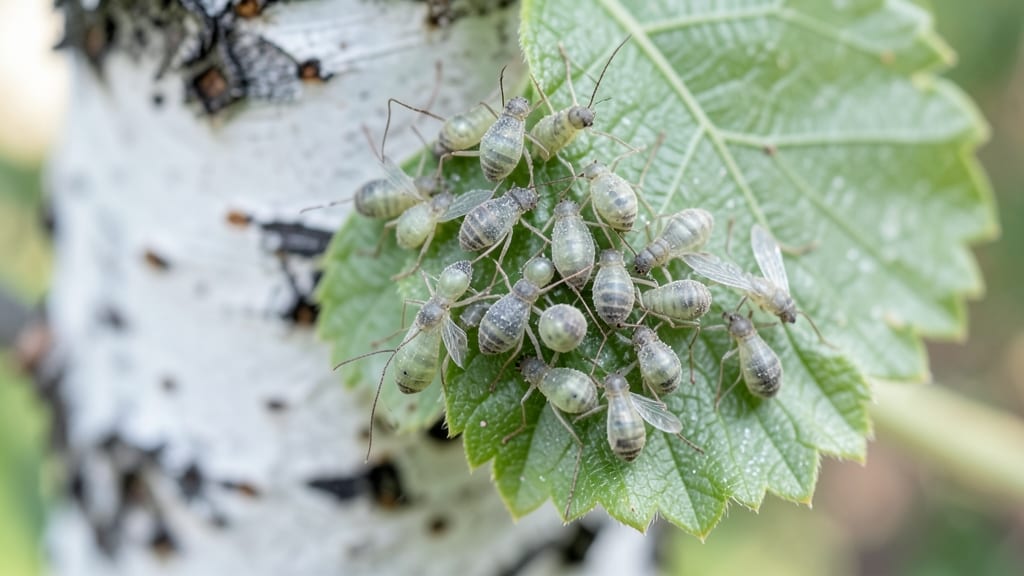
Those birch tree aphids covered in sticky sap and tiny black bugs? That’s your cue to act fast. 🌳 I’ve battled them for years, and this organic spray stops them dead in their tracks—no harsh chemicals needed.
The secret lies in a mix that aphids can’t stand, yet won’t harm your tree or local wildlife. These sap-sucking pests leave behind a telltale sticky residue called honeydew, which attracts sooty mold and weakens your tree. The good news?
A homemade spray with soap, water, and a few key ingredients disrupts their life cycle in 24-48 hours. You’ll see them drop like flies, and new growth will stay clean and vibrant. The best part? This method works preventively too.
Spray in early spring before aphids appear, and you’ll avoid the worst of the infestation. Just reapply every 7-10 days until the threat passes, and watch your birch thrive without the sticky mess.
For severe cases, combine this spray with pruning affected branches and inviting ladybugs (their natural predators) to your yard. If the problem persists, it might be time to call in a pro—but this spray handles 90% of infestations on its own.
The Hidden Triggers Behind Sap-Sucking Outbreaks
If your birch trees are suddenly blanketed in sticky, sugary residue and tiny green or black insects, you’re not dealing with a random pest attack—aphids thrive because of specific environmental and biological conditions.
Understanding these triggers is the first step to breaking the cycle. Here’s why these pests choose your trees as their all-you-can-eat buffet.
Aphids are like the freeloaders of the insect world—they zero in on trees that are already struggling. Birch trees under stress produce more honeydew (their favorite snack) and emit distress signals that aphids detect from miles away. Here’s what makes your trees vulnerable:
- Poor soil nutrition: Birches deprived of nitrogen, phosphorus, or potassium weaken their defenses. Aphids exploit this by latching onto tender new growth, which is packed with easy-to-access sugars. Test your soil—if pH is <4.5 or >7.5, aphids will feast without competition.
- Competition for sunlight: Shady or overcrowded birches grow slowly, producing softer stems that aphids can pierce effortlessly. Thin out nearby vegetation to improve airflow and sunlight exposure.
- Drought or overwatering: Both extremes stress trees. Aphids thrive when roots can’t deliver enough water to leaves, making them drought-damaged and aphid-magnets. Mulch properly (2–4 inches of organic mulch) to retain moisture without suffocating roots.
💡 Pro Tip: Healthy trees repel aphids naturally. Apply a balanced fertilizer (10-10-10 or similar) in early spring to boost vigor before aphids arrive.
Aphids are cold-blooded—literally. They reproduce exponentially faster in warm, stable environments. Your birch trees might be creating the perfect aphid spa without you realizing it:
| Factor | Why Aphids Love It | How to Fix It |
|---|---|---|
| 🌡️ Mild winters | Overwintering eggs hatch earlier, giving aphids a 6–8 week head start on colonization. | Prune trees in late winter to remove egg-laden buds. Avoid heavy mulch near the trunk to prevent insulation. |
| 🏡 Urban or suburban heat islands | Pavement and buildings trap heat, creating 3–5°F warmer zones where aphids multiply unchecked. | Plant shade trees (like oaks) to break up heat pockets. Use reflective mulch to reduce soil temperature. |
| 🌧️ Dry, still air | Aphids dry out without humidity, but their honeydew attracts ants—who protect aphids like bodyguards. | Install a drip irrigation system for consistent moisture. Avoid ant baits near trees (they’ll just recruit more aphid “farmers”). |
✨ Key Insight: Aphids don’t fly far—they hitch rides on wind or birds. If your neighbor’s trees are infested, their aphids will colonize yours within weeks.
Here’s the dirty secret: ants and aphids have a symbiotic relationship. Ants farm aphids like cattle, herding them to the best feeding spots and even protecting them from predators. If you see ants crawling up your birch tree, they’re likely:
- 🐜 Milking aphids for honeydew: Ants stroke aphids with their antennae to trigger extra honeydew production, then carry it back to their nest as food.
- 🏠 Building “aphid highways”:strong> They create trails along branches, guiding aphids to the most tender shoots.
- 🛡️ Warding off predators: Ants attack ladybugs, lacewings, and parasitic wasps that would otherwise eat aphids.
🔥 Action Step: Disrupt this partnership by:
- Setting up borax or diatomaceous earth barriers around the tree trunk (ants avoid these).
- Placing tanglefoot bands on trunks to block ant access.
- Encouraging aphid-eating predators (like hoverflies) by planting nearby herbs (dill, fennel, or yarrow).
Quick Fixes for Sap-Sucking Tree Invaders
Got tiny green or black bugs crowding your birch leaves? Don’t panic—these sap-sucking tree invaders (likely aphids) can be tackled fast with the right moves. Below, we break down cause-specific solutions so you can pick the perfect fix for your situation.
Plus, we’ll share prevention tips to keep your birch trees aphid-free for good!
Cause: Light infestations (fewer than 50 aphids per leaf) or early-stage outbreaks. Fix:
- 💦 Grab a hose with a forceful but gentle spray nozzle (or a soft brush for delicate leaves).
- 👨🍳 Aim at the undersides of leaves—aphids love hiding there!
- 🌧️ Blast for 10–15 seconds per cluster. The water dislodges them without harming the tree.
- 🧽 Follow up by wiping down leaves with a damp cloth if needed.
✨ Pro Tip: Do this early in the morning when aphids are sluggish. Repeat every 3–4 days until they’re gone.
Cause: Moderate infestations (50–200 aphids per leaf) or recurring outbreaks. Fix:
- 🧼 Mix 1 tablespoon of mild liquid soap (like Castile or insecticidal soap) with 1 quart of water.
- 🥣 Stir gently—avoid suds, which can clog sprayers.
- 🌿 Spray thoroughly on both sides of leaves, stems, and new growth. Focus on aphid hotspots.
- 🌡️ Wait 1–2 hours before watering to let the soap work.
⚠️ Caution: Test on a small branch first—some birch trees have sensitive bark.
💡 Pro Tip: Add 1 teaspoon of neem oil to the mix for extra pest-repelling power.
Cause: Heavy infestations (200+ aphids) or persistent problems. Fix:
- 🌿 Mix 1 tablespoon of neem oil with 1 teaspoon of mild soap and 1 quart of water.
- 🍳 Shake well—neem oil separates, so blend it in a blender for even coverage.
- 🌧️ Spray evenly on leaves, stems, and soil around the tree base.
- 📅 Reapply every 7–10 days until aphids disappear.
🌡️ Bonus: Neem oil also prevents future infestations by disrupting aphid reproduction.
Cause: Any infestation (best for prevention and long-term management). Fix:
- 🐞 Attract beneficial insects like ladybugs, lacewings, and parasitic wasps.
- Plant dill, fennel, or marigolds near your birch tree.
- Avoid pesticides—they kill helpful bugs too!
- 🌿 Install a small water source (like a shallow dish with pebbles) to keep predators hydrated.
- 🌱 Mulch with organic matter (like straw or wood chips) to support a healthy soil ecosystem.
🎯 Pro Tip: Buy ladybugs online (they’re sold as live pest control) and release them in the evening when they’re least likely to fly away.
Stop aphids before they start with these easy habits: - 🌿 Prune regularly to improve airflow—aphids thrive in dense, shaded areas. - 💦 Water at the base (not overhead) to reduce leaf moisture, which aphids love. - 🍃 Clean up fallen leaves in autumn to remove overwintering eggs. - 🌱 Fertilize wisely—over-fertilizing can attract more pests.
Use balanced, organic fertilizer instead. - 🔍 Inspect trees weekly in spring and summer. Catch small clusters before they explode!
💡 Final Reminder: If aphids keep coming back or your tree looks severely stressed, consider consulting a local arborist—they can check for underlying issues like nutrient deficiencies or diseases.
Frequently asked questions
What do birch tree aphids look like, and how can I confirm they’re aphids?
Birch tree aphids are tiny (1/16 inch) and usually green, black, or gray. They cluster on new growth, stems, or leaf undersides. Look for their telltale sticky honeydew residue—a sign they’re sucking sap. Use a magnifying glass to spot their soft, pear-shaped bodies and antennae.
Will my birch tree survive a severe aphid infestation?
Most healthy birch trees recover, but severe infestations can weaken them. If leaves yellow or curl excessively, act fast with neem oil sprays or soapy water. Prune affected branches to reduce stress. If the tree appears severely stressed (e.g., wilting, dieback), consult an arborist.
Can I use store-bought insecticides on birch trees?
Chemical insecticides can harm beneficial insects and may damage birch bark. Opt for organic solutions like insecticidal soap or neem oil first. If you must use chemicals, choose horticultural oils or pyrethrin-based sprays, and apply in early morning to avoid harming bees.
How do I keep ants from protecting aphids on my birch?
Ants "farm" aphids for honeydew, so disrupt their partnership! Apply borax barriers (1 part borax to 4 parts sugar) around the trunk or use tanglefoot bands to block ant trails. Plant mint or pennyroyal near the tree—ants dislike these scents.
When is the best time to treat birch tree aphids?
Act early spring (before buds swell) or late winter to remove overwintering eggs. For active infestations, treat on cool, cloudy days to reduce stress on the tree. Avoid spraying when bees are active (midday). Reapply every 7–10 days until aphids disappear.