
Trees
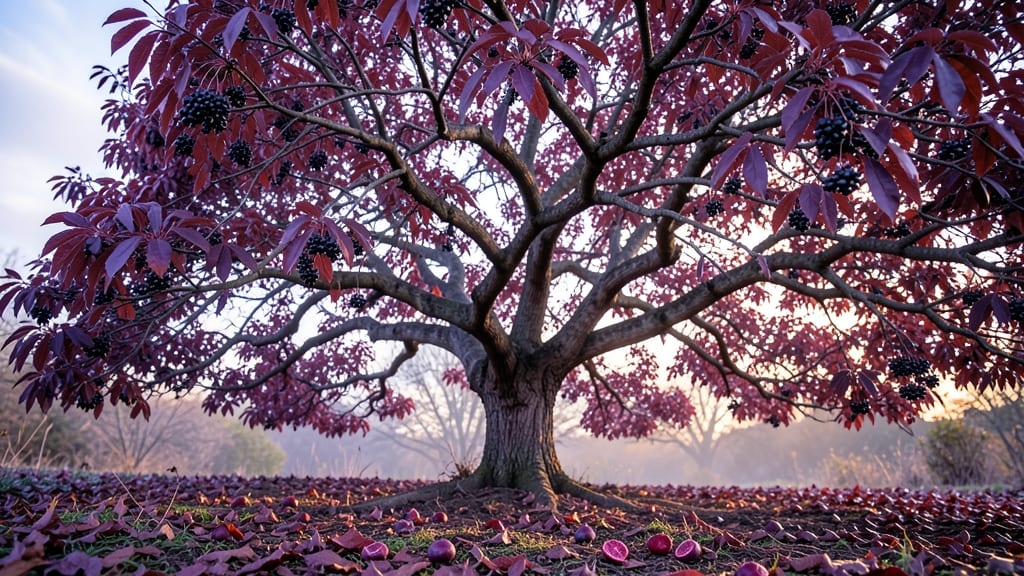
Northern gardeners often struggle to grow mulberries due to harsh winters—but these 10 cold-hardy varieties thrive in USDA Zones 4-6. From dwarf fruit-bearing types to ornamental giants, these trees deliver sweet berries, stunning foliage, and minimal winter dieback.
Illinois Everbearing Mulberry Tree
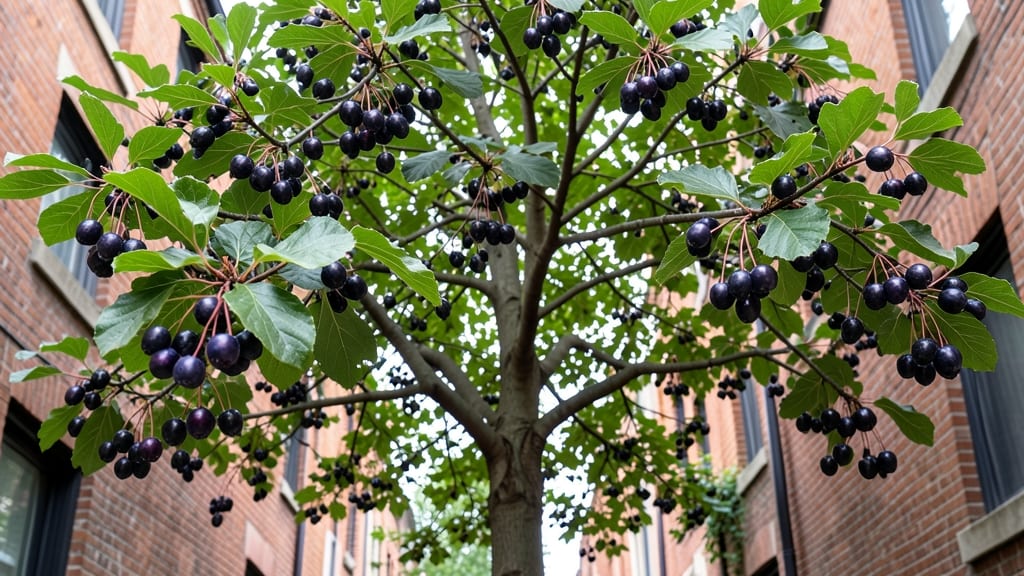
If you dream of an urban orchard that delivers two harvests a year without taking over your yard, the Illinois Everbearing Mulberry Tree is your game-changer. Unlike most mulberries that produce just once, this variety gives you sweet, deep-purple berries in spring and fall, with fruit lingering on branches for extended picking.
This cold-hardy tree (Zones 5-9) thrives in both city and suburban settings, reaching 20-30 feet tall but adaptable to pruning for smaller spaces. The berries—rich in antioxidants—stay firm longer than most varieties, making them ideal for fresh eating, jams, or drying. Minimal care is needed beyond regular watering and winter mulching in colder zones.
Perfect for urban gardeners with limited space, this tree offers year-round interest with its glossy foliage and persistent fruit clusters. 🌻
Dwarf Mulberry Tree (Morus Alba Nana)
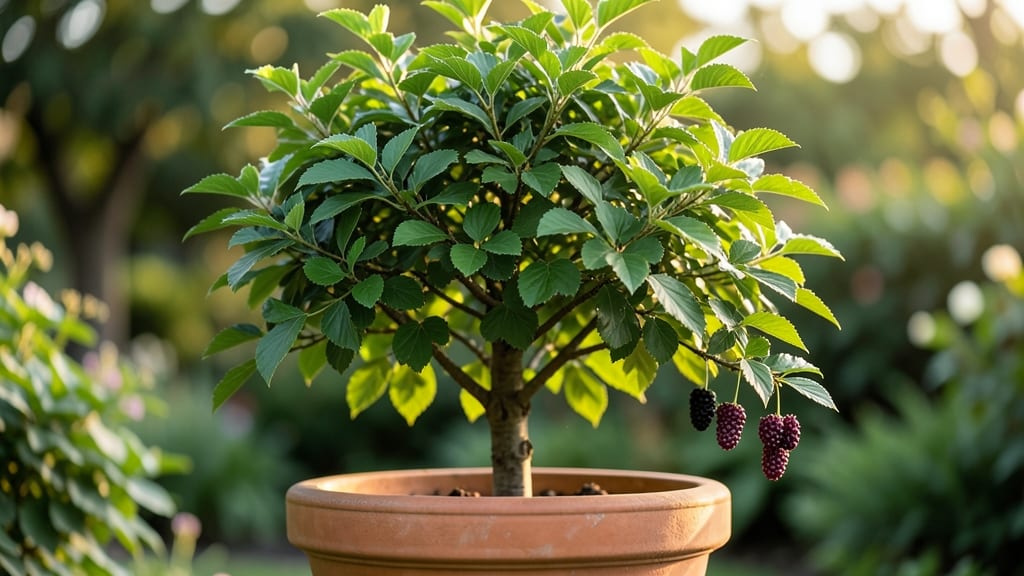
If you’ve ever dreamed of growing mulberries but lack space or worry about birds stealing your harvest, the dwarf mulberry tree (Morus alba Nana) is your perfect solution. This compact variety stays a manageable 6-8 feet tall, making it ideal for small yards, patios, or even large containers.
Unlike its taller cousins, this tree produces sweet, black berries that ripen later in the season—just when birds are less active. It thrives in full sun to partial shade and tolerates a range of soil types, including urban environments with compacted soil. With minimal pruning, you’ll enjoy year-round interest, from glossy foliage to winter branches.
Perfect for urban gardeners, balcony growers, or anyone wanting a low-maintenance fruit tree, this dwarf variety proves you don’t need acres to enjoy fresh mulberries. 🌱
Red Valley Mulberry Tree
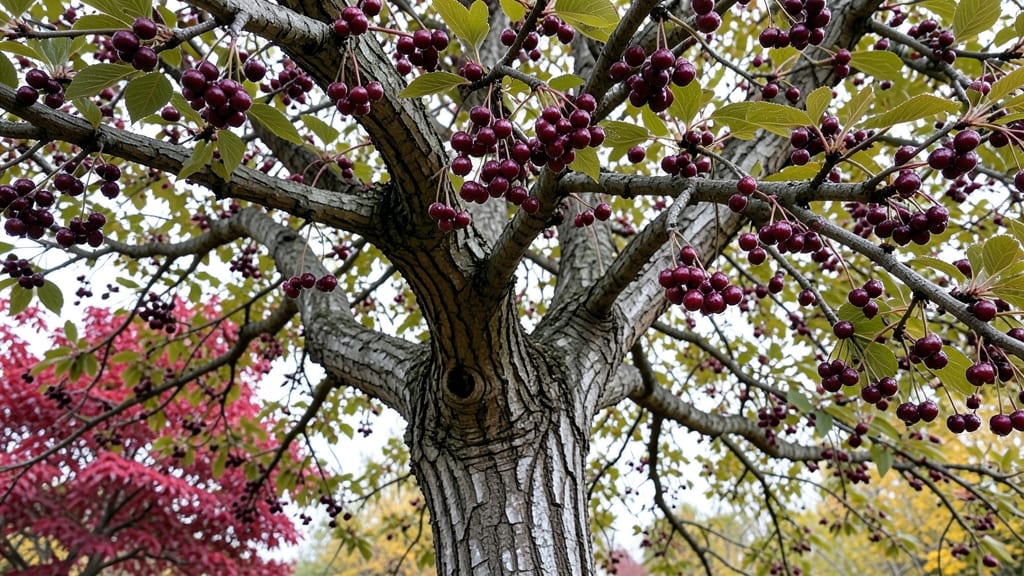
If you crave a spring berry harvest without waiting for summer, the Red Valley Mulberry Tree delivers—its fruit ripens earlier than most varieties while thriving in Zone 4 winters. This cold-hardy gem also transforms your landscape with vibrant red-purple foliage in fall, offering year-round visual interest.
Plant it in full sun for optimal berry production, and expect a mature height of 20-30 feet with a spread of 15-20 feet. The berries are smaller than some varieties but pack a sweet, tangy flavor perfect for fresh eating or jams. Prune in late winter to remove dead wood and shape the tree, but avoid heavy pruning—this variety rewards minimal intervention with reliable fruit sets.
Perfect for gardeners in colder climates who want both edible rewards and seasonal color, this tree is especially rewarding for those with limited space or who prefer low-maintenance fruit trees. 🌻
Black Diamond Mulberry Tree
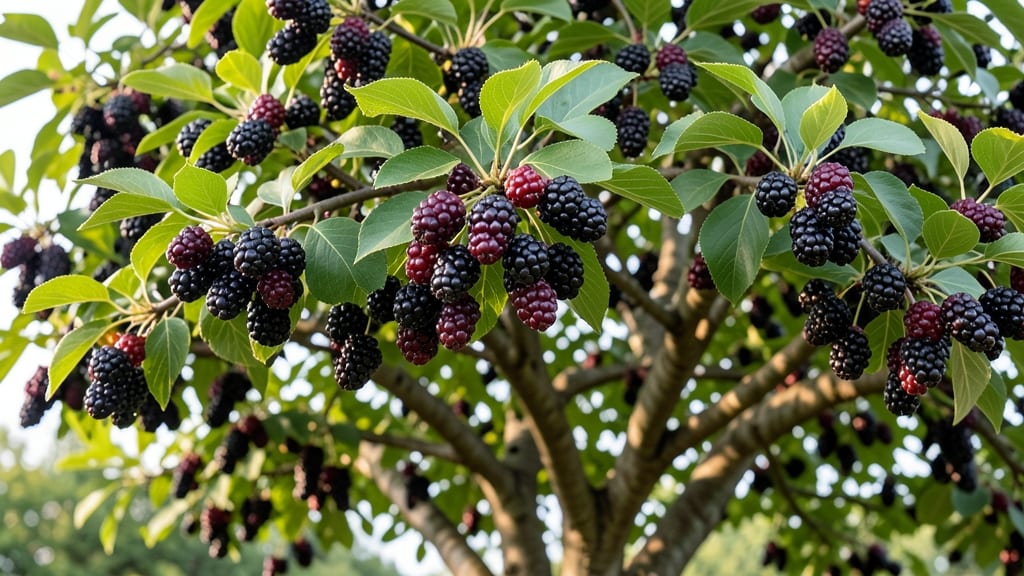
If you crave mulberries that are 30% larger and sweeter than standard varieties, the Black Diamond Mulberry Tree is your answer. Unlike other mulberries prone to powdery mildew or root rot, this variety boasts natural disease resistance, making it a low-maintenance superstar for both fresh eating and jam-making.
Plant it in full sun with well-draining soil, and expect glossy black berries to ripen in early summer. The tree thrives in USDA Zones 5-9, adapting well to both urban and rural settings. Prune lightly in late winter to maintain shape, and watch as birds (and humans!) flock to your bountiful harvest.
Homesteaders and jam enthusiasts will love this variety’s high sugar content and minimal fuss. It’s the perfect choice for those who want both beauty and productivity without the hassle of constant pest control. 🌟
White Mulberry Tree (Morus Alba)
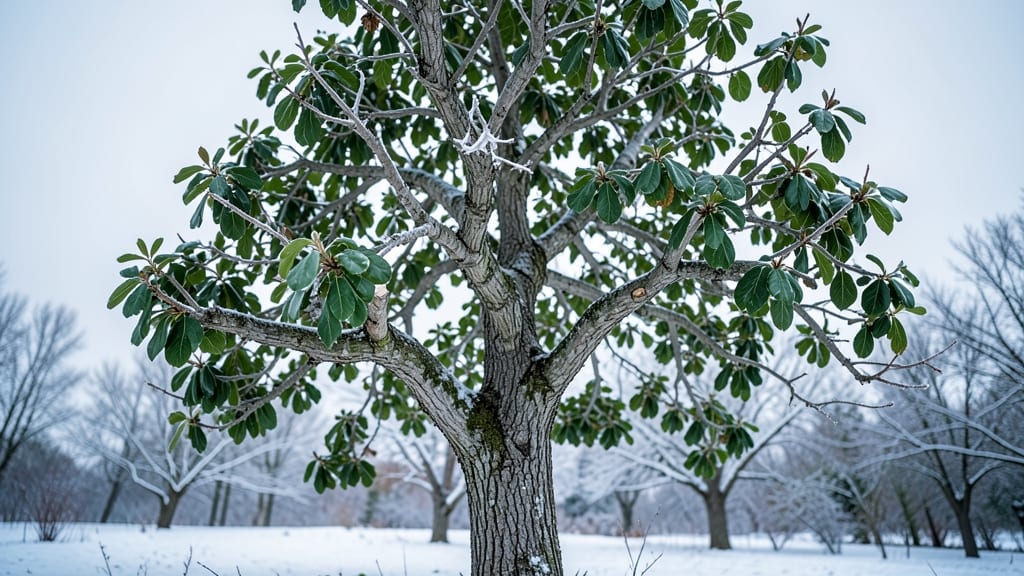
If you live in Zone 3 and want a mulberry tree that survives brutal winters, the White Mulberry (Morus alba) is your best bet. Unlike other varieties that struggle below Zone 5, this tree thrives in freezing temperatures, making it ideal for northern climates where other fruit trees fail.
What sets it apart is its white berries, which birds avoid—meaning you’ll keep your harvest for pies, jams, or fresh snacking without competition. The berries ripen in late summer and are slightly sweeter than black mulberries, though they’re smaller. Plant it in full sun with well-drained soil, and watch it grow into a 30-foot shade tree with minimal fuss.
This variety is perfect for gardeners in cold regions who want low-maintenance fruit production without the hassle of bird theft or winter dieback. 🌟
Golden Rainfall Mulberry Tree
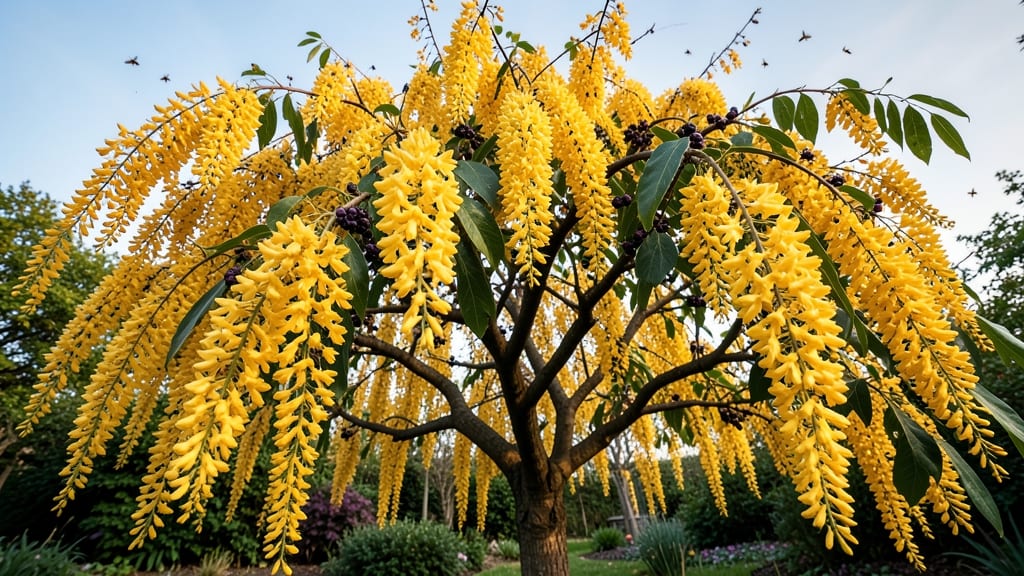
If you crave a tree that’s equal parts showstopper and superstar, the Golden Rainfall Mulberry Tree delivers with its cascading yellow flowers that resemble golden rain in spring. This isn’t just a pretty face—it’s a powerhouse that attracts pollinators while providing shade and edible berries.
Thriving in USDA Zones 5-9, this deciduous tree grows 15-25 feet tall with a rounded canopy, making it ideal for lawns or large containers. The spring blooms draw bees and butterflies, while its dark purple berries (edible but less sweet than other varieties) ripen in late summer. Prune lightly after flowering to maintain its graceful shape.
Perfect for gardeners who want year-round interest—from floral displays to seasonal fruit—this tree is a pollinator magnet and low-maintenance shade provider. It’s the ultimate multi-tasker for eco-conscious landscapes. 🌻
Osage Orange Mulberry Hybrid
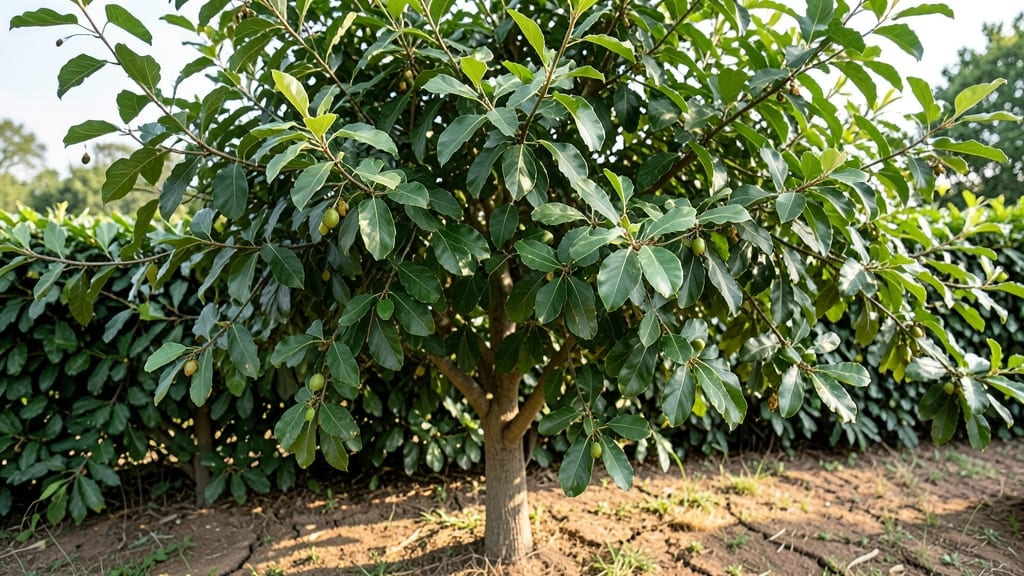
Looking for a privacy hedge that doubles as a fruit-bearing tree? The Osage Orange Mulberry Hybrid delivers thick, thornless branches perfect for screening while thriving in dry conditions—no extra watering required.
This unique cross combines the drought-resistant traits of Osage orange with the edible berries of mulberry, producing small but flavorful fruit that ripens in late summer. The fast-growing branches create dense foliage quickly, making it ideal for urban or rural property lines. Unlike traditional mulberries, it rarely attracts birds or pests, ensuring your harvest stays put.
Perfect for gardeners who want low-maintenance privacy without sacrificing fruit production, this hybrid shines in USDA Zones 5-9 and handles heat and poor soil with ease. 🌻
Mulberry Tree 'Cheongsimul' (Korean Mulberry)
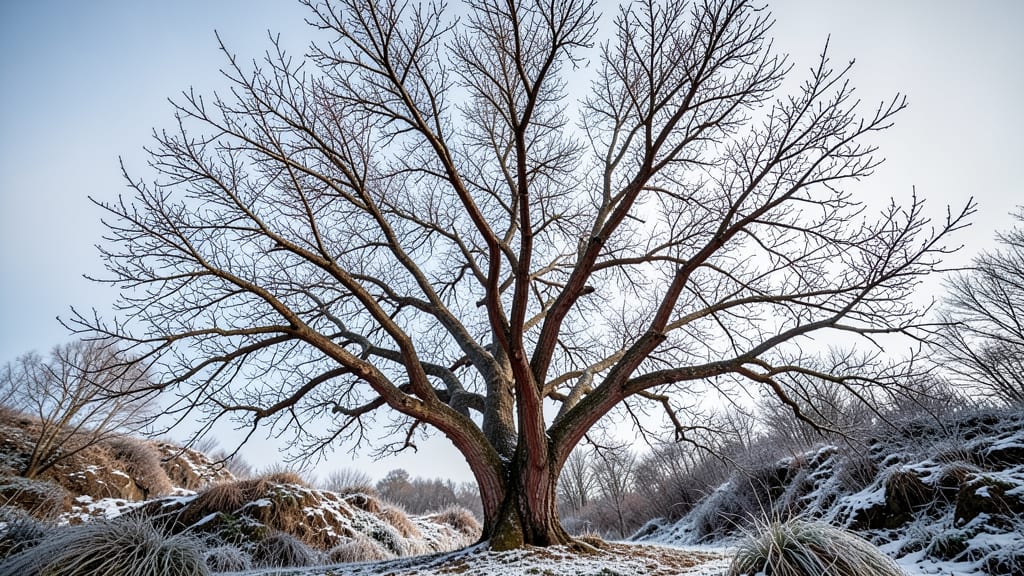
If you're looking for a mulberry tree that thrives in tough conditions without fuss, Cheongsimul (Korean Mulberry) is your answer. This variety stands out for its fast growth and ability to handle Zone 5 winters, making it a standout for northern climates where other mulberries struggle.
Native to Korea, this tree produces sweet, dark purple berries that ripen in late summer, perfect for fresh eating or jams. What sets it apart is its adaptability—it flourishes in poor soil and even tolerates drought once established. Plant it in full sun for best results, and watch it grow up to 30 feet tall with minimal care.
Ideal for gardeners in urban areas with limited space or those seeking a low-maintenance edible tree, Cheongsimul adds both beauty and bounty to your landscape. 🌱
Mulberry Tree 'Morus Rubra' (Red Mulberry)
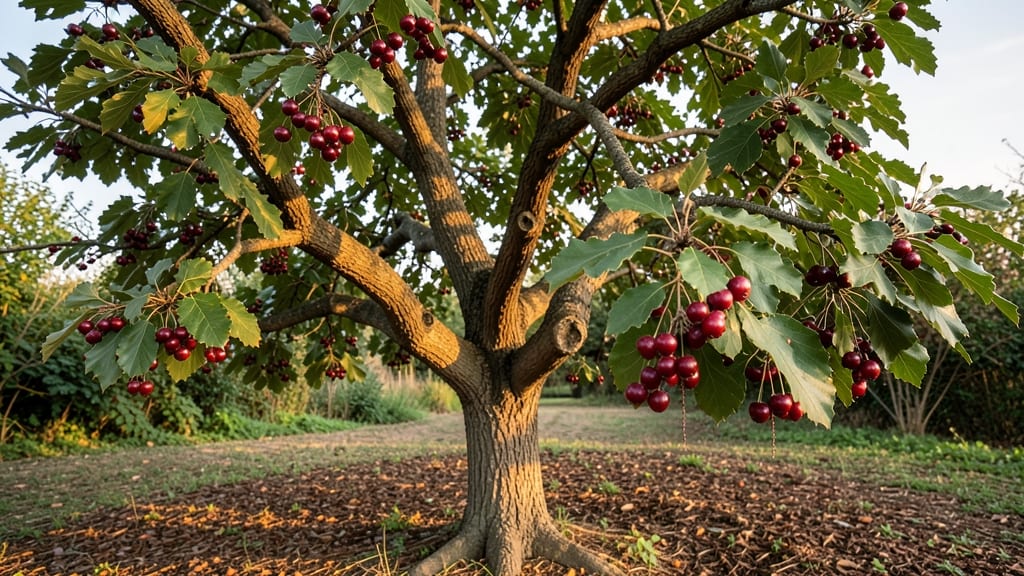
Looking for a low-maintenance, native mulberry that thrives without fuss? The Red Mulberry (Morus Rubra) is your answer—a hardy, pest-resistant tree with deep red berries that ripen in late summer. Unlike its Asian cousins, this North American native requires minimal intervention while rewarding you with a bountiful harvest.
This tree handles USDA Zones 5-9 with ease and tolerates poor soil, drought, and urban pollution once established. The lobed leaves and striking bark add year-round interest, while the berries—sweeter than black mulberries—attract wildlife without overwhelming your garden. Prune lightly in late winter to shape the tree and encourage fruit production.
Perfect for foragers, permaculture plots, or wildlife-friendly yards, the Red Mulberry delivers edible abundance with almost no effort. 🌻
Purple Leaf Mulberry Tree

Want a tree that doubles as a living work of art and a berry-producing powerhouse? The Purple Leaf Mulberry delivers year-round drama with its deep violet foliage that transitions to burgundy in winter, while still bearing edible fruit. Unlike most mulberries, this variety keeps its striking color even in colder months, making it a standout in any landscape.
This hardy tree thrives in full sun to partial shade and tolerates a wide range of soil types, including urban conditions. Plant it as a focal point in your garden or along property lines—its disease-resistant nature means less fuss and more beauty. The berries, while smaller than some varieties, are still sweet enough for jams or fresh snacking, giving you both form and function.
Perfect for gardeners who love seasonal color shifts without sacrificing practicality, this mulberry is ideal for urban gardens, small yards, or as a striking addition to mixed borders. 🌻