
Landscaping
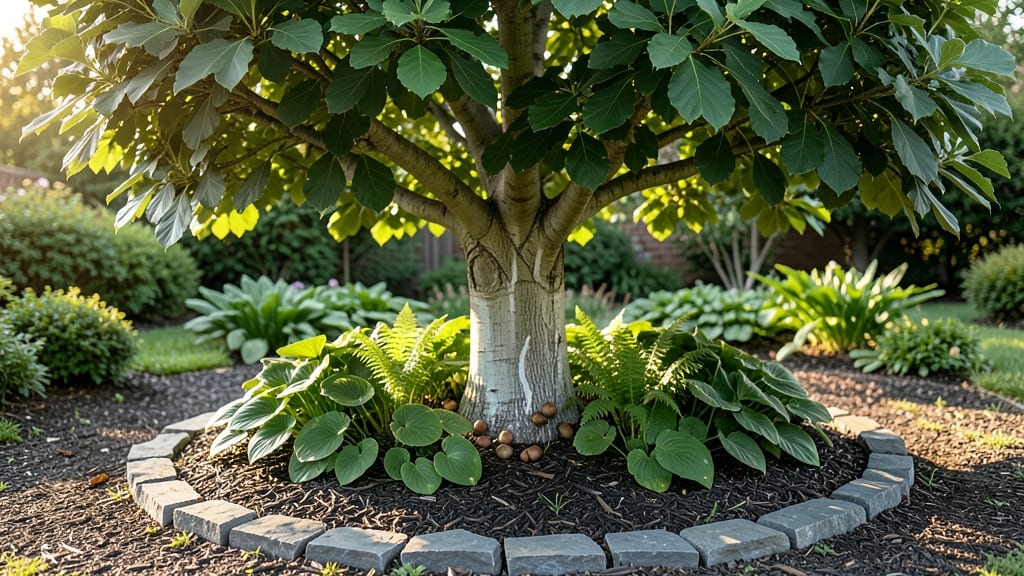
Your landscape could look like a masterpiece from a botanical magazine—thanks to beech trees. 🌳 Their dramatic height and velvety bark create a showstopper that works year-round, from spring blooms to winter silhouettes against the sky.
I planted mine as a focal point near the front walkway, and neighbors now ask about it every time they visit. The key to making beech trees shine in your design is placement.
They thrive in full sun to partial shade and need 6-8 feet of space to spread their roots comfortably. Pair them with low-growing perennials like hostas or ferns to highlight their towering presence, or use them as a natural hedge for privacy with their dense canopy.
What you’ll love most is how they transform with the seasons—golden leaves in fall, smooth bark in winter, and delicate spring catkins. A single beech tree becomes the centerpiece of any garden, while clusters create a grand, woodland-like atmosphere.
For best results, avoid planting too close to structures (they can get large!) and prune lightly in late winter to shape their natural form. The payoff? A landscape that feels timeless and effortlessly sophisticated.
📚 In This Guide
- What you need
- Instructions
- Tips and common mistakes
- Wrapping up and next steps
What you need
- ● Beech Tree Seedlings or Saplings: Choose Fagus sylvatica (European beech) or native Fagus grandifolia (American beech). Opt for 3-5 ft tall saplings for faster canopy growth.
- ● High-Quality Soil: 60 lbs of loamy, well-draining soil mixed with 20 lbs of compost (or organic matter) per planting hole.
- ● Mulch: 3-4 inches of wood chips or bark mulch (avoid dyed mulch) to retain moisture and suppress weeds.
- ● Tree Stakes & Ties: 2-4 stakes per tree (2-3 ft long) and soft tree ties to support young saplings.
- ● Fertilizer: Slow-release, balanced fertilizer (e.g., 10-10-10 or organic options like fish emulsion) for initial planting.
- ● Shovel or Spade: For digging 2-3 ft wide and deep planting holes.
- ● Wheelbarrow: To transport soil, mulch, and tools.
- ● Pruning Shears: For trimming dead branches or shaping the tree.
- ● Hose or Watering Can: With a gentle spray nozzle for post-planting hydration.
- ● Gloves & Safety Gear: Heavy-duty gloves and knee pads for comfort.
- ○ Optional: Soil pH tester (ideal pH: 6.0-7.0)
- ● Tree guard or protective barrier (to deter animals)
- ● Post-hole digger (if staking is needed)
- ● Site Assessment: Ensure full sun to partial shade (6+ hours of sunlight daily) and 6-8 ft of clearance for mature canopy height (up to 70 ft!).
- ● Soil Test: Check for compacted or clay-heavy soil—amend if necessary.
- ● Permits: Verify local regulations if planting near property lines or in HOAs.
- ● Season Timing: Plant in early spring or fall for optimal root establishment.
Instructions for planting and maintaining a stunning beech tree landscape
Here's how to create a showstopping beech tree display that delivers year-round beauty and structure.
🌱 Step 1: Select the Perfect Planting Site
Beech trees thrive in full sun to partial shade with 6+ hours of sunlight daily. Choose a location with well-draining soil—they hate soggy roots. I always look for spots with natural elevation or sandy loam where water drains quickly. The tree's dramatic canopy needs room to spread, so plant at least 30-40 feet apart for mature specimens.
Test your soil's drainage by digging a 12-inch deep hole and filling it with water. If it drains within an hour, your site is ready. If water pools after 2 hours, amend the soil with 2-3 inches of compost mixed into the top 12 inches. Beech trees develop stunning fall colors when they get consistent moisture but never stay waterlogged.
🪴 Step 2: Plant with Proper Spacing and Support
Dig a hole twice as wide as the root ball but no deeper—this encourages roots to spread horizontally. Gently remove the tree from its container and loosen any circling roots with your fingers. Place the tree in the hole so the top of the root ball sits 1-2 inches above ground level—this prevents rot when soil settles.
Backfill with native soil mixed with composted organic matter (about 1/3 compost to 2/3 soiltree stake or spiral support only if needed—beech trees grow strong trunks quickly. I skip staking for mature specimens unless winds are extreme in your area.
☀️ Step 3: Water Deeply and Mulch Generously
Water immediately after planting with 10-15 gallons of water to saturate the root zone. Young beech trees need 1-2 inches of water weekly during their first growing season, but mature trees are drought-tolerant once established. You'll know watering is right when the top 6 inches of soil feel moist but not soggy.
Spread 2-3 inches of mulch (wood chips or pine straw) in a 3-foot diameter circle around the base, keeping it 6 inches away from the trunk. This conserves moisture, regulates soil temperature, and prevents weed competition. Refresh mulch annually in spring—never let it pile against the trunk where it can cause rot.
✂️ Step 4: Prune for Structure and Health
Prune young beech trees in late winter or early spring before new growth begins. Remove any crossing branches or those growing inward to maintain an open canopy. I always cut back to the bud or branch collar—never leave stubs. For mature trees, focus on removing dead, diseased, or damaged branches in late winter when the tree is dormant.
Beech trees develop their iconic smooth gray bark beautifully when left unpruned, so avoid heavy shaping. You'll notice new growth emerge as bright green buds in early spring—this is your cue to avoid pruning until after they've hardened off. Never prune in fall, as it encourages tender new growth that won't survive winter.
🌿 Step 5: Maintain Year-Round Beauty
Fertilize young beech trees in early spring with a balanced 10-10-10 fertilizer spread over the root zone. Mature trees rarely need fertilizer unless soil tests show deficiencies. In fall, rake up fallen leaves to prevent smothering—beech trees drop their stunning copper-colored foliage, but too much leaf litter can compact soil over time.
Watch for signs of stress like yellowing leaves or oozing bark—these often signal fungal issues. Beech trees are generally low-maintenance once established, but their dramatic canopy height and year-round interest make them worth the attention. With proper spacing and care, your beech tree will become the centerpiece of your landscape for decades.
Tips & tricks for perfect beech tree landscaping
These practical tips will help you avoid common mistakes and create a thriving beech tree landscape that stands out year after year.
Site Selection Wisdom: When testing soil drainage in Step 1, use a bucket with marked measurements to track how quickly water drains. I've seen many gardeners skip this step and end up with soggy roots that stunt growth. For clay-heavy soils, consider planting on a slight mound to improve drainage naturally. The 6+ hours of sunlight requirement is non-negotiable—beech trees won't develop their signature fall colors without adequate light.
Root Ball Handling Technique: In Step 2, when loosening circling roots, be gentle but thorough—these roots can strangle the tree if left intact. I recommend using your fingers or a root rake rather than a knife to avoid damaging the delicate root tips. The 1-2 inches above ground level placement is crucial for preventing rot while allowing proper air circulation at the base.
Watering Strategy: For the 10-15 gallons of water in Step 3, use a hose with a flow restrictor to control the rate—pouring too quickly can cause soil erosion. I've found that watering in the early morning gives roots time to absorb moisture before evaporation. The 1-2 inches weekly measurement is best tracked with a rain gauge or tuna can buried in the soil to monitor moisture levels accurately.
Pruning Insight: When pruning in late winter as described in Step 4, look for branches that are growing at sharp angles—these are prime candidates for removal to prevent future breaks. The bright green buds in early spring are your natural alarm clock for when to stop pruning. I always carry a small bottle of rubbing alcohol to sterilize my pruning tools between cuts, which helps prevent disease transmission.
Pro Tips for Beech Tree Landscaping
- These practical tips will help you avoid common mistakes and create a thriving beech tree landscape that stands out year after year.
- Site Selection Wisdom: When testing soil drainage in Step 1, use a bucket with marked measurements to track how quickly water drains.
- Root Ball Handling Technique: In Step 2, when loosening circling roots, be gentle but thorough—these roots can strangle the tree if left intact.
Frequently asked questions
Got questions about transforming your space with beech trees? Here are some of the most common inquiries—and their straightforward answers—to help you plan with confidence!
How fast do beech trees grow, and when can I expect a full canopy?
Beech trees grow at a moderate pace, typically 12–24 inches per year. A mature canopy (30–50 feet tall) may take 20–30 years depending on the species and growing conditions. Patience pays off—these trees reward you with stunning year-round interest!
What’s the best time of year to plant a beech tree?
The ideal window is early spring or fall, when soil is workable but not frozen. Avoid planting in peak summer heat or winter frost. Young beech trees benefit from 6–8 weeks of establishment before extreme weather hits.
Are beech trees high-maintenance? What problems should I watch for?
Beech trees are generally low-maintenance but can face leaf blight, powdery mildew, or borer infestations. Prune dead or crowded branches in late winter to improve airflow. Mulch well and water deeply during droughts to keep them thriving.
Can I plant a beech tree near my house or driveway?
Yes! Beech trees are adaptable but need space to spread—aim for 30–50 feet from structures to avoid root conflicts or falling branches. Their shallow roots can lift sidewalks over time, so plant away from paved areas if possible.
What are some low-maintenance alternatives to beech trees?
If beech trees seem too demanding, consider:
- Oak trees (durable, long-lived, but slower-growing)
- Maple trees (fast-growing with vibrant fall color)
- Serviceberry (compact, ornamental, and wildlife-friendly)
Wrapping up and next steps
Beech trees bring timeless beauty and versatility to any landscape, offering stunning foliage, year-round interest, and a majestic presence. Whether you’re drawn to their golden autumn hues or the intricate bark texture in winter, these trees are a standout investment for curb appeal and ecological benefits.
Ready to transform your outdoor space? Start by sketching your design, sourcing the right variety, and planning for long-term care—your future will thank you!
Next step: Reach out to a local arborist or nursery to discuss soil testing, spacing, and maintenance tips tailored to your climate. Your dream beech tree oasis is just a few steps away! 🌳✨