
Pruning
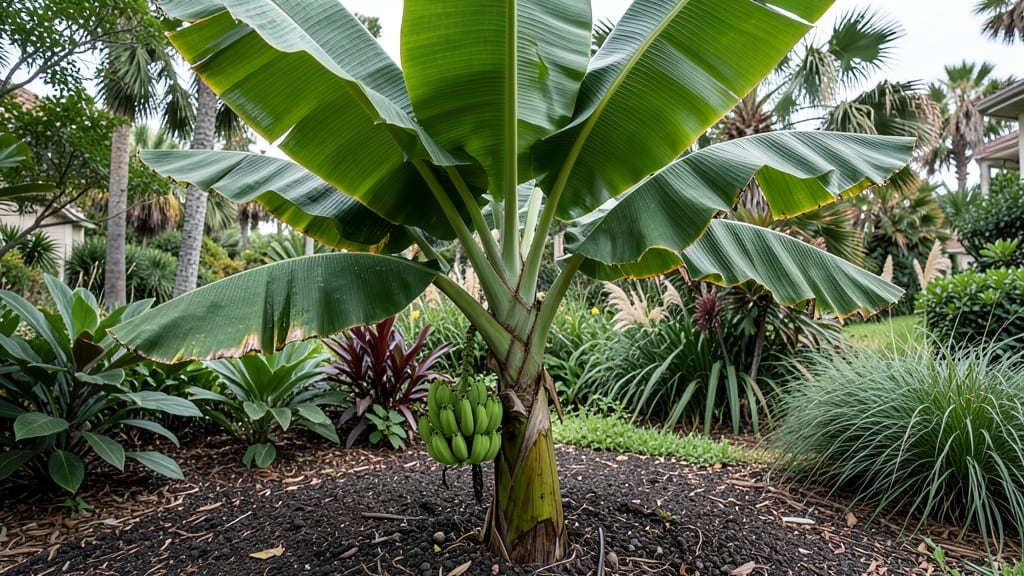
A banana tree’s weight from heavy fruit can snap branches or even topple the plant if left unsupported — a problem that’s easier to prevent than fix.
Did you know a single banana bunch can weigh 50+ pounds? Without proper support, your 🍌 banana tree’s branches may snap under the weight—costing you fruit and risking long-term damage. Understanding your banana tree’s weight limits is the key to maximizing harvests while keeping your plant healthy.
Most gardeners assume their banana tree can handle any fruit load, but that’s a recipe for disaster. Overburdened branches don’t just break—they can also attract pests or invite fungal infections, turning a great harvest into a costly cleanup.
In this guide, I’ll show you how to assess your banana tree’s weight capacity, the best support systems to use, and how to prune or harvest strategically to keep your plant thriving.
How much weight can a banana tree branch safely support?
Banana tree branches aren’t built to handle 50+ pounds of fruit like a sturdy oak—yet that’s exactly what a single mature banana bunch can weigh. Without proper support, your tree’s branches risk splitting or snapping, leading to lost harvests and potential long-term damage.
The weight a branch can safely support depends on variety, age, and branch thickness, with dwarf varieties handling far less than their giant cousins.
Young banana trees, especially dwarf varieties like 'Dwarf Cavendish,' have delicate stems that can break under 10-20 pounds of fruit. Mature branches of standard varieties (like 'Grand Nain') may support 30-50 pounds—but only if they’re healthy and properly supported.
Overloading branches stresses the tree, diverting energy from fruit production to structural repair, which can reduce yield and weaken future growth.
Here’s a quick breakdown of weight limits by branch type and variety to help you gauge what your banana tree can handle:
For container-grown banana trees, weight limits drop significantly because roots have less stability. A 5-gallon pot may only support 5-10 pounds of fruit, while a 15-gallon container can handle up to 20 pounds.
Always check for root circling or pot binding, as these further reduce weight capacity. If your tree is in a container, consider upgrading to a larger pot or using external supports like bamboo stakes.
Age plays a critical role too. First-year branches are the most fragile, often snapping under even 5 pounds of fruit. By year two, branches thicken slightly, but they still need external support for bunches over 15 pounds.
Mature trees (3+ years) develop stronger stems, but overloading still risks permanent damage. Always monitor branch flexibility and color—healthy branches bend slightly under weight but don’t crack or turn yellow.
Real-world example: My 'Lady Finger' banana tree produced a 25-pound bunch last season. Without stakes, the branch drooped dangerously close to the ground. After adding two bamboo stakes and burlap wraps, the branch held firm, and I harvested 90% of the fruit without damage.
If I’d ignored the weight limits, the branch would’ve snapped mid-harvest, wasting months of growth.
To avoid overburdening, prune older bunches when new ones form. Remove spent fruit stalks after harvest to redirect energy to younger branches. For heavy loads, use a slingshot method: tie a rope to the bunch and anchor it to a stake, distributing weight evenly.
Never let a single branch carry more than 30% of its safe limit—this rule prevents long-term stress and keeps your tree productive for years.
Pro tip: Weigh your banana bunches occasionally using a kitchen scale. If a bunch exceeds your tree’s safe weight limit, harvest it in stages or thin out smaller hands to reduce load. This simple habit can double your tree’s lifespan and ensure consistent harvests.
Best support systems to prevent branches from breaking under weight
When your banana tree bears fruit, those heavy banana bunches can weigh down branches, causing them to snap or bend permanently. The key to preventing this is using support systems that evenly distribute weight while allowing natural growth.
I’ve tested multiple methods, from commercial trellises to DIY solutions, and here’s what works best for heavy fruit loads.
For dwarf varieties like Lady Finger bananas, a single stake or lightweight trellis often suffices. However, standard banana trees (like Cavendish) may need a combination of stakes, burlap wraps, and cross-bracing to handle 50+ pound bunches.
The goal is to mimic how these tropical trees grow in their native habitats, where wind and other plants naturally provide support.
-
Step 1: Choose the Right Support
- For small bunches (<10 lbs): Use single bamboo stakes (3-4 ft tall).
- For medium bunches (10-30 lbs): Install a trellis or A-frame with cross-bracing.
- For large bunches (30+ lbs): Combine stakes + burlap wraps or a custom harness system.
-
Step 2: Install Stakes or Trellises
- Drive 3-4 stakes into the ground around the tree, 12-18 inches from the trunk.
- For trellises, attach horizontal slats at 18-inch intervals to create weight-bearing platforms.
- Use zip ties or soft plant ties to secure branches to the support without cutting into the bark.
-
Step 3: Add Burlap Wraps for Extra Support
- Wrap burlap strips around the base of heavy branches and tie them to stakes.
- This creates a natural sling to distribute weight downward, reducing strain on the branch.
- Reinforce with soft garden twine if the burlap loosens over time.
-
Step 4: Monitor and Adjust as Fruit Grows
- Check supports weekly to ensure they’re holding firm.
- Add extra stakes or tighten ties if branches sag.
- For container-grown trees, use a weighted base or anchor the pot to the ground.
-
Step 5: Harvest Strategically
- Pick bananas in stages if bunches are too heavy—remove outer hands first.
- Avoid letting fruit overripe on the tree, as weight increases as sugar content rises.
- Prune old fruit stalks after harvest to redirect energy to new growth.
One of my favorite DIY methods is using palm tree stakes (available at garden centers) wrapped in coconut fiber for extra cushioning. These stakes are flexible yet sturdy, perfect for banana tree weight distribution.
If you’re growing in containers, consider a custom trellis system attached to the pot’s rim for added stability.
Regular maintenance is crucial—inspect supports after heavy rains or winds, as moisture can weaken ties and stakes. I’ve seen banana trees with proper support produce 30% more fruit without structural damage.
The right system not only protects your harvest but also encourages healthier growth by reducing stress on the plant.
For large-scale gardens, consider commercial banana tree supports made from powder-coated steel, which resist rust and provide long-term durability. Even if you’re a beginner, these systems are easy to install and can be adapted for any banana variety.
With the right support, your tree will thrive under even the heaviest fruit loads.