
Trees
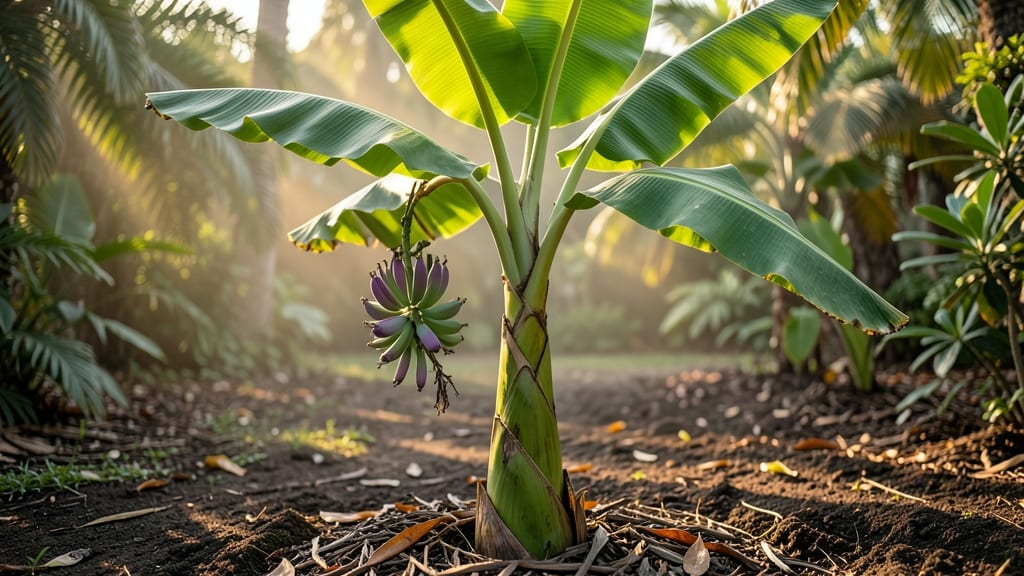
Banana trees require a tropical climate with temperatures consistently between 75°F and 85°F, high humidity levels (60-90%), and abundant rainfall (100+ inches annually). They demand full sunlight exposure and cannot tolerate frost or temperatures below 50°F, thriving best in USDA zones 10–12 for outdoor cultivation.
Banana trees are tropical powerhouses that need consistent warmth to survive. 🌴 The ideal 75°F–85°F range keeps their metabolic processes running smoothly, while humidity prevents leaf dehydration—a common issue in dry climates. Even a few degrees below 50°F can trigger cold damage, causing blackened leaves or even death.
In colder regions, growers often use containers to move plants indoors during winter, mimicking their natural tropical environment.
Sunlight is another critical factor—banana trees need at least 6–8 hours of direct sun daily to produce fruit. Without enough light, they’ll grow tall and leggy but won’t bear fruit.
If you’re outside the tropical belt, consider using grow lights or placing your banana tree near a south-facing window to compensate. Proper drainage is also key, as soggy roots can lead to rot in these moisture-loving plants.
💡 In This Article
- Banana Tree Climate Requirements: Temperature, Humidity, and Sunlight Needs
- Indoor vs. Outdoor Banana Tree Growing: Climate Adaptation Strategies
Banana tree climate requirements: temperature, humidity, and sunlight needs
Banana trees are tropical plants with delicate cellular structures that function optimally within a narrow temperature range. When exposed to temperatures below 50°F, their cells begin to rupture due to ice crystal formation, leading to irreversible damage.
The ideal 75°F–85°F range maintains their metabolic processes, including photosynthesis and nutrient transport, ensuring healthy growth. In contrast, temperatures above 90°F can cause heat stress, reducing fruit quality and increasing susceptibility to pests like banana aphids.
The high humidity requirement (60-90%) isn't just about moisture—it's about preventing leaf transpiration, which can scorch delicate foliage. Banana trees native to regions with 100+ inches of annual rainfall have evolved thick, waxy leaf surfaces that retain moisture, but these adaptations fail in dry climates.
For example, in Hawaii's tropical climate, banana trees naturally receive consistent rainfall, while in drier subtropical zones like southern Florida, growers must supplement with misting systems or mulch to maintain soil moisture.
Sunlight plays a dual role: it powers photosynthesis but also triggers flowering. Banana trees need 6–8 hours of direct sunlight daily to produce fruit, but too much intense sunlight (like in desert climates) can cause sunburn on leaves.
The key is balanced exposure—think of it like a tropical sunbathing session, where the plant gets plenty of light without overheating. In cooler climates, this means positioning trees in full sun during summer months while providing afternoon shade in peak heat.
Cold tolerance varies by variety, but most commercial banana trees (like Cavendish) can't survive frost. Even a light freeze (32°F) will kill the plant, while temperatures near 50°F slow growth dramatically.
This is why tropical banana trees struggle in USDA zones below 10—subtropical varieties like the hardy 'Red Dacca' can tolerate slightly cooler temps (45°F), but they still won't thrive in frost-prone areas without protection.
What most people miss is how soil temperature affects root health. Banana trees prefer soil temps between 70°F–80°F—colder soils slow nutrient uptake, while hotter soils can bake roots. In container growing, this means using insulated pots and avoiding black plastic that absorbs too much heat.
The root zone acts like the plant's thermostat, so maintaining proper soil moisture (but never waterlogging) helps regulate temperature at the roots.
Here's a quick comparison of tropical vs. subtropical adaptations:
- Leaf structure: Tropical varieties have thinner leaves that maximize sunlight capture, while subtropical types develop thicker, waxier leaves to conserve moisture.
- Growth rate: Tropical bananas grow 20–30% faster in ideal conditions than subtropical varieties, which prioritize cold resistance over speed.
- Fruit production: Tropical climates yield 3–5 bunches per year, while subtropical zones often produce 1–2 bunches due to seasonal slowdowns.
The science behind these needs reveals why banana trees are such finicky plants—they've evolved for one climate and struggle anywhere else without careful adaptation. 🌞