
Pruning
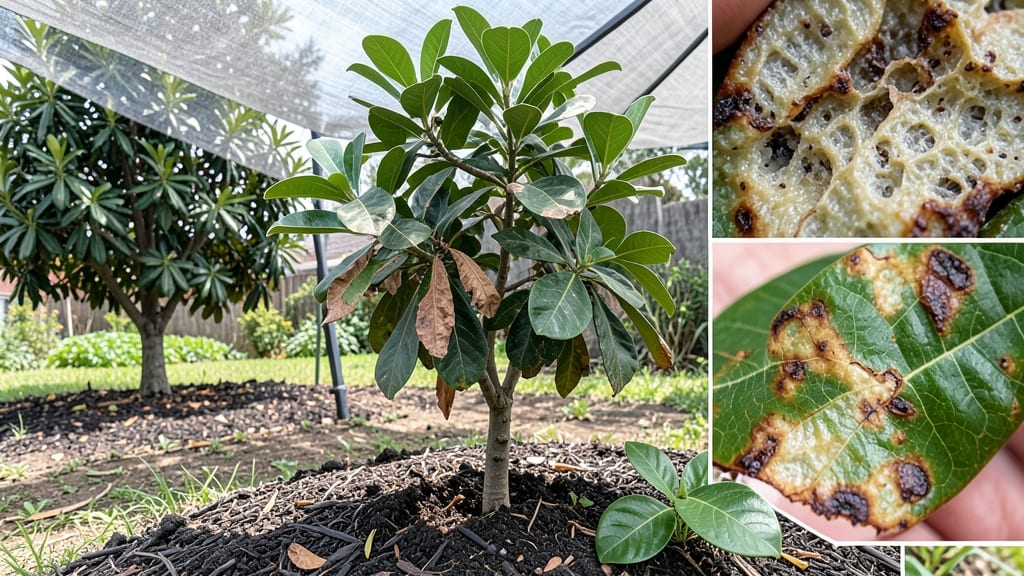
Your avocado tree’s sunburn isn’t just cosmetic—it’s a cry for help. 🌿 Those leathery, brown patches mean your plant’s struggling to adapt to too much direct sun, and if ignored, it can stunt growth or even kill branches. The good news?
This is one of the easiest problems to fix once you know the right moves. Most gardeners make two big mistakes: moving plants too fast into full sun or skipping the gradual hardening process.
Avocados thrive in partial shade (think morning sun, afternoon shelter), but when they’re suddenly blasted with intense afternoon rays, the leaves cook from the inside out. Even mature trees can get sunburned if their canopy shifts after pruning.
You’ll see immediate improvement within 2-3 weeks if you adjust shade, prune strategically, and mulch to protect roots. The key is consistency—no more guessing games with your tree’s comfort zone. I’ve nursed back several scorched avocados using these exact steps, and they’re now thriving with glossy, healthy foliage.
This fix works for container-grown trees, young saplings, and even established outdoor plants. Let’s get your avocado back to its vibrant self before the damage sets in permanently.
The Science Behind Leaf Scorching
Avocado trees are tropical gems, but their delicate leaves are surprisingly vulnerable to sunburn—a condition that turns vibrant green foliage into unsightly brown patches. Understanding why this happens is the first step to protecting your tree. Here’s a breakdown of the key culprits and the science behind them:
Avocado trees thrive in partial shade, especially when young. Their leaves contain chlorophyll, which converts sunlight into energy—but too much UV radiation can overwhelm this process.
When sunlight hits the leaves at intense midday angles (typically 10 AM–4 PM), the excess energy triggers a photochemical reaction that damages cell membranes.
This causes: - Cell dehydration (water evaporates faster than roots can replace it). - Oxidative stress, where free radicals accumulate and destroy leaf pigments. - Necrosis (dead tissue turns brown or crispy, like overcooked avocado skin).
Pro Tip: 🌿 Mature avocado trees (5+ years old) can handle more sun, but sudden exposure—like after pruning—can still cause scorching.
Sunburn isn’t just about sunlight—water deficiency makes leaves far more susceptible.
When roots struggle to supply moisture: - Stomata (leaf pores) close to conserve water, but this traps heat inside the leaf. - Photosynthesis slows, leaving cells vulnerable to UV rays. - Turgor pressure drops, causing leaves to wilt and become thin-skinned, making them prone to burning.
Key Sign: Check the soil—if it’s dry 1–2 inches deep, your tree is at high risk.
Avocado trees hate abrupt changes. Common triggers include:
- Moving a potted tree from shade to full sun without acclimation.
- Pruning too aggressively, exposing inner branches to harsh light.
- Hot, dry winds (like Santa Ana winds in California), which increase evaporative stress.
Science Note: Leaves adapted to shade lack the epicuticular wax layer (a protective film) found on sun-acclimated leaves, making them 30% more prone to sunburn.
Even with adequate water, nutrient deficiencies or compacted soil limit the tree’s ability to cool itself:
- Lack of potassium weakens cell walls, making leaves brittle.
- Clay or rocky soil restricts root growth, reducing water uptake.
- Salt buildup (from tap water or poor drainage) stresses roots, further reducing resilience.
Test It: Dig 6 inches deep—if roots look stunted or gnarled, your tree’s hydration system is compromised.
Ever noticed how white walls, concrete, or even light-colored mulch make your tree look like it’s wilting faster?
That’s because: - Albedo effect: Light surfaces reflect up to 90% of sunlight, bouncing extra heat onto leaves. - Heat islands: Urban or paved areas can be 10–15°F hotter than surrounding areas, intensifying sunburn.
Fix: Plant near darker mulch, shade cloth, or taller trees to diffuse light.
New growth is more sensitive because:
- Chlorophyll production is still ramping up, leaving cells underprotected.
- Thinner cuticles (the leaf’s outer skin) offer less UV shielding.
- Higher water content makes them prone to rapid dehydration.
Growth Hack: 🌱 Pinch off the newest leaves if you’re transitioning a tree to sunnier conditions—it forces the tree to harden existing foliage first.
Remember: Sunburn isn’t just cosmetic—it weakens the tree’s immune system, making it susceptible to pests and disease. The good news? Prevention is simple (we’ll cover that next!). For now, monitor your tree’s light exposure like a sun-smart gardener.
Fixing Sunburned Avocado Leaves
Now that you understand why your avocado tree is getting sunburned, let’s turn things around with practical fixes. The good news? Most solutions are simple, cost-effective, and can be done in just a few steps.
Below, we’ll match common causes to the best fixes—plus prevention tips to keep your tree thriving.
If your avocado tree is suddenly exposed to harsh afternoon sun (especially after being shaded or moved), it’s time to provide shade strategically.
🔥 Quick Fix: Use Temporary or Permanent Shade
- For young trees or newly planted avocados: Set up shade cloth (30-50% coverage) on the south or west side (in the Northern Hemisphere) or north or east side (Southern Hemisphere).
This blocks the most intense rays while still allowing light for growth. - Pro tip: 💡 Use white or silver shade cloth—it reflects heat better than black or green. - For established trees: Prune nearby structures (like fences or walls) that amplify heat near the trunk.
Even a 6-foot gap can reduce scorch. - DIY hack: 🌡️ Hang lightweight fabric strips (like old bedsheets) loosely between stakes to create a breezy, cooling barrier.
⏰ Long-Term Solution: Gradual Sun Acclimation
If you recently moved your tree, don’t rush it into full sun. Instead: 1. Start with 2-3 hours of morning sun per day.
- Increase exposure by 1 hour every 3-5 days until it’s fully adapted (usually 4-6 weeks).
- Monitor leaves—if they yellow or crisp, slow down the transition.
Avocado trees hate drought stress, which makes them more susceptible to sunburn. If the soil is dry or you’re watering inconsistently, follow these steps:
💧 Immediate Relief: Deep Watering Technique
- Water deeply 2-3 times per week (instead of light daily sprinkles) to encourage deep root growth.
- Test soil moisture: Stick your finger 2-3 inches down—if it’s dry, water until moisture reaches 6-8 inches deep.
- Mulch like a pro: 🌱 Apply 3-4 inches of organic mulch (straw, wood chips, or compost) around the base (but keep it 6 inches away from the trunk to prevent rot).
🌧️ Prevent Future Scorch: Adjust Your Watering Schedule
- Morning watering is best (before 10 AM) to let leaves dry before evening heat.
- Avoid wetting leaves at night—this can lead to fungal issues.
- Use drip irrigation if possible—it delivers water directly to roots without waste.
Too much fertilizer (especially nitrogen-heavy or synthetic blends) can burn roots, making the tree vulnerable to sun damage.
🧼 Emergency Fix: Soil Detox
- Flush the soil with 2-3 gallons of water per square foot of root zone.
- Add organic matter like compost or worm castings to improve drainage and microbial health.
- Switch to balanced fertilizer (look for 6-6-6 or 3-1-2 NPK ratio—avocados prefer low nitrogen).
🌱 Long-Term Care: Feed the Right Way
- Best fertilizers for avocados:
- Citrus or avocado-specific blends (low in nitrogen).
- Fish emulsion or seaweed kelp (for micronutrients).
- Avoid: Urea, synthetic lawn fertilizers, or anything with high phosphorus (can harm roots).
- Pro tip: ✨ Test your soil every 2 years—many nurseries offer affordable kits!
If your tree was recently transplanted or has exposed roots, it’s struggling to absorb water and nutrients—making sunburn worse.
🌿 First Aid for Shocked Trees
- Trim any crispy, brown leaves (but never cut more than 1/3 of the canopy at once).
- Apply a root stimulator (like mycorrhizal fungi or seaweed extract) to help roots recover.
- Stake young trees if they’re leaning—wind + sun = double damage.
🔄 Prevention for Future Moves
- Best transplanting time: Early spring or late fall (avoid summer heat).
- Dig a wide hole (twice as wide as the root ball) to reduce stress.
- Water thoroughly before and after moving to keep roots hydrated.
If your avocado tree is already heavily damaged, don’t panic—it can recover with patience!
- Prune damaged leaves (use sterilized shears) to redirect energy to healthy growth.
- Spray with neem oil (1 tsp per quart of water) to protect against secondary pests/fungus.
- Move potted trees to shade immediately if leaves are crispy or white.
Remember: Avocado trees are tropical—they thrive in filtered sun and consistent moisture. With these fixes, you’ll see new, lush growth in 4-6 weeks! 🌱💚
Frequently asked questions
Can sunburned avocado leaves recover?
Yes! The damaged areas won't regrow, but your tree can produce fresh, healthy leaves within 4-6 weeks if you address the root cause. Focus on shade adjustment and consistent watering—new growth will emerge from the inner branches. For severe cases, prune only the crispy leaves to redirect energy to recovery.
How do I know if my avocado tree has sunburn vs. disease?
Sunburn shows as dry, brown patches on leaves exposed to direct sun, often on one side of the tree. Disease spots usually appear wet or oily and spread randomly. Check for other symptoms: sunburn leaves stay attached while disease often causes yellowing or leaf drop. When in doubt, isolate the tree and consult a local nursery.
Will shade cloth work for an established outdoor avocado tree?
For mature trees, use 30% shade cloth on the west side (Northern Hemisphere) or east side (Southern Hemisphere) to block afternoon sun. Secure it 3-4 feet above the canopy to allow airflow. You can also plant fast-growing shade trees like leucadendron on the sunniest side for permanent protection.
My potted avocado tree keeps getting sunburn—what am I doing wrong?
Most likely, you're moving it too quickly between light conditions. Start by placing it in bright indirect light for 1 week, then gradually increase sun exposure by 1 hour every 3 days. Avoid placing pots on reflective surfaces (like concrete) that amplify heat. Also check the soil—potted trees dry out faster and need daily watering in hot weather.
Can I prune sunburned leaves myself, or should I hire a professional?
You can safely prune minor sunburn damage yourself using sterilized shears. Cut just above the damaged area and avoid removing more than 20% of the canopy at once. For large trees or severe cases, consult an arborist—they can assess structural health and recommend proper pruning techniques to prevent future stress.