
Blooming
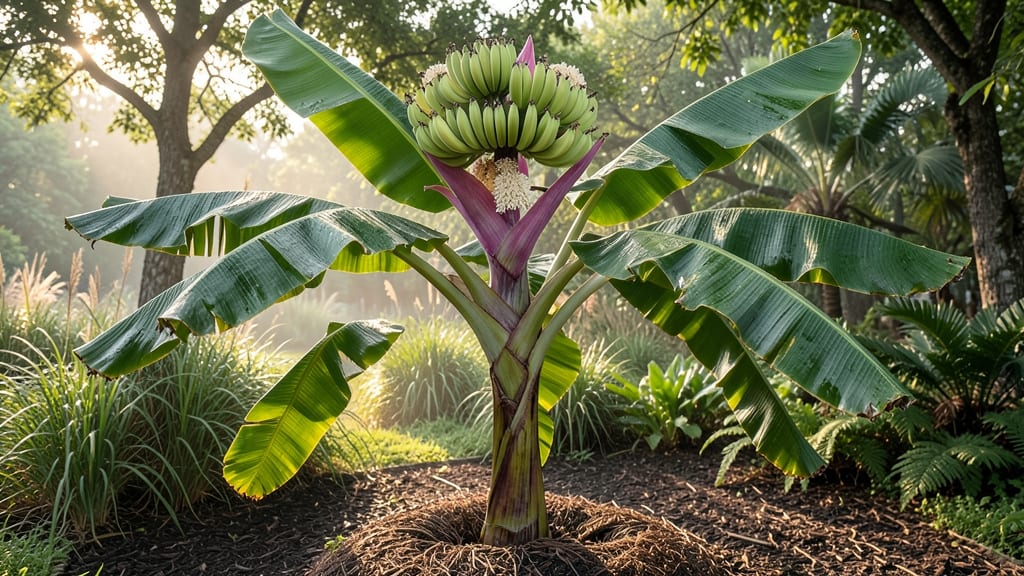
Fruiting a banana tree takes 9 months to 3 years, depending on the variety and care you provide—so if you’re waiting for those sweet clusters to appear, here’s what you need to know to speed up the process.
Picture this: You’ve planted your 🍌 banana tree, watered it religiously, and given it all the sunlight it craves, yet the fruit still hasn’t shown up. The good news?
Some dwarf varieties can produce bananas in as little as 9–12 months, while larger types may take 2–3 years—but the right conditions make all the difference.
Climate plays a huge role: In General (Tropical/Subtropical Regions), where the USDA zones are 10–12, bananas thrive year-round, but even indoor growers in colder zones can see fruit in 1–2 years with proper care.
The key? Balanced fertilizer, consistent moisture, and full sun exposure—skimp on any of these, and you’ll delay that fruiting timeline.
Below, I’ll break down the exact timeline by variety, the signs your banana tree is ready to fruit, and the game-changer care tips that can shave months (or even years) off your wait time.
Banana tree fruiting timeline by variety: fastest to slowest maturing types
If you’ve ever wondered why your banana tree seems to take forever to produce fruit, the answer lies in the variety you’re growing. Some types bear fruit in as little as 9 months, while others can take 3 years or more.
The key difference? Genetics, size, and growing conditions. Let’s break down the exact fruiting timelines for popular varieties so you know what to expect—and how to encourage faster results.
The fastest-fruiting banana varieties are often dwarf or dessert types, designed for home gardens where space and time are limited. These varieties prioritize quick reproduction over massive size, making them ideal for containers or small yards.
Meanwhile, taller, tropical varieties focus on growth first, delaying fruiting until they’ve reached maturity. Understanding these differences helps you choose the right type for your goals.
Below is a detailed fruiting timeline comparison for the most common banana varieties, including their ideal growing conditions. Whether you’re growing in USDA Zone 10 or a container indoors, this guide will help you set realistic expectations and troubleshoot delays.
| Variety | Fruiting Time | Mature Height | Best For | Notes |
|---|---|---|---|---|
| Dwarf Cavendish | 9–12 months | 6–10 ft | Containers, small yards | Most common; high yield |
| Lady Finger (Dwarf Red) | 10–14 months | 6–8 ft | Ornamental, small spaces | Sweet, red-skinned bananas |
| Ice Cream Banana | 12–18 months | 8–12 ft | Tropical climates, large pots | Creamy, custard-like texture |
| Red Dacca | 18–24 months | 12–15 ft | Warm climates, landscapes | Disease-resistant, large fruit |
| Grand Nain | 2–3 years | 15–20 ft | Tropical regions, large gardens | Classic dessert banana |
| Blue Java | 2.5–3.5 years | 18–25 ft | Tropical climates, commercial | Thick, blue-green pseudostem |
The Dwarf Cavendish is the fastest to fruit, often producing bananas within 9–12 months of planting, making it perfect for impatient gardeners. Its compact size also means it thrives in containers, even in cooler microclimates if brought indoors during winter.
If you’re growing in USDA Zone 10 or warmer, this variety can fruit year-round with consistent care.
For those in subtropical zones (9–10), the Lady Finger variety is an excellent choice. Its 10–14 month fruiting time balances speed with hardiness, and its striking red fruit adds visual appeal.
However, it requires protection from frost, so container growing is ideal in marginal climates. The key to faster fruiting? Full sun and regular feeding with a potassium-rich fertilizer.
If you’re aiming for unique flavors, the Ice Cream Banana delivers with its creamy texture—but patience is needed, as it takes 12–18 months to fruit. This variety loves humidity and warmth, so it’s best suited for greenhouse or indoor growing in cooler areas.
Its slower timeline is offset by its low-maintenance nature once established.
For gardeners with space
Climate and care factors that speed up or delay banana tree fruiting
Banana trees thrive in tropical or subtropical climates, where warm temperatures and consistent moisture accelerate fruiting. In USDA zones 10-12, they can produce fruit within 9-12 months of planting, while colder climates may delay fruiting by 1-2 years or require container growth.
The key factors—sunlight, temperature, water, and nutrients—work together to determine whether your banana tree will bear fruit quickly or struggle to mature.
For optimal growth, banana trees need 6+ hours of direct sunlight daily. In subtropical zones (9-10), they may fruit slower but still produce if protected from frost. Meanwhile, potted banana trees indoors often take longer—sometimes 2-3 years—because they lack natural sunlight and airflow.
Even with the right conditions, nutrient deficiencies or improper watering can stall fruiting entirely.
⚠️ Common Mistakes That Stall Banana Tree Fruiting
- Overwatering: Soggy soil causes root rot, preventing the tree from absorbing nutrients needed for flowering.
- Nutrient imbalances: Too much nitrogen promotes leafy growth but delays fruit production; potassium-rich fertilizers are critical.
- Temperature drops: Below 50°F (10°C) shocks the tree, halting growth and fruiting until warm weather returns.
- Insufficient sunlight: Partial shade slows photosynthesis, reducing energy for fruit development.
Fix these issues by adjusting watering schedules, using balanced 6-6-6 fertilizer, and moving plants to sunnier spots.
Temperature plays a critical role in fruiting speed. Banana trees flower best in 75-85°F (24-29°C) ranges. In cooler climates (zones 8-9), growth slows dramatically, and fruiting may not occur until the tree is 3+ years old.
If you live in a frost-prone area, grow your banana tree in a large container and move it indoors during winter to protect it from cold damage.
Watering schedules directly impact fruiting. Banana trees need consistent moisture but hate waterlogged soil. In summer months, water deeply every 2-3 days for ground-planted trees or daily for potted ones.
During winter dormancy in subtropical zones, reduce watering to once a week to prevent root issues. Always water at the base of the plant to avoid fungal diseases on leaves.
Soil pH and fertility are often overlooked but essential for fruiting. Banana trees prefer slightly acidic to neutral soil (pH 5.5-7.0). Test your soil and amend with compost or aged manure to improve drainage and nutrient availability.
A potassium-rich fertilizer (8-3-9 NPK) applied every 4-6 weeks during the growing season encourages flower production and fruit development.
To speed up fruiting, combine these factors: place your banana tree in the sunniest spot, maintain consistent warmth, water deeply but not excessively, and fertilize with potassium-rich nutrients.
With the right care, even dwarf varieties can fruit in as little as 9 months, while larger types may take 2-3 years. Patience and attention to detail make all the difference! 🌱