
Pruning
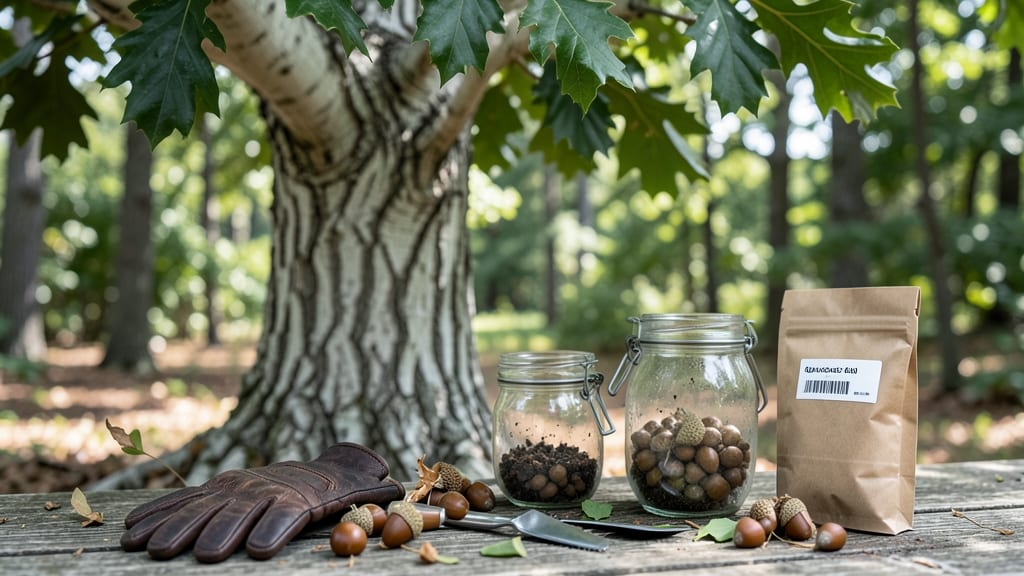
Growing an oak tree from acorn seeds feels like planting a future—one that’ll take decades to reach its majesty. 🌱 I’ve watched acorns I collected last fall grow into sturdy saplings, and the process is simpler than you’d think, even for beginners.
The key is patience and knowing exactly when to plant, how deep to bury, and where to place them for the best start.
You’ll need fresh acorns (not dried or shriveled), a container with drainage, and a mix of potting soil and sand for aeration. Stratification—a cold treatment—mimics winter and tricks the seed into thinking it’s time to sprout.
Most acorns germinate best after 60-90 days in the fridge, but some species need less. Once they’re ready, plant them 1 inch deep in well-draining soil and keep them moist but not soggy.
By spring, you’ll see tiny leaves unfurling, and with consistent care—morning sun, gentle watering, and protection from pests—they’ll grow into saplings ready for transplanting. The first few years are slow, but that’s part of the magic: you’re nurturing a tree that could outlive you.
Whether you’re growing indoors as a houseplant or outdoors in a sunny spot, the same principles apply. Just be patient—oak trees are built for longevity, and so is the journey of watching them grow. Here’s how to make it happen without the guesswork.
📚 In This Guide
- What you need
- Instructions
- Tips and common mistakes
- Wrapping up and next steps
What you need
- ● Acorn seeds: Fresh, viable acorns (collect from healthy oak trees—avoid those with holes or mold). Aim for 5–10 seeds to increase success rates.
- ● Containers: Small pots or seed trays (3–4 inches deep) with drainage holes—1 per seed or shared trays for bulk planting.
- ○ Optional upgrade: Biodegradable peat pots for easier transplanting.
- ● Potting mix: A well-draining blend like 50% peat moss, 30% perlite, and 20% coarse sand (or a pre-mixed seed-starting mix). Avoid garden soil—it compacts too easily!
- ● Watering can or spray bottle: With a fine mist nozzle for gentle hydration.
- ● Plastic wrap or humidity dome: To maintain moisture during germination (e.g., a clear plastic bag or store-bought propagator lid).
- ● Label markers & tags: To track planting dates and seed varieties.
- ● Scissors or pruners: For trimming acorn caps (if needed) and snipping plastic wrap.
- ○ Heat mat (optional but helpful): A seedling heat mat (set to 70–75°F) to speed up germination in cooler climates.
- ● Location: A bright, indirect light spot (e.g., a sunny windowsill or under grow lights). Avoid direct midday sun, which can overheat seedlings.
- ● Temperature: Keep soil warm (65–75°F) during germination. Acorns sprout best in spring or fall when outdoor temps are mild.
- ● Humidity: Maintain 70–80% humidity until sprouts appear (plastic wrap helps!). Reduce humidity slightly once seedlings emerge.
- ● Patience: Acorns can take 4–12 weeks to germinate—stay consistent with care!
How to grow acorn tree saplings from seeds
Here’s the straightforward method I’ve used to grow sturdy oak saplings—no fancy tools or guesswork.
🌱 Step 1: Extract and Stratify the Seeds
Collect fresh acorns from the ground in fall or buy them from a reputable supplier. Remove any acorns with holes or cracks—they won’t germinate. Fill a small container with damp sand or a mix of sand and peat moss, then bury the acorns 2-3 inches deep. Place the container in a refrigerator for 60-90 days to mimic winter conditions. This cold treatment, called stratification, breaks the seed’s dormancy so it’ll germinate properly.
Check the acorns every 2 weeks to ensure the sand stays moist but not soggy. If you forget to stratify, you can skip this step and plant immediately, but germination rates will drop significantly. I’ve found that white oak acorns often need longer stratification than red oak varieties—watch for slight sprouting before moving them to warm conditions.
☀️ Step 2: Plant in Well-Draining Soil
After stratification, transfer the acorns to individual pots filled with a mix of 50% potting soil and 50% perlite or coarse sand. Plant each acorn 1 inch deep in its own pot to avoid overcrowding. Water gently until the soil is moist but not waterlogged. Place the pots in a warm, sunny spot where temperatures stay between 65-75°F—a bright windowsill or under grow lights works well.
Keep the soil consistently moist but never soggy. You’ll know it’s right when the top inch feels damp to the touch. Germination can take 4-12 weeks, depending on the oak species. If you see mold or fungus, reduce watering slightly and ensure pots have drainage holes. I’ve had the best luck with white oak seeds sprouting within 6-8 weeks when kept in these conditions.
🌿 Step 3: Transplant and Care for Saplings
Once the seedlings reach 4-6 inches tall and develop their first true leaves, they’re ready for their first transplant. Choose a location with full sun exposure and well-draining soil. Dig a hole twice as wide as the seedling’s root ball but only as deep as the container. Gently remove the seedling, loosen the roots if they’re circling, and place it in the hole.
Backfill with soil, tamp lightly, and water deeply to settle the roots. Mulch around the base with 2-3 inches of organic mulch to retain moisture and suppress weeds. Acorns are slow growers—don’t expect rapid growth. Water deeply once a week during dry spells, but avoid overwatering, which can rot the roots. In their first year, focus on keeping the soil consistently moist and protecting the young sapling from strong winds.
Tips & tricks for growing acorn tree saplings
A few simple strategies can make all the difference when nurturing acorns into sturdy saplings—especially when patience is key.
Stratification Timing: The 60-90 day cold treatment is non-negotiable for breaking dormancy, but here's the trick: white oak acorns often need the full 90 days while red oaks may germinate with just 60. If you're impatient, check for tiny root sprouts after 60 days—if none appear, extend the cold treatment by another 30 days. This mimics natural winter conditions perfectly, but rushing it can leave you with no sprouts at all.
Moisture Management: Consistency is everything when keeping the sand mix moist during stratification. I use a spray bottle to mist the container every 2 weeks, ensuring the top inch stays damp but never soggy. Too much water creates anaerobic conditions that prevent germination, while too little dries out the seed's moisture reserves. A good test: squeeze the sand gently—it should feel like a wrung-out sponge, not a dripping wet rag.
Seedling Transplant Ready: Those 4-6 inch saplings are fragile, so handle them with care during transplanting. I recommend loosening the roots gently if they're circling the pot—this prevents root shock when you plant them outdoors. Also, choose a cloudy day for transplanting if possible; bright sunlight stresses young plants. The first few weeks after transplanting are critical, so keep an eye out for wilting as a sign of overwatering.
Sunlight Strategy: While full sun is ideal, young saplings can scorch in intense afternoon sunlight. If you're growing them indoors near a sunny window, rotate the pots every few days to ensure even growth. Outdoor saplings benefit from partial shade during their first summer, especially if your climate gets extremely hot. Think of it as giving them a gradual introduction to their mature sun requirements.
Pro Tips for Acorn Tree Seeds
- A few simple strategies can make all the difference when nurturing acorns into sturdy saplings—especially when patience is key.
- Stratification Timing: The 60-90 day cold treatment is non-negotiable for breaking dormancy, but here's the trick: white oak acorns often need the full 90 days while red oaks may germinate with just 60.
- Moisture Management: Consistency is everything when keeping the sand mix moist during stratification.
Frequently asked questions
How long does it take for an acorn to sprout?
Acorns typically sprout in 4 to 12 weeks, depending on temperature and moisture. Cold stratification (chilling seeds for 2–3 months) speeds up germination. Keep soil consistently damp but not soggy—patience is key! If nothing happens after 16 weeks, the acorn may not be viable.
Can I grow an acorn from any oak tree?
Most acorns from oak trees (Quercus species) are viable, but white oaks (e.g., bur oak) germinate faster than red oaks (e.g., pin oak). Avoid acorns from black oak—they often contain tannins that inhibit growth. When in doubt, test a few!
What’s the best time of year to plant acorn seeds?
Plant acorns in fall (September–November) for natural stratification, or spring (March–April) if you’ve pre-chilled them. Avoid planting in summer heat—acorns dry out quickly. Pro tip: If planting in spring, soak acorns overnight to kickstart germination.
Why won’t my acorn sprout? Troubleshooting tips
- Dry acorn: Soak in water for 24 hours before planting.
- Rotten seed: Discard mushy or moldy acorns—they’re past saving.
- Poor soil: Use a mix of sandy loam and peat moss for drainage.
- No warmth: Acorns need 60–70°F soil temps to germinate.
Still stuck? Try planting multiple acorns—some may surprise you!
Can I grow acorns indoors first?
Yes! Start acorns in small pots with moist potting mix, keeping them in a warm, sunny spot (or under grow lights). Transplant seedlings outdoors after 4–6 weeks when roots fill the pot. Use a heat mat to mimic forest-floor warmth for faster growth.
Wrapping up and next steps
Growing acorn tree seeds into thriving saplings is a rewarding journey that connects you to nature’s cycle—and you’ve got all the tools to make it happen! 🌱 Whether you’re a gardening newbie or a green-thumb enthusiast, these three simple steps turn tiny seeds into towering trees with patience and care.
Now that you know how to harvest, prepare, and plant acorns, why not take the next step? Start your own mini-forest today! Grab those seeds, find a sunny spot, and watch your garden transform. Happy planting! 🌳✨