
Trees
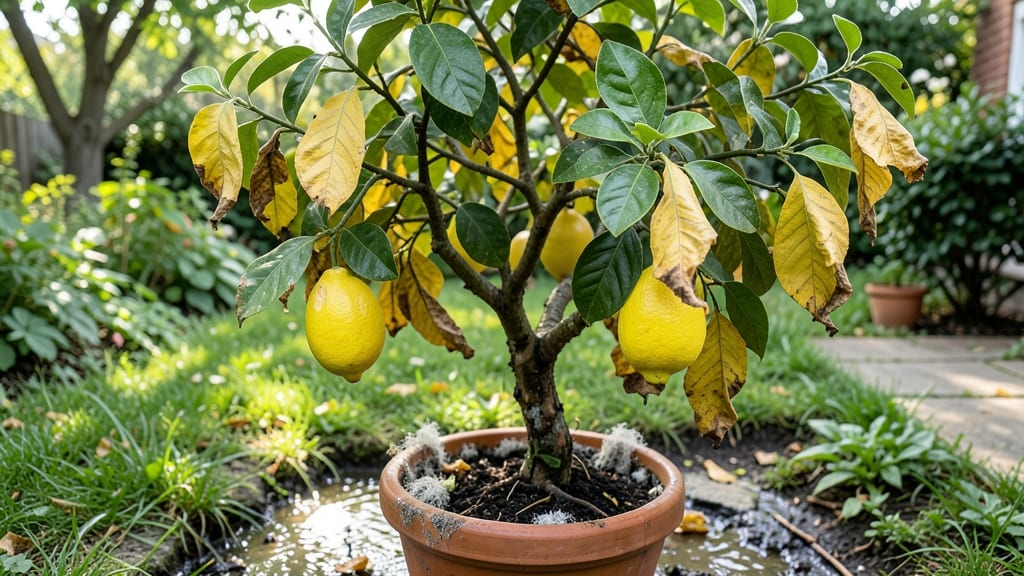
What does an overwatered lemon tree look like?
If your lemon tree’s yellowing leaves and drooping branches aren’t just wilting—they’re screaming for help. 🌿 Overwatering turns vibrant citrus into a sad, soggy mess, and the symptoms start with leaves that look like they’ve been bleached, followed by roots that rot faster than you can say "drainage."
The good news? You can fix it before it’s too late.
First, check the soil—it should smell fresh, not like a swamp. If your fingers come out covered in mud and the top 2 inches stay damp for days, that’s your problem.
Roots need air, not a permanent bath. Look for mushrooms sprouting at the base or leaves that curl like they’re begging for water (when they really need less).
Drainage is the game-changer: amend heavy soil with perlite or sand, and if your pot lacks holes, drill them now. Water only when the top inch feels dry, and never let saucers sit with standing water.
Within weeks, you’ll see new green growth pushing through, and those droopy branches will perk up like they’ve had a citrusy caffeine shot.
Prevention is easier than cleanup: stick your finger in the soil before watering, and if you’re still unsure, grab a moisture meter. Overwatering is reversible, but every day you wait makes the job harder. Your lemon tree’s comeback starts with cutting back on the H₂O.
Root Causes Of Overwatering
When your lemon tree starts showing signs of distress—like soggy soil, yellowing leaves, or wilting branches—it’s often a cry for help from its roots. Overwatering isn’t just about giving your tree too much H₂O; it’s a chain reaction triggered by poor drainage, improper care, or environmental factors.
Let’s break down the real culprits behind why your lemon tree might be drowning in its own pot.
Lemon trees, like most citrus varieties, hate soggy feet. If your tree’s container lacks proper drainage holes or the soil retains too much moisture (thanks to compacted or clay-heavy mixes), water pools at the roots instead of draining away. Here’s why this happens:
- Clogged or Missing Drainage Holes: Without escape routes, excess water sits in the pot, suffocating roots by cutting off oxygen (a process called anoxia). Roots need air to respire—just like you need oxygen to breathe!
- Heavy or Non-Porous Soil: Clay or loam soils hold water like a sponge, while sandy or well-amended soils allow excess moisture to seep away. If your mix lacks perlite, pumice, or compost, it’s a recipe for root rot.
- Root-Bound Containers: Over time, roots can grow into a dense web that blocks drainage. If your tree has outgrown its pot, repotting into a larger container with fresh, airy soil can save it.
💡 Pro Tip: Test your soil’s drainage by filling a pot with water and timing how long it takes to drain. If it takes more than 30 minutes, your mix is too dense. Add coarse sand or bark fines to improve airflow.
Even with great drainage, how you water can drown your lemon tree. Common mistakes include:
- Watering on a Schedule: Lemon trees thrive in consistently moist but not soggy soil. Sticking to a rigid schedule (e.g., every Tuesday) ignores real-time needs—like after a rainstorm or during high humidity. Always check soil moisture before watering!
- Top Watering Without Bottom Drainage: Pouring water from above can create a waterlogged layer at the top while the roots below stay dry. Bottom-watering (placing the pot in a tray of water) encourages even moisture distribution.
- Ignoring Seasonal Needs: In winter, lemon trees enter dormancy and need far less water (about 30–50% reduction). Overwatering during cooler months stresses the tree and invites fungal infections.
🌡️ Science Note: Lemon trees absorb water through osmosis, but their roots can only handle so much at once. Excess water forces air out of soil pores, creating an anaerobic (oxygen-free) zone where harmful bacteria thrive.
Your lemon tree isn’t just reacting to your watering—it’s also influenced by its surroundings. These factors can amplify overwatering risks:
| Factor | How It Causes Overwatering | Solution |
|---|---|---|
| 🌦️ High Humidity | Slow evaporation means soil stays damp longer, increasing rot risk. | Use a hygrometer to monitor humidity; aim for 40–60%. |
| ☀️ Low Light Conditions | Less photosynthesis = slower water absorption, leading to buildup. | Move to a sunnier spot (6+ hours of direct light daily). |
| 🏡 Indoor Heating/Vents | Dry air near heaters or AC can create a "false drought" signal, prompting overcompensation. | Use a humidifier or group plants together to stabilize moisture. |
✨ Key Insight: Lemon trees in containers dry out faster than in-ground trees, but they’re also more prone to overwatering because their root systems are confined. Always adjust for pot size!
Understanding these causes is the first step to fixing an overwatered lemon tree. Next, we’ll cover how to diagnose the damage and revive your tree—before it’s too late!
Revive Your Lemon Tree Now
Overwatering can feel like a slow-motion disaster for your lemon tree, but the good news is that with the right steps, you can nurse it back to health—sometimes even saving it before permanent damage sets in.
Below, we’ll break down the fixes based on the specific symptoms you’re seeing, along with prevention tips to keep your tree thriving long-term.
If your lemon tree’s leaves are turning yellow—especially between the veins—it’s likely suffering from root rot or nutrient leaching due to excess water.
Step 1: Adjust Your Watering Routine 💧
- Stop watering immediately until the top 2–3 inches of soil feel dry (stick your finger in to check).
- Water deeply but infrequently: Lemon trees prefer dry soil between waterings.
Aim for 1–2 times per week in summer (more in heatwaves) and every 2–3 weeks in winter. - Use the "drip test": If water runs out the drainage holes within minutes, you’re overwatering.
Step 2: Improve Soil Drainage 🏗️
- Repot if needed: If your tree is in a container, move it to a pot with drainage holes (or drill them yourself).
- Add perlite or sand to heavy clay soil to loosen it up.
- Raised beds or mounds can help if your tree is in-ground—elevate the root zone slightly.
Step 3: Flush the Soil 🚿
- Place the pot in a sink or shallow tray and run water through the soil until it drains clean. This removes excess salts and fungi.
💡 Prevention Tip:
- Mulch properly: Use 2–3 inches of organic mulch (like wood chips) around the base, but keep it 2–3 inches away from the trunk to prevent rot.
Drooping can mean root suffocation or fungal infections from soggy soil. Act fast—wilting limbs can die within days.
Step 1: Check for Root Rot 👨🔬
- Gently dig around the roots (wear gloves!). Healthy roots are white or light tan; rotten ones are black, mushy, or smell foul.
- If roots are mushy, trim the affected sections with sterilized pruners.
Step 2: Prune Damaged Foliage ✂️
- Cut back yellow, brown, or mushy leaves to redirect energy to healthy growth.
- Avoid pruning in wet conditions—wait until the soil is dry.
Step 3: Boost Airflow & Light 🌞
- Move the tree to a sunnier spot (lemon trees need 6–8 hours of sunlight daily).
- If indoors, open windows or use a fan to improve circulation.
💡 Prevention Tip:
- Water in the morning so excess moisture evaporates during the day.
- Avoid saucers under pots—empty them after watering to prevent pooling.
This is the most critical sign of overwatering and requires immediate action.
Step 1: Emergency Repotting
🪴 1. Remove the tree from its pot and rinse the roots gently with water to remove soil. 2. Trim all black/mushy roots with clean shears.
- Dust roots with cinnamon or fungicide (like copper-based spray) to prevent further rot.
- Repot in fresh, well-draining soil (a mix of potting soil + perlite + compost).
Step 2: Adjust Care Post-Repotting 🌿
- Hold off on watering for 3–5 days to let roots recover.
- Place the pot in bright, indirect light (avoid direct sun until new growth appears).
- Monitor soil moisture—only water when the top 1–2 inches are bone dry.
💡 Prevention Tip:
- Use a moisture meter ($10–$15) to avoid guesswork.
- Group plants with similar water needs—lemon trees hate "wet feet."
Once your lemon tree is on the mend, keep these habits to prevent relapse:
- Test your soil every 6 months (pH should be 6.0–7.5).
- Fertilize lightly in spring/summer with citrus-specific fertilizer (high in nitrogen, potassium, and micronutrients).
- Avoid compacted soil—amend with compost or coconut coir if your garden soil is dense.
- Watch for pests (like scale or spider mites), which thrive in stressed trees.
🎯 Pro Tip: If your tree is severely affected, don’t hesitate to propagate healthy cuttings as a backup—lemon trees root easily in water!
With these fixes, your lemon tree should bounce back within 4–8 weeks. Stay patient, and soon you’ll be harvesting juicy, homegrown lemons again! 🍋✨
Frequently asked questions
How can I tell if my lemon tree has root rot from overwatering?
Check the roots by gently removing the tree from its pot. Healthy roots are firm and white or light tan, while rotted roots are black, mushy, and often smell foul. If you see this, trim the affected roots immediately with sterilized shears and repot in fresh, well-draining soil.
Why do my lemon tree's leaves turn yellow but stay attached?
Yellow leaves that stay on the tree usually indicate nutrient leaching or root stress from overwatering. The excess water washes away essential nutrients like nitrogen and iron. To fix it, flush the soil with water to remove salts, then adjust your watering to only when the top 1–2 inches of soil are dry.
Can I save a lemon tree if the leaves are drooping and mushy?
Yes, but act fast! Drooping leaves signal root suffocation or fungal infection. Prune any mushy leaves, improve airflow, and move the tree to a sunnier spot. Water only when the soil is completely dry, and consider repotting with fresh, well-draining soil mixed with perlite.
How often should I water my lemon tree to avoid overwatering?
Lemon trees prefer dry soil between waterings. In summer, water 1–2 times per week (more in extreme heat), and in winter, reduce to every 2–3 weeks. Always check soil moisture—stick your finger in! If it feels damp 1 inch down, wait before watering again.
What should I do if my lemon tree's pot has no drainage holes?
Drill 2–4 drainage holes in the bottom of the pot immediately to prevent waterlogging. If repotting isn’t an option, place the pot in a shallow tray and water from the bottom by filling the tray with water for 10–15 minutes, then empty it. This mimics natural drainage while you plan an upgrade.