
Pruning
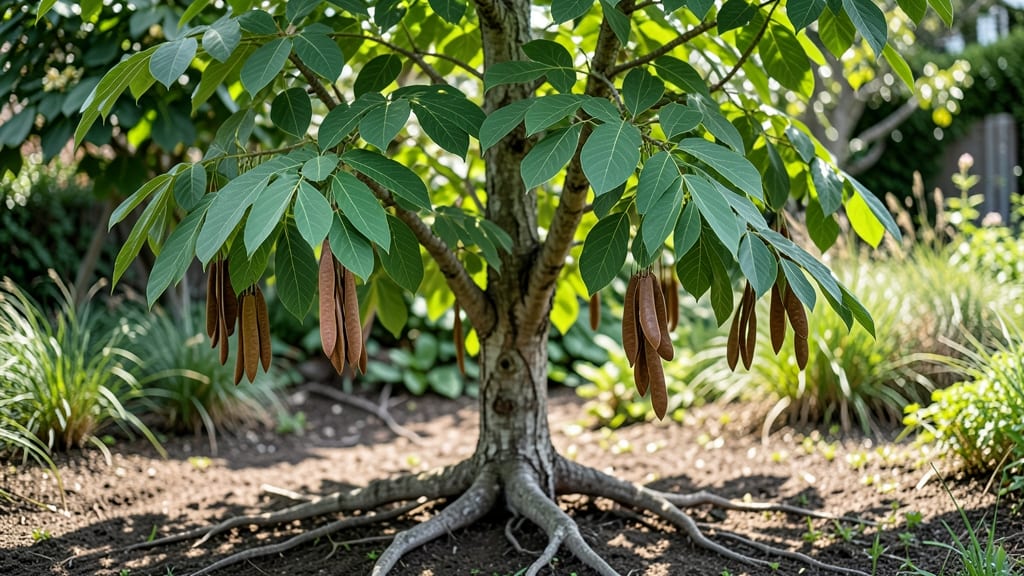
Tree of Heaven fruit is not edible and poses serious toxicity risks, containing compounds like ailanthone that can cause severe vomiting, diarrhea, and organ damage in humans and livestock. Avoid consumption entirely, as even small amounts may trigger adverse reactions.
This invasive tree's fruit contains potent toxins that can trigger severe health issues, including liver and kidney damage. 🌿 The compounds in Tree of Heaven fruit—like ailanthone—are particularly dangerous because they accumulate in the body, leading to long-term complications even after small exposures.
I always recommend keeping pets and children away from this tree, as accidental ingestion can happen quickly when the fruit clusters drop to the ground. The fruit's resemblance to edible berries makes proper identification crucial for safety.
If you suspect ingestion, seek medical attention immediately—symptoms can escalate rapidly. 🚑 Even wildlife avoids this tree, which should serve as a natural warning sign. For gardeners, removing Tree of Heaven is essential not just for safety but also to prevent its aggressive spread, which can overwhelm native plant species.
💡 In This Article
- Toxic Compounds in Tree of Heaven Fruit: Health Risks Explained
- Identifying and Removing Tree of Heaven: Prevention Tips for Gardeners
Toxic compounds in tree of Heaven fruit: health risks explained
The Tree of Heaven (Ailanthus altissima) produces fruit packed with ailanthone, a compound that acts like a cellular poison. This toxin disrupts mitochondrial function—the powerhouses of our cells—leading to energy failure in organs like the liver and kidneys.
Studies show ailanthone can cause hepatotoxicity (liver damage) at doses as low as 50 mg/kg body weight, meaning even a small handful of fruit could be dangerous for an adult.
Another key toxin, ailanthoidol, targets the nervous system, triggering symptoms like severe nausea, muscle tremors, and respiratory distress.
The fruit's bitter taste is nature's warning—unlike sweet berries, this tree's fruit has a sharp, acrid flavor that lingers long after ingestion. 🌿 Veterinary cases report livestock suffering from hemorrhaging and organ failure after consuming fallen fruit clusters, proving its toxicity extends beyond humans.
What makes these compounds so insidious is their bioaccumulation—they don't break down easily in the body. Repeated exposure, even through contaminated soil or water, can lead to chronic toxicity.
The fruit's hard, samara-like pods (resembling helicopter seeds) drop in late summer, creating a ground-level hazard where pets and children might mistake them for edible seeds.
Laboratory tests reveal that ailanthone binds to DNA, potentially causing mutations—a risk not seen with most plant toxins. The fruit's outer shell is deceptively harmless-looking, often greenish-brown with a waxy coating, but the inner pulp contains concentrated toxins.
Even drying the fruit doesn't neutralize the compounds, making it unsafe for any culinary use.
Comparing it to other toxic fruits helps put the risk in perspective. While black nightshade causes stomach upset but rarely fatal damage, Tree of Heaven fruit contains toxins 10x more potent than cyanide in some cases.
The tree's rapid growth (up to 3 feet per year) and aggressive root system spread make it a double threat—both as a health hazard and ecological invader.
For those with compromised liver function, the risks are exponentially higher. The tree's toxins inhibit cytochrome P450 enzymes, critical for detoxifying medications—meaning accidental ingestion could severely impair drug metabolism.
Always err on the side of caution: if the fruit resembles edible options (like mulberries), assume it's dangerous until confirmed otherwise.