
Trees
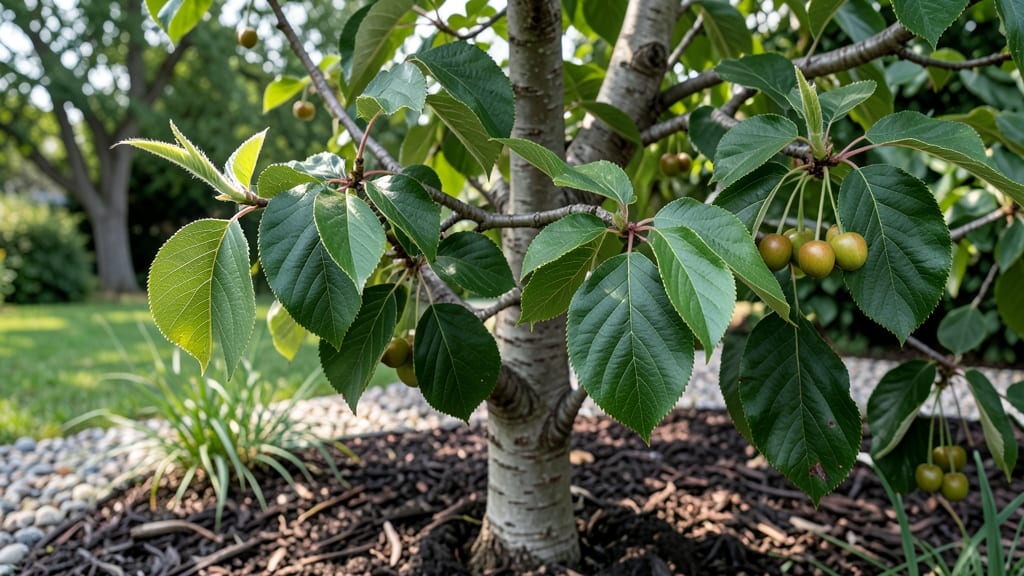
Those glossy sour cherry tree leaves aren't just pretty—they're a hidden edible treasure waiting to transform your kitchen. 🌿 I used to toss them without a second thought until I discovered their tart, almond-like flavor perfect for teas and seasonings.
But first, let's troubleshoot why your leaves might be struggling with yellowing, curling, or spots before harvesting.
Common culprits include fungal diseases like leaf spot, bacterial infections, or environmental stress from improper watering or pests. The good news? Most issues can be fixed with pruning diseased branches, applying copper-based fungicides, or adjusting watering habits.
Once your tree's healthy, those leaves become a versatile seasoning—dried, frozen, or fresh in salads and infusions.
📚 In This Guide
- What you need
- Instructions
- Tips and common mistakes
- Wrapping up and next steps
What you need
- ● Fresh or dried sour cherry tree leaves – Harvest ~1–2 cups (fresh) or ~½ cup (dried) for tea; ~¼ cup for seasoning blends.
- ● Water – 1–2 cups for steeping tea (filtered preferred).
- ● Fine-mesh strainer or cheesecloth – For straining leaves post-infusion.
- ● Glass jar or airtight container – 8–16 oz for storing dried leaves or infused oil.
- ○ Optional flavor boosters (pick 1–2): Honey or maple syrup (1 tbsp for tea sweetness).
- ● Lemon slices (½ for brightness).
- ● Cinnamon stick or vanilla bean (for warmth).
- ● Sharp pruners or scissors – For harvesting leaves (sterilize with rubbing alcohol).
- ● Baking sheet – For drying leaves (parchment-lined).
- ● Small saucepan – For simmering infused oils or teas.
- ○ Mortar & pestle (optional) – To crush dried leaves for seasoning blends.
- ○ Food processor (optional) – For grinding leaves into a fine powder.
- ● Identify your sour cherry tree correctly—avoid toxic look-alikes like wild black cherries (consult a field guide or local expert!).
- ● Harvest leaves in the morning after dew has dried for peak flavor.
- ● Ensure leaves are pest-free (no holes, mold, or discoloration).
Step-by-step guide to harvesting and preparing sour cherry tree leaves
Here's how I transform wild or garden-grown sour cherry leaves into vibrant tea and seasoning—no waste, just flavor.
🌿 Step 1: Identify and Harvest Leaves Correctly
Sour cherry (Prunus cerasus) leaves are edible but must be harvested at peak freshness. Look for young, tender leaves in early spring or after pruning—older leaves develop bitter tannins. Avoid leaves near fruit clusters, as they may contain higher levels of cyanogenic glycosides, which can be toxic in large quantities.
Use clean, sharp scissors to snip leaves just above a leaf node. Harvest on a dry morning after dew has evaporated to prevent mold. I gather 1 cup of leaves at a time, shaking off any insects or debris. Never harvest from trees treated with pesticides—organic sour cherries are your best bet.
💧 Step 2: Clean and Prepare for Use
Rinse leaves thoroughly under cool water to remove dirt or sap. Pat dry with a clean kitchen towel or paper towels. For tea, you can use leaves fresh or dried—both work well, but drying preserves flavor longer. If using fresh, store in an airtight container in the fridge for up to 5 days.
For drying, spread leaves in a single layer on a mesh screen or clean baking sheet. Place in a dark, well-ventilated area for 3-5 days or use a food dehydrator at 95°F for 2-3 hours. Store dried leaves in an airtight jar away from light for up to 6 months. Crushed dried leaves release aroma more intensely than fresh.
☀️ Step 3: Infuse Leaves for Tea or Seasoning
For tea, steep 1 teaspoon of fresh or ½ teaspoon dried leaves in 1 cup boiling water for 5-7 minutes. The water should turn a pale golden hue—if it’s too dark, reduce steeping time. Strain through a fine-mesh sieve or cheesecloth. Add honey or lemon to balance the tart, almond-like flavor. Drink within 24 hours for best freshness.
For seasoning, crush dried leaves finely and sprinkle over salads, soups, or roasted meats. Start with ¼ teaspoon per serving—the flavor is subtle but adds a bright, herbal note. Pair with herbs like thyme or rosemary to complement dishes. Avoid overusing; even small amounts can dominate delicate flavors.
⏰ Step 4: Store and Preserve for Future Use
Freshly prepared tea or seasoning keeps best when refrigerated. Store tea in a sealed glass jar for up to 5 days, while seasoning lasts 2 weeks in the fridge. For longer storage, freeze tea in ice cube trays—each cube makes a single serving. Label everything with the date to track freshness.
Dried leaves can be stored at room temperature for 6 months if kept in an airtight container. To revive dried leaves, place them in a bowl of warm water for 10 minutes before using. This restores texture and intensifies flavor. Avoid humidity, which can cause mold—moisture is the enemy of long-term storage.
Tips & tricks for perfect sour cherry leaf infusions
To get the most vibrant flavor from your sour cherry leaves, here are the key tricks I've learned from years of experimenting.
Harvesting Precision: The timing of your harvest makes all the difference. Young leaves from early spring or right after pruning contain the most delicate flavor and least bitterness. I've found that leaves from the middle of the tree—neither too high nor too low—tend to be the most tender. Avoid harvesting after rain, as wet leaves can develop mold during drying. If you're harvesting from a garden, focus on leaves from organic trees to ensure safety and purity.
Drying Technique: When drying leaves at 95°F, don't overcrowd your drying surface. A single layer allows proper airflow, which is crucial for even drying and preventing mold. I've ruined batches by stacking leaves too closely—they take 5-7 days to dry properly instead of the usual 3-5. For faster drying, consider using a food dehydrator, but monitor closely to avoid overheating, which can make leaves brittle and lose flavor.
Steeping Science: The 5-7 minute steeping range is your flavor sweet spot. If you're using fresh leaves, start at 5 minutes and taste—you should detect a bright, almond-like note without bitterness. For dried leaves, begin at 3 minutes since they're more concentrated. Oversteeping releases tannins that turn your tea bitter and cloudy. I always use a fine-mesh sieve to strain leaves completely—any remaining leaf particles can make your tea taste grassy.
Storage Secrets: For long-term storage of dried leaves, I've found that adding a small silica gel packet to your airtight container absorbs any residual moisture that could cause mold. When reviving dried leaves with warm water, don't exceed the 10-minute soak—longer soaking can make them mushy. Label your containers with the harvest date, as leaves lose potency over time, especially after 6 months of storage.
Pro Tips for Sour Cherry Tree Leaves
- To get the most vibrant flavor from your sour cherry leaves, here are the key tricks I've learned from years of experimenting.
- Harvesting Precision: The timing of your harvest makes all the difference.
- Drying Technique: When drying leaves at 95°F, don't overcrowd your drying surface.
Frequently asked questions
Got questions about using sour cherry tree leaves? You’re not alone! Here are some of the most common queries—and their answers—to help you get the most out of this versatile herb.
Can you eat sour cherry tree leaves raw?
While technically edible, sour cherry tree leaves are best used in cooked dishes or infused into tea. Raw, they can be bitter and slightly astringent. Lightly sautéing or steeping them mellows their flavor and makes them safer for digestion. Always start with small amounts to test tolerance!
When is the best time to harvest the leaves?
The ideal time to harvest is early spring to late summer, just before the tree flowers or after the cherries ripen. Avoid harvesting after heavy pesticide use. Morning harvests yield the most potent oils. Pro tip: Pick leaves from the middle to upper branches for the best flavor!
How do you properly dry sour cherry tree leaves for tea?
Drying preserves flavor and extends shelf life. Steps:
- Rinse leaves gently with cool water and pat dry.
- Spread in a single layer on a mesh screen or paper towels in a well-ventilated area (avoid direct sunlight).
- Dry for 3–5 days or use a dehydrator at 95°F (35°C) for 4–6 hours.
- Store in an airtight container away from light for up to 6 months.
For tea, steep 1–2 tsp dried leaves per cup in hot (not boiling) water for 5–10 minutes.
What are some creative ways to use the leaves beyond tea?
Sour cherry tree leaves pack a tart, herbal punch—perfect for:
- Seasoning: Add to soups, stews, or marinades for depth (like a milder savory cherry note).
- Salads: Finely chop fresh leaves for a peppery garnish (pair with goat cheese or nuts).
- Baking: Infuse into syrups, jams, or even cherry-flavored desserts (use sparingly!).
- Cocktails: Muddle fresh leaves into gin-based drinks or muddlers for a herbal twist.
Warning: Always cook or steep leaves thoroughly to avoid bitterness.
Are sour cherry tree leaves safe for pets?
While not toxic, sour cherry tree leaves can be harmful to pets (especially dogs and cats) in large quantities. The pits (seeds) contain cyanide, and leaves may cause stomach upset. Keep them out of reach and consult a vet if ingestion occurs. Stick to pet-safe herbs like catnip or parsley instead!
What can I do if my leaves turn yellow or wilt after harvesting?
Yellowing or wilting often signals oxidation or stress. To fix it:
- Rehydrate: Soak leaves in cool water for 10–15 minutes, then pat dry.
- Revive: Place in a sealed bag with a damp paper towel for 1–2 hours.
- Store properly: Keep in the fridge (wrapped in a damp towel) for up to 5 days.
If leaves are moldy or slimy, discard them—they’re no longer safe to use.
Wrapping up and next steps
Sour cherry tree leaves are a hidden gem—packed with flavor, nutrition, and versatility!
Whether you’re steeping them into a fragrant tea or sprinkling them on dishes for a tangy twist, these leaves offer a simple way to elevate your culinary and wellness routines. Now’s the perfect time to experiment! Start small: harvest a few leaves, try a fresh infusion, and let your taste buds guide you.
Who knows? You might just discover your new favorite herb. 🌿✨
Next steps:
- Grow your own sour cherry tree for a year-round supply.
- Share your creations with friends—tag us in your tea or recipe pics!
- Explore other edible leafy greens to expand your herb collection.