
Pruning
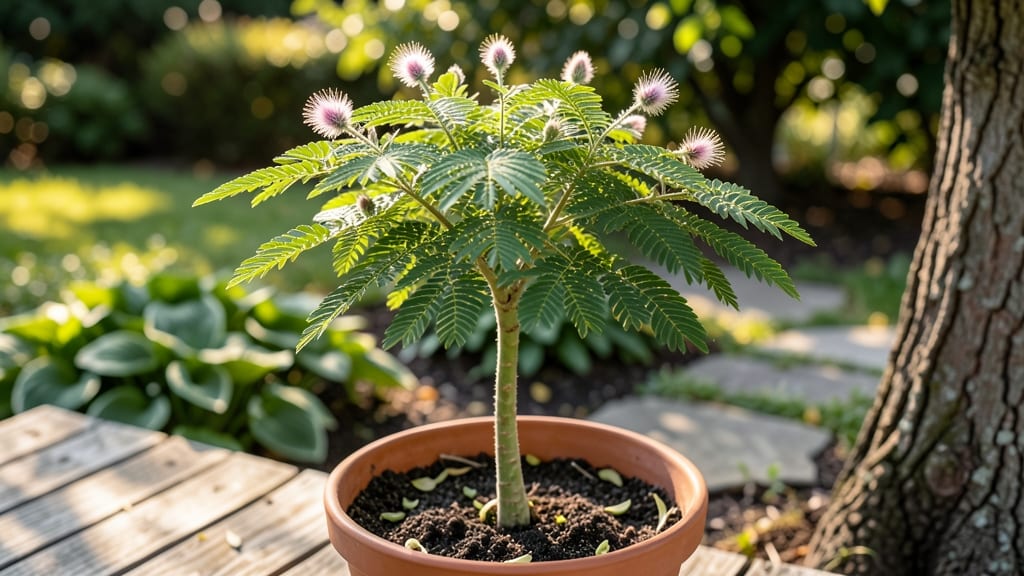
Your silk tree seedling could outpace any fast-growing hedge in just two seasons—if you prune it right. 🌿 I learned the hard way that skipping early pruning turns these beauties into scraggly messes instead of the lush, year-round privacy screens they’re meant to be.
The secret isn’t just cutting branches—it’s shaping the plant’s energy from day one so it grows thick, dense, and faster than you’d expect. Start with clean cuts at the right spots: just above outward-facing buds, about ¼-inch above where you want new growth.
Skip the shears for now—use sharp pruning shears or bypass loppers to avoid tearing the bark. The first year is about training the structure, not trimming for looks. By late spring, you’ll see those feathery pink blooms and a framework that’ll fill in like magic by summer.
What you’ll end up with is a 10-foot-tall privacy wall by year two—no waiting for slow growers. The foliage stays lush even in drought, and those silky blooms turn into seed pods that birds adore.
Just don’t let it grow wild: prune back by ⅓ every late winter to keep it compact and disease-free. Works in USDA zones 6-9, thrives in full sun to partial shade, and handles poor soil better than most trees. Here’s how to get started without the guesswork.
📚 In This Guide
- What you need
- Instructions
- Tips and common mistakes
- Wrapping up and next steps
What you need
- ● Silk tree seedling (Ceiba pentandra or Ceiba aesculifolia): 1 healthy, 1–3 ft tall sapling (verify with a local nursery or online supplier).
- ● Well-draining potting mix: 5–10 gallons (for container growth) or native soil amended with compost (for in-ground planting). Pro tip: Silk trees thrive in slightly acidic to neutral soil (pH 6.0–7.5).
- ● Pruning tools: Bypass pruners (for small branches, ¼"–¾" diameter)
- ● Loppers (for thicker branches, ¾"–2" diameter)
- ● Hand saw (for stubborn or large branches, 2"+ diameter)
- ● Gloves: 1 pair of heavy-duty work gloves (to protect from thorns and sap).
- ○ Pruning sealant (optional but recommended): 1 small bottle (e.g., Tanglefoot Tree Wound Pruning Seal) to prevent disease entry.
- ● Measuring tape or ruler: For precise pruning cuts (aim for clean, ¼" above a bud or branch collar).
- ● Ladder or step stool: If your silk tree is over 6 ft tall (safety first!).
- ● Disinfectant (70% isopropyl alcohol or bleach solution): To sterilize tools between cuts and avoid spreading pathogens.
- ● Mulch (wood chips or straw): 2–3 inches around the base (retains moisture and regulates temperature).
- ● Watering can or hose with nozzle: For deep watering (1–1.5 gallons per week during dry spells).
- ● Sunlight access: Full sun (6+ hours daily) for optimal growth.
- ● Spacious planting area: Silk trees grow 50–70 ft tall and 30–50 ft wide—ensure you have room!
- ● Patience (and a plan!): Fast-growing but requires strategic pruning to maintain shape and density.
How to prune silk tree seedlings for rapid, dense growth
Fast-growing privacy screens start with strategic pruning. Here's how I shape silk tree seedlings to maximize density and height within months.
🌱 Step 1: Identify the Right Time to Begin Pruning
Wait until your silk tree seedlings reach 18-24 inches tall and have developed 4-6 sets of true leaves. This usually happens around 3-4 months after planting, depending on your climate. You'll know it's time when new growth appears soft and vibrant green—not the tougher, darker leaves of mature plants.
Pruning too early stunts root development, while waiting too long means losing the opportunity to shape the plant's natural branching. I always prune in early spring or after the last frost when the soil is warm enough to support new growth (60°F or above).
✂️ Step 2: Prune for a Strong Central Leader
Use clean, sharp pruning shears to cut back the main stem by 1/3 of its length just above a leaf node where new growth can emerge. This encourages the plant to branch out and creates a fuller, denser canopy. Look for a node where leaves grow in a whorl pattern—these are ideal spots for new branches to form.
Remove any weak or crossing branches at the base of the plant. These compete for nutrients and can lead to a messy, uneven growth pattern. I like to make my cuts at a 45-degree angle about 1/4 inch above a leaf node to prevent water from pooling on the cut and causing rot.
🌿 Step 3: Encourage Lateral Branching with Strategic Cuts
Once the central leader is pruned, focus on the side branches. Cut back the strongest lateral branches by half their length to stimulate new growth from dormant buds. These new shoots will fill in the gaps and create a thicker, more compact plant. You'll see tiny buds forming along the stems within 2-3 weeks of pruning.
For silk trees, aim to have 3-5 main branches evenly spaced around the central leader. This creates a balanced structure that grows uniformly. Avoid over-pruning—never remove more than 30% of the plant's foliage at once, or you risk shocking the seedling and slowing its growth.
☀️ Step 4: Provide Optimal Conditions for Fast Recovery
After pruning, move your silk tree seedlings to a location with full sun (6+ hours daily) and well-draining soil. Silk trees thrive in 65-75°F temperatures, so if your climate dips below 50°F at night, consider using a frost cloth or moving potted seedlings indoors temporarily.
Water deeply after pruning to help the plant recover. Keep the soil consistently moist but not soggy—silk trees hate sitting in waterlogged conditions. You'll notice new growth emerging from the pruned areas within 3-4 weeks. This is your signal that the pruning was successful and the plant is adapting well.
⏰ Step 5: Repeat Pruning for Continuous Growth
Prune silk tree seedlings again in 6-8 weeks to maintain their shape and encourage even denser growth. This time, focus on trimming any leggy growth or branches that are growing too close together. Leggy growth is a sign the plant needs more light or has been over-fertilized.
By the end of the first growing season, your silk tree seedlings should be 6-8 feet tall with a full, bushy canopy. Continue pruning throughout the year to control height and shape. In late winter or early spring, give the plant a light haircut to remove any dead or weak branches and promote new growth for the upcoming season.
Tips & tricks for fast-growth silk tree pruning
These precision techniques will help you accelerate your silk tree's growth while avoiding common pitfalls that slow down development.
Timing Secret: The 3-4 month window for initial pruning is critical because this is when silk tree seedlings develop enough structural strength to handle shaping without stunting growth. I've seen plants that were pruned too early struggle to recover, so always wait until you see those soft, vibrant new leaves—this tells you the seedling is ready for the stress of pruning. The 60°F minimum temperature ensures roots can absorb nutrients efficiently during recovery.
Technique Tip: When making your 1/3 length cut on the main stem in Step 2, look for the whorl pattern where leaves grow in a circular arrangement around the stem. These nodes are where new branches will emerge most vigorously. I like to make a small nick with my pruning shears about 1/4 inch above the node before completing the cut—this creates a cleaner wound that heals faster and reduces the risk of disease. The 45-degree angle helps water bead off the cut rather than pool, which is crucial for preventing rot in the humid conditions silk trees prefer.
Growth Acceleration: The 6-8 week interval between pruning sessions might seem long, but this timing allows the plant to fully recover and develop the energy needed for dense branching. I've found that plants pruned more frequently end up with weaker growth. After your second pruning, you'll notice new buds forming within 2-3 weeks—this is your confirmation that the plant is responding well. For maximum density, focus on maintaining those 3-5 main branches rather than trying to create more; silk trees naturally fill in beautifully when given proper structure.
Seasonal Strategy: If you're in a cooler climate where nighttime temperatures drop below 50°F, consider using a frost cloth or moving potted seedlings to a sheltered location after pruning. Silk trees can handle some cold but need consistent warmth (65-75°F range) to recover properly. I've had great success with a simple row cover draped over seedlings during cool evenings—it creates a microclimate that keeps the soil warm enough for root growth while protecting the new cuts from drying out.
Pro Tips for Silk Tree Seedling
- These precision techniques will help you accelerate your silk tree's growth while avoiding common pitfalls that slow down development.
- Timing Secret: The 3-4 month window for initial pruning is critical because this is when silk tree seedlings develop enough structural strength to handle shaping without stunting growth.
- Technique Tip: When making your 1/3 length cut on the main stem in Step 2, look for the whorl pattern where leaves grow in a circular arrangement around the stem.
Frequently asked questions
How long does it take for a silk tree seedling to grow into a privacy screen?
A silk tree (Albizia julibrissin) grows 3–5 feet per year under ideal conditions. With consistent pruning and care, you can achieve a 6–8-foot privacy screen in 2–3 years. Fast growth makes it a top choice for quick shade and noise reduction!
When is the best time to prune silk tree seedlings for optimal regrowth?
Prune late winter or early spring (just before new growth starts) for the best results. Avoid heavy pruning in summer or fall, as it can stress the tree. Light trimming to shape can happen anytime, but major cuts should wait for dormancy.
Why are my silk tree seedlings dropping leaves after pruning?
Leaf drop is normal after pruning—especially if you cut more than 25% of the foliage at once. The tree redirects energy to new growth. If leaves turn yellow or brown without regrowth, check for overwatering, pests, or disease. A balanced fertilizer can help recovery.
Are there faster-growing alternatives to silk trees for privacy?
If you need even faster privacy, consider:
- Leyland Cypress (3–4 ft/year, dense year-round)
- Thuja (Arborvitae) (2–3 ft/year, low-maintenance)
- Bamboo (clumping types) (4–6 ft/year, but invasive if not contained)
How do I prevent silk tree seedlings from growing too wide?
Use selective pruning to shape the canopy:
- Trim inner branches to encourage upward growth.
- Remove low-hanging branches to improve airflow.
- Prune backward-growing branches to maintain a straight trunk.
Wrapping up and next steps
Growing a silk tree seedling into a lush, fast-growing privacy screen is totally within reach—with the right techniques and a little patience! 🌿 Whether you’re trimming for shape, encouraging dense foliage, or preparing for seasonal changes, the key is consistency and confidence.
Remember, every snip brings your vision closer to reality.
Ready to take the next step? Start small—pick just one section of your silk tree to refine this week, and watch your progress unfold. Before you know it, you’ll have a thriving, year-round privacy haven that’s the envy of the neighborhood! 🌳✨